How Did You Get There? Lilah Raynor
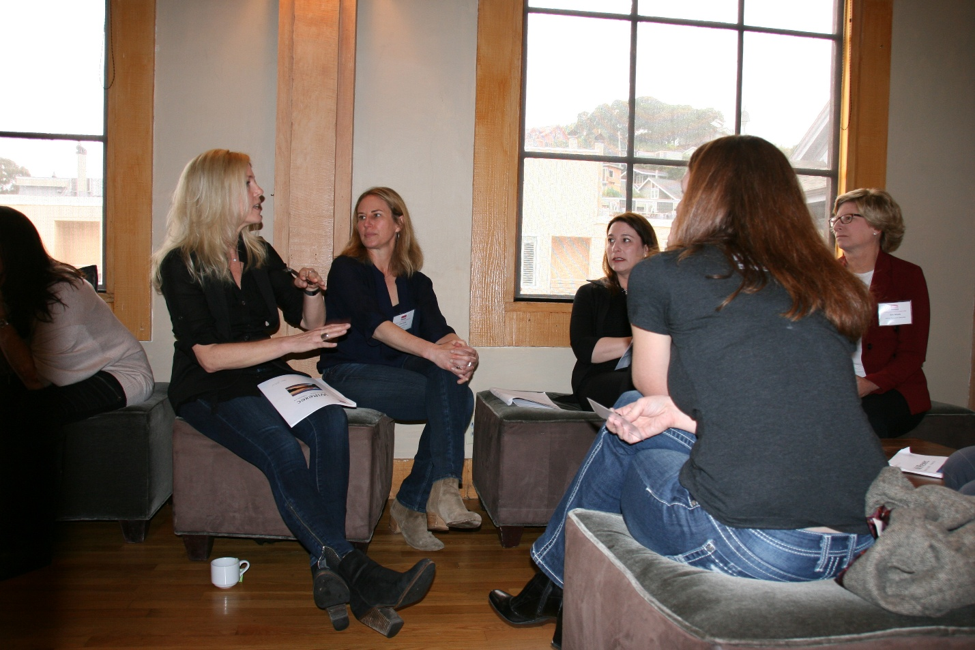
From reading psychology books and detective stories as a child to founding a research consultancy dedicated to understanding people’s financial lives, Lilah Raynor has built her career around one enduring question: what makes people tick?
As Founder and CEO of Logica Research, Lilah has spent her career exploring human behaviour, decision-making and the relationship people have with money. Today, her firm helps financial services companies, fintechs and other organisations translate those insights into better products, communications and customer experiences. Logica is also behind the long-running Future of Money Study, with its thought leadership research featured in leading media outlets around the world.
In this edition of How Did You Get There?, Lilah reflects on leaving academia, navigating the dot-com crash and the financial crisis, and the relationships that have shaped her career. She shares why curiosity and empathy remain essential qualities for researchers, and why, regardless of how AI transforms our industry, our greatest value will always come from turning a deeper understanding of people into meaningful action.
Every career has a beginning. Looking back, what first drew you into the world of research, insights, data or analytics, and what were the key moments that shaped the journey to where you are today?
I have always been curious about what makes people tick: what drives them to make the decisions they make, behave the way they do, and create the relationships they create. This started super early, reading mysteries and psychology as a kid. (Yes, I read early psychological texts along with Harriet the Spy, Sherlock Holmes, and the other classics.)
That curiosity led me to study psychology at the University of Michigan and work at the Institute for Social Research, where I was exposed to research methods, and then on to graduate school at the University of California. A pivotal moment came in graduate school when I realized I didn’t want to be an academic. It was too slow and, well… academic. I earned my master’s degree and took a job at a boutique research firm specializing in commercial real estate. From there, I was recruited by Charles Schwab. At Schwab, I became deeply interested in how people think about and manage money. I’ve carried that interest forward as the foundation of Logica’s mission: providing insights that help improve people’s financial lives.

Most successful careers include a few pivotal decisions or turning points. Which moments changed the trajectory of yours, and why?
There were several pivotal points for me. One was deciding to pursue a career in research coming out of college. I knew I was interested in human psychology and decision-making, but at the time, I hadn’t yet been exposed to marketing research as a career. I came from a family of teachers and academics, so academia seemed like the natural path.
In graduate school, I realized I wanted to apply research to real-life situations and have a more immediate impact. Through conversations with friends and family, I learned about marketing research. Leaving academia to apply research in the real world was one of the best decisions I made.
At Charles Schwab, I was able to apply my research skills while learning a tremendous amount about corporate-side research and enterprise-level business strategy. Then I took another leap: leaving Schwab and starting Logica Research (originally Koski Research). That gave me the opportunity to provide high-quality research to a range of companies, helping them drive growth while improving people’s financial lives.
Careers rarely follow a straight line. Can you share a setback, failure or particularly difficult period or challenge that taught you something important and still influences how you lead today?
I love that you are asking this question. For people who are early in their careers right now, professional life can feel like a series of clear steps: accomplish the first one, move to the next, and then the next, as though a career is a linear path. The truth is that there will always be events you don’t anticipate and can’t plan for.
I was relatively early in my career when the first dot-com boom, and then bust, hit. No sooner had we gotten through that than the 2008 financial crisis arrived. During the first, I was on the corporate side and endured endless rounds of layoffs. During the second, I was managing my own business. In both cases, projects were canceled, people were impacted, and plans were set aside. Many of us experienced some version of this again when COVID hit.
What I learned from those moments, and what I try to carry into the way I lead today, is that relationships with people matter most. Difficult periods have prompted me to connect more, build community, and focus on doing the best work we can in the situation we are in.
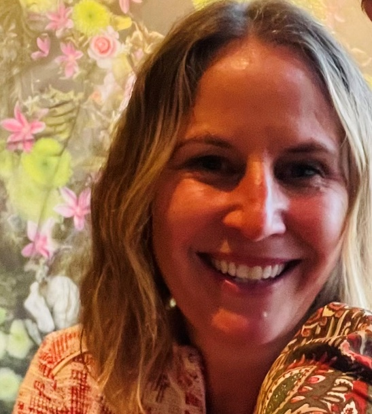
What has kept you in this industry? After all these years, what still excites, challenges or motivates you to come back each day?
I still love understanding what makes people tick. And I love bringing that together with finding solutions for clients, whether it’s designing a study, asking the right questions, delivering insights, or leading and growing Logica. Every day is different and interesting.
Thinking back to your first five years in the profession, what do you know now that you wish you’d known then?
You actually don’t need to know how to fax something. Seriously, some of the things that seem incredibly important when you are early in your career turn out not to be. The world has absolutely transformed since I started working, and the big lesson is that it will continue to transform, at an even faster rate. What remains constant is people. I’m grateful for the connections I made early in my career, even though I didn’t realize at the time how significant they would become.
If you were mentoring someone entering the industry today, what are the two or three qualities, behaviors or mindsets you would encourage them to develop above all others?
I’m going to make a plug here for the WiRE mentorship program. I have had the privilege of mentoring a number of people, and there are two qualities I keep coming back to. The first is curiosity. Ask questions. Learn the subject. Understand how things work and what matters most to people, whether that’s your boss, your colleague, or your target market. The second is empathy. It’s an essential quality for researchers, and it’s equally essential to functioning well within any organization.
No one succeeds alone. Who has had a meaningful impact on your career that you’d like to thank, acknowledge or shine a light on, and what did they teach you?
There are so many people. I would like to thank everyone who has been on my team over the years. I have learned from every single person, and they have made it possible to deliver great work to clients. I would like to thank my clients, and especially my first client on one of the thought leadership studies we have now conducted for twenty years. I am so grateful that they trusted us with this initiative and that it has had such a lasting impact. And I would like to thank my research community friends, many of whom I met through research organizations like WiRE, the Insights Association, and MRC.
I would like to shine a light on John Gilfeather, who just won the MRC Lifetime Achievement Award. John worked with me at Logica for a number of years, and I learned so much from him. He helped us sharpen our thought leadership research skills, and we were able to come up with creative ideas for measuring brand engagement. And he is fun, which matters!
Looking ahead, what advice would you give to our industry? What needs to change, improve or evolve if we are to remain relevant, influential and impactful in the years ahead?
My view is that we have two primary roles to play as researchers. How we perform these roles will change and evolve over time as research execution changes with technology (yes, AI). The roles themselves are foundational.
The first is to be the voice of the market: the voice of customers and prospects. Our job is to help clients truly understand what their market needs, how to meet those needs, and how to communicate in ways that resonate.
The second is to translate that market voice into action. Insights alone aren’t enough. We need to help turn what we learn into solutions that move companies forward while meeting the needs of the people they serve.
Technology will continue to change how we do research. Our value comes from staying focused on why we do it.