30Under30 Nominee: Thea Baker

Great to hear from Global 30 Under 30 Nominee, Thea Baker, a Senior Research Executive at FlexMR, based in Surrey, although their office is in Cumbria, which makes for a fun five-hour commute each month! Thea manages quantitative and qualitative projects from end to end, covering everything from research design to fieldwork, analysis and reporting. Outside of work, you’ll often find Thea competing on the badminton court or travelling somewhere new to immerse herself in a different culture.
How did you find your way into research, data and insights?
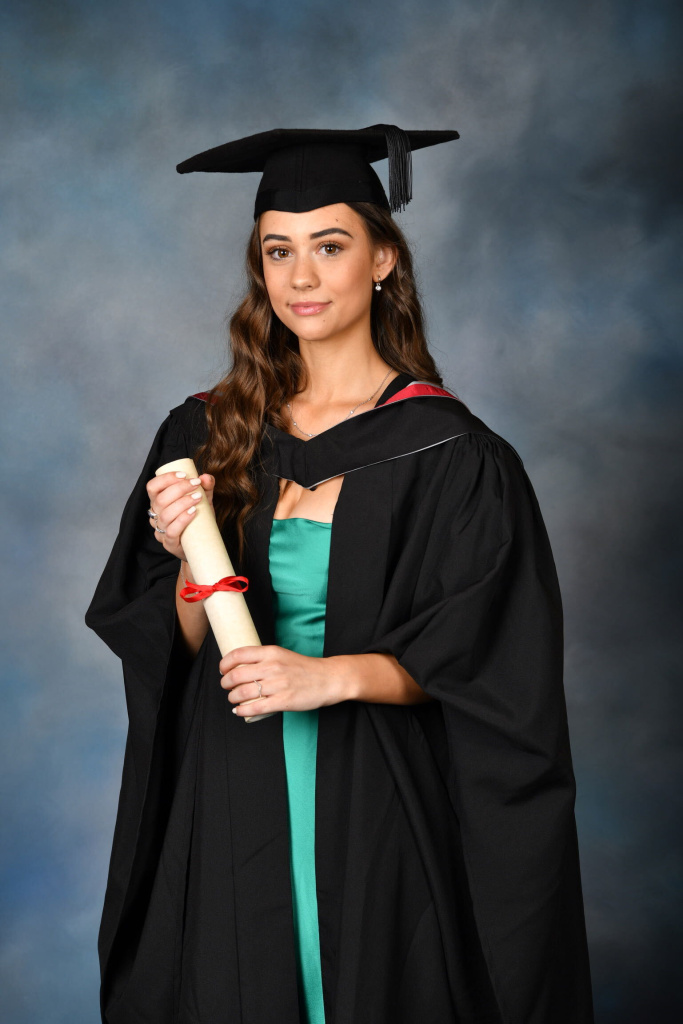
I’ve always been fascinated by why people behave as they do and how businesses respond to changing customer needs. That curiosity led me to study Marketing with Psychology at Lancaster University, where I first encountered quantitative and qualitative research. Ironically, those were the modules I enjoyed least at the time, proof that careers do not always begin with an obvious lightbulb moment!
After graduating, work experience at a semiotics agency in London showed me how culture, behaviour and commercial decisions connect, and confirmed that insights was where I wanted to build my career. I then joined FlexMR as a Research Executive and have recently progressed to Senior Research Executive, working across varied clients and methodologies while continuing to learn with every project.
What part of your work are you most proud of and why?
There are many things I am proud of in my career, but I am most proud of the continuous user-experience testing that I have led for an international cruise company, especially the direct difference it has made on those with accessibility requirements.
Early on in the interviews, I realised there was a whole community of passengers whose needs required particular consideration. Those with accessibility needs, including wheelchair users and people concerned about managing medication while travelling. Speaking with them directly gave me a much deeper understanding of the practical challenges and anxieties they faced and allowed me to explore how the experience could be made more accessible, supportive and reassuring.
It shifted my perspective: good UX research is not simply about making an app easy for the majority to use, but about recognising the people that thoughtful design can make the biggest difference for.
From that point on, I made sure those needs were incorporated throughout every round of testing, so accessibility was not treated as a final check but kept front of mind from the beginning. Seeing that insight shape a more inclusive and reassuring experience reminded me that research is at its most powerful when it helps ensure no one is overlooked.
What have you learned so far that you wish you’d known when you started your career?
Question everything. Especially the brief.
I wish I had known how important it is to challenge assumptions and look beyond what is immediately in front of you. In market research, the brief is a starting point, not necessarily the whole story. Some of the most valuable insights come from asking the extra question, digging a little deeper, and being curious enough to explore what the data might be telling us beyond the obvious. I have also learned that it is just as important to question our own interpretations as it is to question the findings themselves. After all, the best research doesn’t simply confirm what we already think we know, it challenges us to see things differently.

What excites you most about the future of insights and what would you like to help change?
What excites me most about the future of insights is the opportunity to deepen our understanding of people and what really drives their behaviour. AI can help us spot patterns and make connections at a scale we could not before, but I believe its real value lies in giving researchers more space to ask better questions, not simply produce faster answers. I love how research can challenge assumptions, uncover unexpected perspectives and change the way businesses think.
I’d like to help make insights more influential, so the customer remains at the heart of decisions even when the insights team or customer isn’t in the room. To me, success is when businesses don’t just listen to the customer during a presentation but instinctively consider their perspective in every decision they make. I think my generation can help drive this by challenging established thinking, asking better questions and keeping the human perspective at the centre of business.

What advice would you give someone just starting out in the industry today?
Take every opportunity you can! Volunteer for the project, speak up in the meeting and ask the question you worry might be obvious. Someone else is probably wondering the same thing. Embrace both numbers and conversations, because the strongest researchers can move between evidence and empathy. Most importantly, stay curious and worry less about knowing everything from day one. Confidence grows by getting involved, making mistakes and learning from the people around you.
Who has helped you along the way?
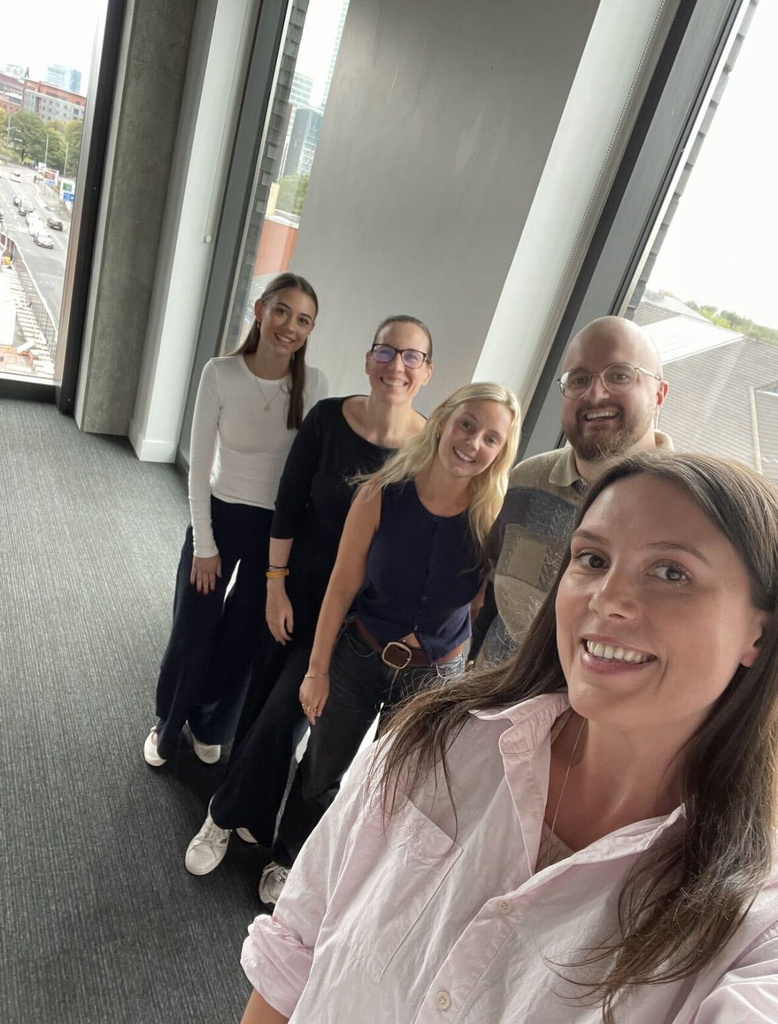
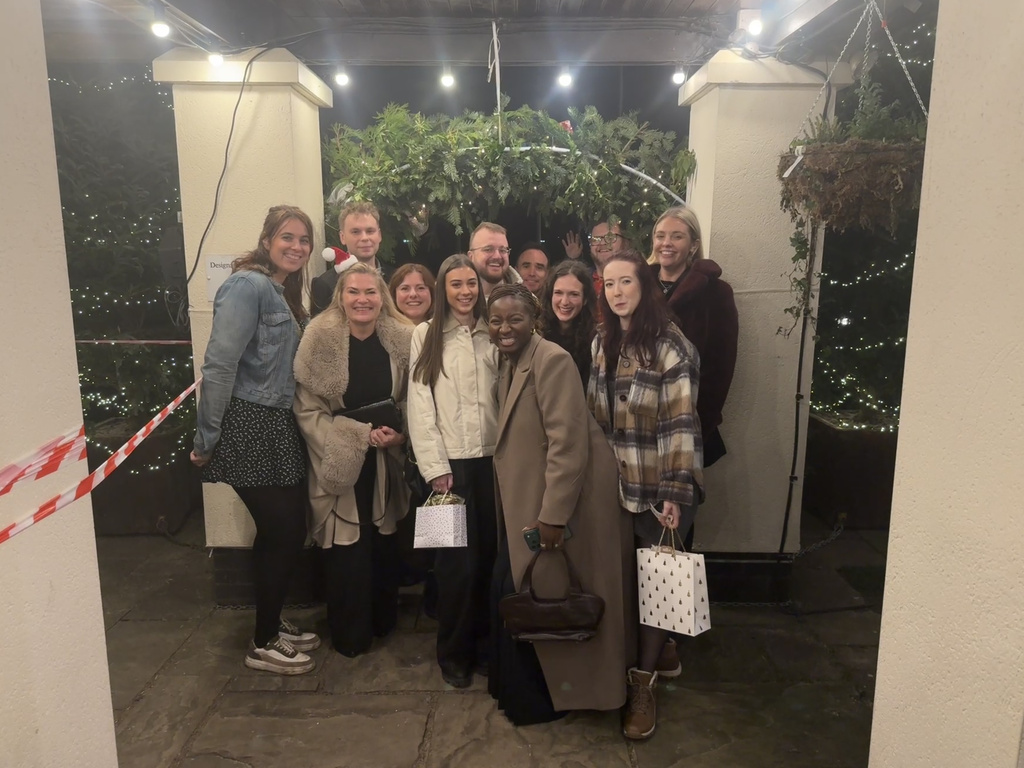
I’m fortunate to have many people who have encouraged and challenged me along the way: lecturers who kept inspiring my curiosity, friends and family who have always pushed me to believe in myself, and the whole FlexMR team, whose support has made the start of my career so positive.
I owe particular thanks to my line manager, Gareth Bowden. From my first day, he has created an uplifting environment in which I feel trusted to stretch myself, learn from mistakes and take on new challenges. His support has played a huge part in the researcher I am becoming.