30 Under 30 Nominee: Stassy Carr
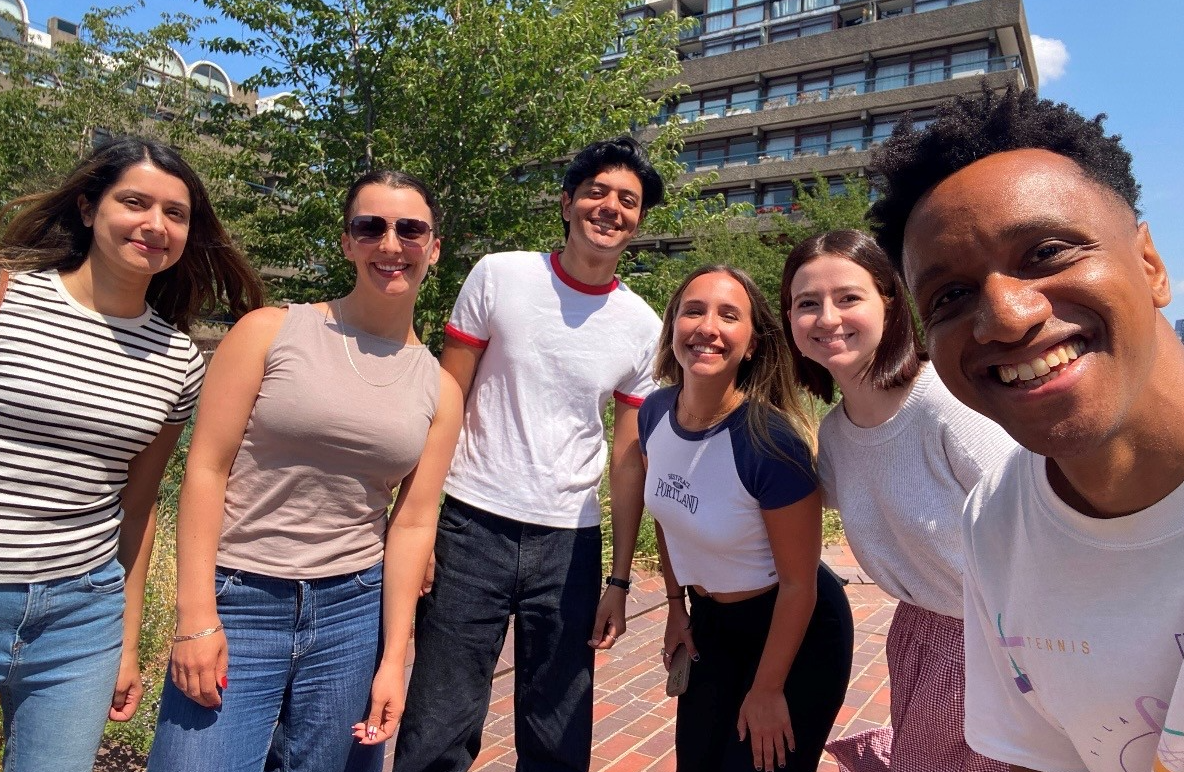
Our latest 2026 Global 30 Under 30 nominee is Stassy Carr, a Senior Research Executive at Opinium with a passion for understanding people, championing inclusive research and ensuring that real human experiences remain at the heart of decision-making. Based in London, Stassy is a mixed-methods researcher whose career has taken her from public sector research into brand and communications. With a background in anthropology and a love of exploring different cultures, she brings a natural curiosity about people and society to her work. She’s particularly passionate about combining quantitative and qualitative approaches and finding ways to involve people more directly in the research process.
We caught up with Stassy to discuss the British Council project that helped shape her approach to research, why junior researchers should never underestimate the value of their ideas, the growing importance of human connection in an AI-driven world and the female leaders who have inspired her career.
Tell us a little about yourself.
I’m Stassy, a Senior Research Executive at Opinium, based in our London office in Farringdon. I’m a mixed-methods researcher, working across both quantitative and qualitative projects for a range of clients. Earlier in my career, I mainly focused on public sector research, but this year I moved into a more brand and communications-focused role. It’s been a really exciting opportunity to broaden my experience and work on a different mix of projects.

How did you find your way into research, data and insights?
Like many 18-year-olds, I wasn’t entirely sure what I wanted to do when I left school. Rather than going straight to university, I decided to take a couple of years out to travel. I started by interrailing around Europe and then travelled around South-East Asia. During that time, I discovered just how curious I was about people, cultures and the way societies work. Looking back, I was doing a bit of qualitative research without even realising it! I spent hours talking to people, hearing their stories and learning from different perspectives.
It was during my travels that I decided I wanted to come back and study anthropology at university. Throughout my degree, that curiosity only grew stronger. I loved the research process and learning more about people and the complexities of human behaviour. By the time I graduated, pursuing a career in research felt like an exciting next step. It gave me the opportunity to keep asking questions, learning and understanding the world around me.
What part of your work are you most proud of so far, and why?
One project I’m particularly proud of, and one that continues to shape the way I think about research, was a published study I worked on for the British Council in 2024. The project explored how young people are navigating the changing landscape of the UK today, with a particular focus on regional divides and how experiences differ depending on where people live. It was a really eye-opening piece of work and gave me a much deeper understanding of the diversity of perspectives that exist across the country. I also had the opportunity to present our findings at a British Council company-wide conference. We heard from their research team about how the findings had gone on to inform policy discussions, particularly in Scotland. It was incredibly rewarding to see the research having a tangible impact and being used in a real-world context.
One of the biggest things I took away from the project was just how powerful the integration of quantitative and qualitative research can be. Bringing together the scale and robustness of quant with the depth and context of qual created a much richer understanding of people’s experiences. It’s something I’m really passionate about and a principle I continue to bring into my work.
We also worked with peer researchers, who helped shape the discussion guides and questionnaires and even co-moderated some of the focus groups. It’s an approach I feel particularly strongly about because it helps ground research in real-world experiences, reduces researcher bias and gives people the opportunity to be involved in the research process itself, rather than simply participating in it.
Since joining Opinium, peer research has become a methodology I’ve spoken about a lot with colleagues. I’m excited to explore how we can build more of these approaches into our future work, helping us create research that is not only rigorous, but also more inclusive and representative of the people whose experiences we’re trying to understand.
What have you learned so far that you wish you’d known when you started your career?
My biggest lesson would be to never be afraid to speak up and share your ideas. When you’re more junior in your career, it’s easy to feel like your voice is the least important in the room, but that’s rarely the case. Some of the people who have influenced me most have actually been more junior than me. I’ve learned so much from them, whether that’s through their ideas, the way they present or the different perspectives they bring. Great ideas can come from anywhere.
Don’t worry if an idea isn’t fully formed or perfect. Often, it’s those early ideas that spark the most interesting conversations and lead to deeper thinking. Be confident in what you have to say, contribute to the discussion and trust that your perspective has value. In my experience, colleagues at all levels are often incredibly open to listening to ideas from others and genuinely appreciate different perspectives.
What excites you most about the future of insights, and what would you like to help change?
We’re living in a time when conversations about AI are everywhere. There’s constant debate about how industries will evolve, what work will look like in the future and even which jobs will still exist in ten years’ time. Against that backdrop, I think research has never been more important. And I believe qualitative research, in particular, has a real opportunity to shine.
Today, people can come across a video, image or piece of content online and have no way of knowing whether it’s real, AI-generated, heavily edited or taken out of context. As our digital world becomes more complex, information can’t always be taken at face value, and trust is becoming harder to earn. That’s why brands, regulators, governments and organisations need to engage directly with real people to understand what they think, feel and experience. Some of the most meaningful insights come from genuine human conversations. In many ways, I think people are craving human connection more than ever. As technology continues to expand what’s possible, there’s an even greater need to stay grounded in real-life experiences and perspectives.
What excites me most is the role qualitative research can play in bringing people back to the centre of important discussions. Whether we’re trying to understand society, consumers or communities, the answers ultimately come from people themselves. For me, that represents a huge opportunity for our industry, not only to generate better insights, but to ensure that real human experiences and opinions remain at the heart of decision-making.

What advice would you give someone just starting out in the industry today?
Work on a variety of projects and methodologies, with different clients and project teams, and take as many opportunities as possible. The more variety you expose yourself to, the more you’ll learn, often without even realising it at the time. Every project, colleague and challenge teaches you something new, and those experiences gradually build on each other. One day, you suddenly notice that something which used to take you hours now feels like second nature, or that something which once made you really nervous no longer fazes you at all.
If you have the opportunity to do something outside your comfort zone, even if it feels daunting, do it. It can feel incredibly nerve-wracking in the moment, but those are often the experiences that teach you the most. In my experience, the biggest growth happens when you’re challenged, trying something new and stretching yourself beyond what feels comfortable.
Who has helped you along the way?
I’ve been fortunate to have two female leaders who have had a huge influence on my career.
The first is Carolyn Morden, Associate Director in the qualitative team at Opinium. Carolyn embodies what great leadership looks like. She’s confident, ambitious and incredibly knowledgeable, while also being one of the most approachable, funny and genuinely kind people I’ve had the pleasure of working with. From the moment I met her and she became my manager, I knew she would be someone I’d learn a great deal from. She continues to inspire me every day through the way she leads, supports others and brings out the best in those around her.
The second is Rachel Ditchfield, Associate Director of Market Intelligence at BPP. Rachel was my manager at my previous agency, and we worked closely together throughout my time there. She was there from the very beginning when I joined as a graduate, and consistently gave me opportunities to learn, grow and challenge myself. Her support, trust and leadership played a huge role in my development, and I’m incredibly grateful for everything I learned from working alongside her.
Both Carolyn and Rachel have shown me that great leadership is not just about expertise or experience. It’s about empowering others, creating opportunities and helping people believe in their own potential.