The human advantage
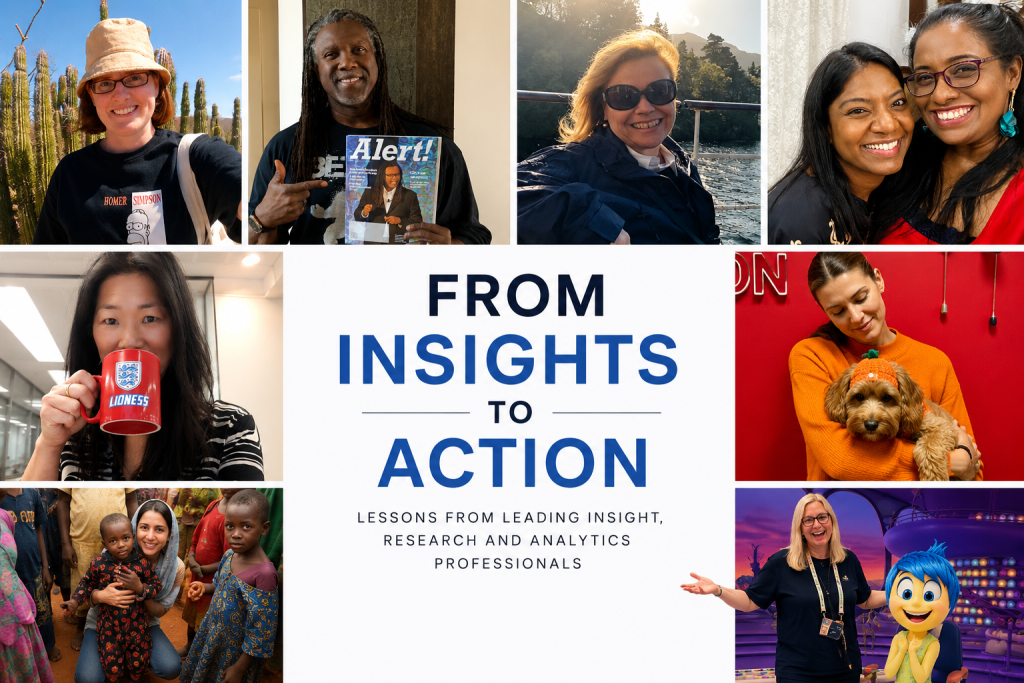
Over the years, the How did you get there? series has become a living library of career wisdom from some of the most respected leaders in insights, research, analytics and data. In this new series, we bring together the recurring lessons, advice and perspectives that emerged from those conversations, and explore what they mean for the rest of us.
If there is one lesson that echoes throughout the How did you get there? archive, it is this: People matter.
In an era increasingly shaped by artificial intelligence, automation and data abundance, many might assume the future belongs solely to technology. The leaders featured throughout this series disagree. Conversations with Sam Grey, Mike Holland, Tanya Pinto, Richard Asquith, Pallavi Dhall and many others reveal a different conclusion. Technology is transforming the industry, but human understanding remains the true differentiator.
Research has never simply been about gathering information. It has always been about understanding people. It is about uncovering motivations, emotions, fears, aspirations and behaviours. It is about helping organisations understand not just what people do, but why they do it.
Mike Holland repeatedly emphasises the importance of curiosity and understanding the human stories behind data. Sam Grey speaks about remaining focused on people rather than becoming distracted by technology alone. Tanya Pinto highlights the importance of empathy and perspective when helping organisations make better decisions.
That distinction is becoming increasingly important. Today, almost every organisation has access to vast amounts of information. Data has become democratised. Analytical tools are more powerful than ever. Yet having information is not the same as having understanding. The leaders who stand out are often those who can interpret complexity, challenge assumptions and connect information to real human experiences.
Richard Asquith reflects on the importance of communication and helping insights create action. Pallavi Dhall similarly highlights the need to connect understanding with meaningful business outcomes.
In many ways, the industry’s most valuable skills are becoming more human, not less. Judgement. Empathy. Storytelling. Communication. Creativity. These are capabilities technology can support, but not fully replace.
The future therefore does not belong to humans or machines. It belongs to those who can combine both.
The professionals who thrive will be the ones who embrace technology while continuing to develop the uniquely human skills that create trust, influence and understanding. Because behind every dashboard, every statistic and every trend sits something remarkably important. A person. And understanding people remains one of the most valuable skills any leader can possess.
From insight to action
Develop empathy alongside expertise. Understanding people creates competitive advantage.
Learn to explain, not just analyse. Great insights only matter when people act on them.
Build judgement. Information is everywhere; perspective is rare.
Use technology as an amplifier. Never let it replace your curiosity.