How did you get there? Nikki Darré
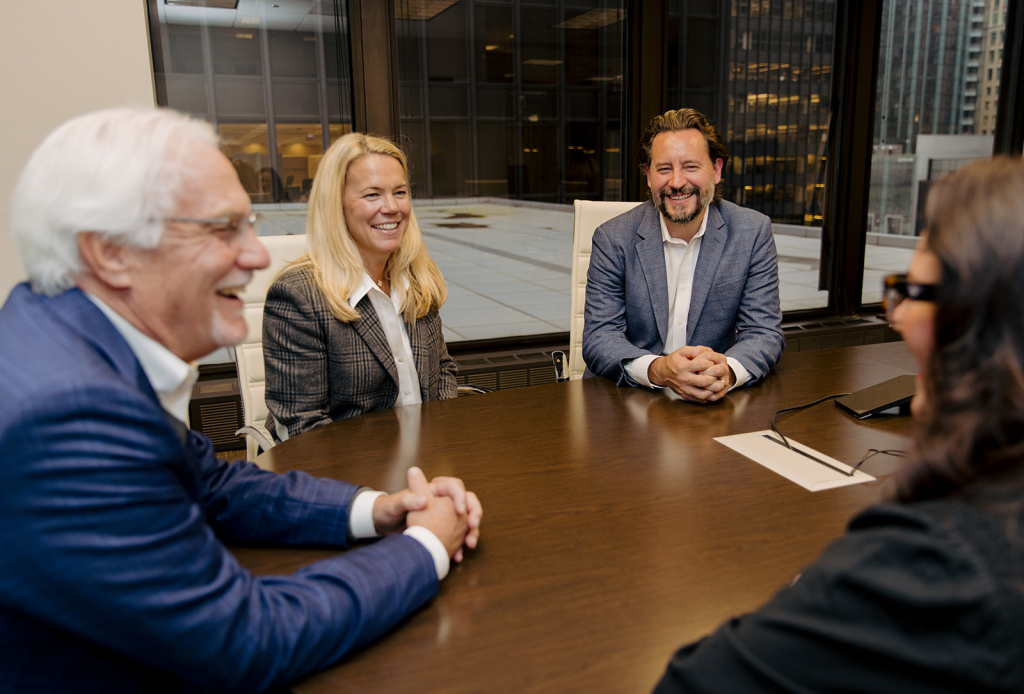
Great to hear from Nikki Darré, President of Fieldwork and a lifelong champion of the human side of research. Over the course of her career, Nikki has helped build and lead some of the industry’s most recognized research facilities, guided teams through periods of significant change, and remained passionate about creating the environments, experiences, and connections that make great insights possible.
Like many of us, you didn’t set out to work in research. Looking back, how did you first find your way into the industry, and what were the key moments that led you to where you are today?
Like many people in our industry, I found my way into research completely by accident.
I was temporarily living in Scottsdale, Arizona, when I answered a newspaper job advertisement and interviewed with Barbara Willens, one of the original presidents of Fieldwork. I got the job on the spot, despite having absolutely no idea what market research was. I had never participated in a focus group, read about one, or considered it as a career path. I was a British Literature major and had no plans of entering the insights industry.
I started as a Client Service Representative in a newly opened Scottsdale facility and immediately fell in love with the hospitality side of the business. I loved taking care of clients, creating great experiences, and being part of an environment where important conversations were happening. Before long, I became fascinated by the moderators and the research itself. I was convinced I wanted to become a moderator.
That ambition eventually took me to Chicago, where I joined Creative & Response Research, which owned Fieldwork at the time. I worked in field management and later as an analyst, supporting projects for major brands across the country. I traveled extensively, worked on everything from mall intercepts to large qualitative studies, and gained a much deeper appreciation for how research influences business decisions.
The turning point came when I was asked to move to Denver to help support the facility there. What I thought would be a temporary assignment became the foundation of my career. Shortly afterward, I became President of Fieldwork Denver, and that’s when I realized I wasn’t just interested in research itself. I was passionate about creating the environments, teams, and experiences that make great research possible.
One of my earliest “aha” moments came while supporting a pizza study. I was taking notes behind the mirror and watched a client team completely rethink their assumptions after hearing real consumers talk about something as simple as pizza crust. What started as one line of questioning evolved into something entirely different because they were listening, learning, and adapting in real time. Watching that happen showed me the true power of qualitative research. It was the moment I understood that insights are often found in the unexpected.
That idea of helping people see something they hadn’t seen before is a powerful one. What has kept you in the industry all these years, and what still excites you about it today?
Without question, it’s the people.
First, it’s the people I work with. Fieldwork has always been full of incredibly talented, passionate, and resilient people. Many of the relationships I’ve built over the years have become lifelong friendships.
Second, it’s the people we help our clients connect with. At its core, our business is about finding the right people and creating opportunities for meaningful conversations. No matter how much technology changes, organizations still need to understand the humans they serve.
What has also kept me engaged is watching the industry evolve. Over the years, we’ve been told that video conferencing would replace us, that the internet would replace us, that social media would replace us, and more recently that AI will replace us. Yet the industry continues to adapt.
We’ve evolved from traditional focus groups into usability testing, human factors research, medical device studies, simulated healthcare environments, mock juries, and countless other applications. We’ve built facilities that look less like conference centers and more like living rooms, kitchens, hospitals, and real-world environments.
The methods may change, but the need to understand people remains constant. That’s what continues to excite me.
You’ve seen the industry evolve through enormous change. Was there a setback, failure, or particularly difficult period that taught you something important and still influences how you lead today?
Like many leaders, COVID was the most significant challenge I’ve experienced professionally.
We were an in-person company built around bringing people together. Suddenly, that became impossible. We had facilities across the country, employees working remotely, and a great deal of uncertainty about what the future would look like.
What that experience taught me is the importance of adaptability and connection.
One of Fieldwork’s strengths has always been our willingness to experiment. Throughout my career, we’ve tested new recruiting methods, new technologies, new ways of organizing teams, and new operational approaches. Not every idea worked. In fact, many didn’t. But every failure taught us something valuable and made us more prepared for whatever came next.
That mindset became incredibly important during COVID. We had to adapt quickly, expand our virtual capabilities, rethink how we worked, and find new ways to stay connected as a company.
Ironically, one of the biggest lessons from that period was that while physical distance can separate people, it doesn’t have to weaken relationships. We emerged more connected as an organization because we intentionally invested in communication, collaboration, and supporting one another.
Today, I lead with the belief that resilience comes from people, not processes. Processes matter, but strong teams and strong relationships are what help organizations navigate uncertainty.
That’s a lesson many leaders would recognize. If you could go back and speak to your younger self during those first few years in the industry, what advice would you give?
I would tell myself that you don’t need to have all the answers.
Early in my career, I thought expertise meant knowing everything. What I’ve learned is that success in this industry comes from curiosity, not certainty.
The best researchers, recruiters, moderators, and leaders remain open to being surprised. They ask questions, listen carefully, and stay curious about how people think and behave.
I would also tell myself that this industry is constantly evolving. The tools and technologies will continue to change. The people who thrive are the ones who remain adaptable and willing to learn.
Most importantly, I would remind myself that human understanding is the foundation of everything we do. Technologies come and go, but the need to connect with real people and understand their experiences never disappears.
For someone starting out today, what skills, behaviors, or mindsets do you believe matter most?
Curiosity. Great insights begin with genuine curiosity about people. You have to enjoy asking questions and exploring perspectives that may be very different from your own.
Adaptability. This industry changes constantly. New technologies, new methodologies, and new client expectations require people who can evolve and remain open-minded.
A willingness to take risks and learn from failure. Some of the best lessons in my career came from initiatives that didn’t work as planned. If you’re willing to experiment, learn, and keep moving forward, those experiences become valuable assets rather than setbacks.
Looking ahead, our industry is facing another period of rapid change. What advice would you give the sector, and what needs to evolve if we are to remain relevant and impactful in the years ahead?
We need to embrace technology without losing sight of the human element.
AI is already changing our industry, and it will continue to do so. The organizations and professionals who learn how to use these tools effectively will have a significant advantage.
At the same time, we need to be thoughtful about where technology helps and where human interaction remains essential.
The future isn’t a choice between technology and people. It’s about understanding how to combine the strengths of both.
As an industry, we also need to get better at communicating the value of authentic human connection. Whether research happens face-to-face or through a screen, there is still enormous value in speaking directly with real people, observing behavior, asking follow-up questions, and understanding context.
The smartest organizations will be the ones that use technology to enhance human understanding, not replace it.
Finally, one of the themes that comes up time and again in this series is the role other people play in our success. Who has had a meaningful impact on your career that you’d like to thank or shine a light on?
I’m fortunate to have worked alongside many people who shaped my career.
Steve Raebel and Amy Gorlewski were among the first leaders who saw potential in me before I fully saw it in myself. They trusted me with opportunities that stretched me beyond my comfort zone and continued to mentor and support me throughout my career.
I would also recognize Sarah Kotva and Carlos Martinez. We’ve spent years growing together professionally, taking on new challenges, and helping shape what Fieldwork is today. We each carved our own paths, and today we have the privilege of leading the company together.
Perhaps the greatest gift of a long career is getting to work alongside people you genuinely admire. I feel incredibly fortunate that many of the people who influenced me most are still part of my professional life today.