Empathy in Insight: The Role of Storytelling
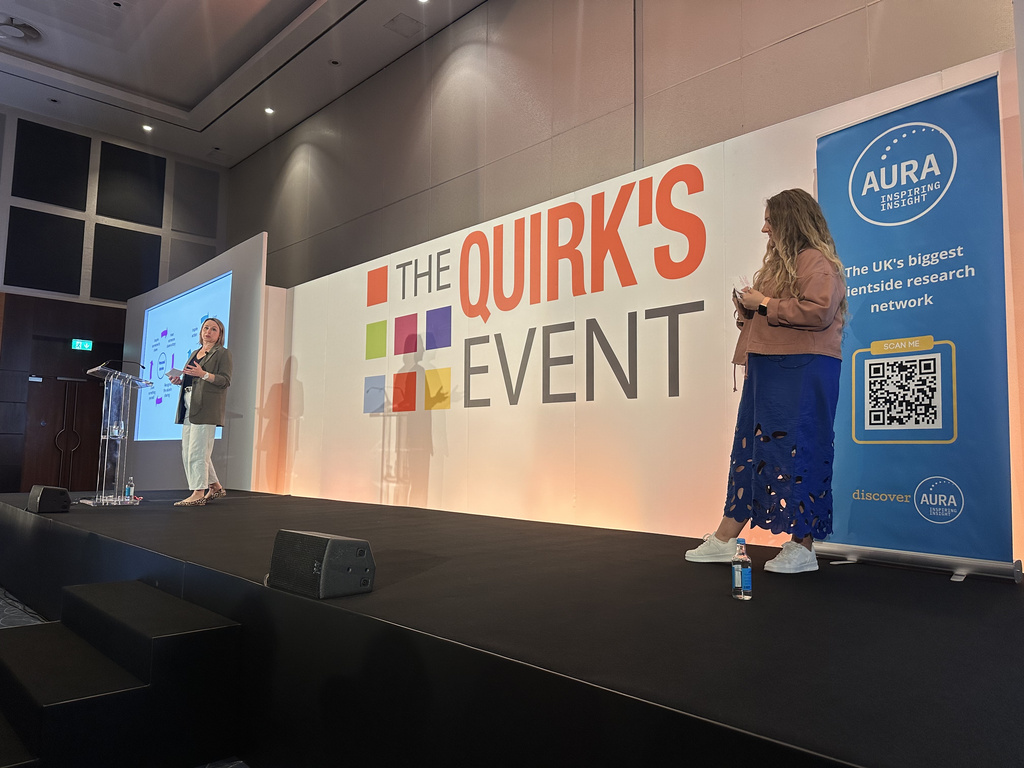
In The Empathy Exchange, Clare Woodward and Suzanne Martin are exploring why empathy matters so much to the future of insight. Having begun by asking whether we are reaching a critical point for empathy, this week they turn to storytelling, not simply as a way to communicate insight, but as one of the most powerful ways we connect with and understand experiences beyond our own. Why do stories create empathy, and how can researchers harness that power responsibly?
Welcome to the second instalment of The Empathy Exchange.
In our first article in our series on empathy in insight, we highlighted the importance of empathy in insight, in this article we examine the role of storytelling in helping build empathy and why stories are so effective at creating connection.
Think about the last piece of research that stayed with you. Chances are that you remember more than a statistic. You remember a personal story, something that challenged your perceptions, a moment or an experience that created an emotional connection and made the finding matter.
This is not another resource on structuring an insight presentation or telling stories with insight. Instead, it looks beneath the techniques to consider why stories help people connect in the first place, and why that matters for researchers.
Storytelling is a fundamental part of being human. Across cultures and throughout history, stories have helped people pass on knowledge, make sense of experiences and communicate shared values. They do not simply describe events; they help us interpret them. Through stories, we begin to understand how another person sees the world, making storytelling one of the most powerful tools for building human connection.
Stories are powerful, and storytelling is not simply narrative. It’s an opportunity to communicate emotions, values, desires and fears, in a way that resonates and remains memorable. Good stories allow the listener to position themselves within them – to see their relevance, and then to play forward a narrative about their possible role in the story. Good personal stories help to build empathy and encourage understanding.
For insight professionals, this matters because our work depends on understanding experiences that are not our own. We use elements of storytelling in the work we do even when we’re not thinking specifically about a ‘story’.
Take focus groups. It’s crucial for us to build connection with our respondents and for them to bond quickly as a group. And how do we do that? We ask them to share something personal about themselves. These opening questions invite participants to share something of their experience on their own terms. In doing so, people begin to see one another not simply as respondents around a table, but as individuals with different histories, priorities and points of view. Whilst sometimes dismissed as routine, icebreakers and opening questions play an important role in allowing individuals to quickly establish a sense of familiarity with one another – they share, and they listen to others share.
We use stories all the time in insight to create connection and impact. A statistic can describe the scale of an issue. A customer’s own words can reveal what that issue means in everyday life. Used together, they help an audience understand both the evidence and the human experience behind it.
Customer quotes, video clips and lived experiences can help bridge the distance that often exists between organisations and the people they serve. They bring evidence to life, helping stakeholders not only understand the finding, but also connect with its human significance.
But qualitative outputs do not automatically create empathy. They are selected and framed by researchers. The responsibility, of course, is to use stories with care.
The story should illuminate the evidence, not replace it.
Storytelling builds empathy because it helps us move from knowing something about another person to recognising something of their experience. For researchers, that matters twice over: it can deepen the connections through which insight is created, and it can strengthen the connections through which insight creates change.
But its value extends beyond research outputs. The same storytelling skills that help us understand customers can also help us understand one another. They create connection, strengthen relationships and foster trust. If we take the skills of storytelling as a way to build empathy and translate it into how we interact with each other within our teams and across the industry, we can become better colleagues, create better experiences and ultimately do better work.
In the next article, we’ll explore the next step in the chain. If storytelling helps create empathy, then empathy can create something equally valuable: a sense of belonging. We’ll explore why those human connections matter so much, how empathy plays a vital role in creating belonging, and why belonging is essential for individuals, teams, and the wider insight profession.
About the Authors:
Clare is an experienced clientside researcher who has worked across customer experience, B2B, and B2C insight. She is passionate about inclusion, with a focus on ensuring research and the research industry are inclusive across both practices and culture. Clare is the original author of the MRS Clientside EDI Best Practice guides, first published in May 2022, and the author of the MRS AI Clientside Best Practices guidelines published in July 2025. Clare frequently speaks at events and conferences, and is a Fellow of the Market Research Society.
Suzanne has built her career helping organisations drive meaningful change through insight. With experience across both agency and clientside insight roles in financial services, retail and telecommunications, she specialises in connecting customer understanding with business action to shape strategy, improve experiences and support better decision making. Suzanne is particularly interested in how organisations can build stronger connections with customers, colleagues and stakeholders.