30Under30 Nominee: Rohit Sood
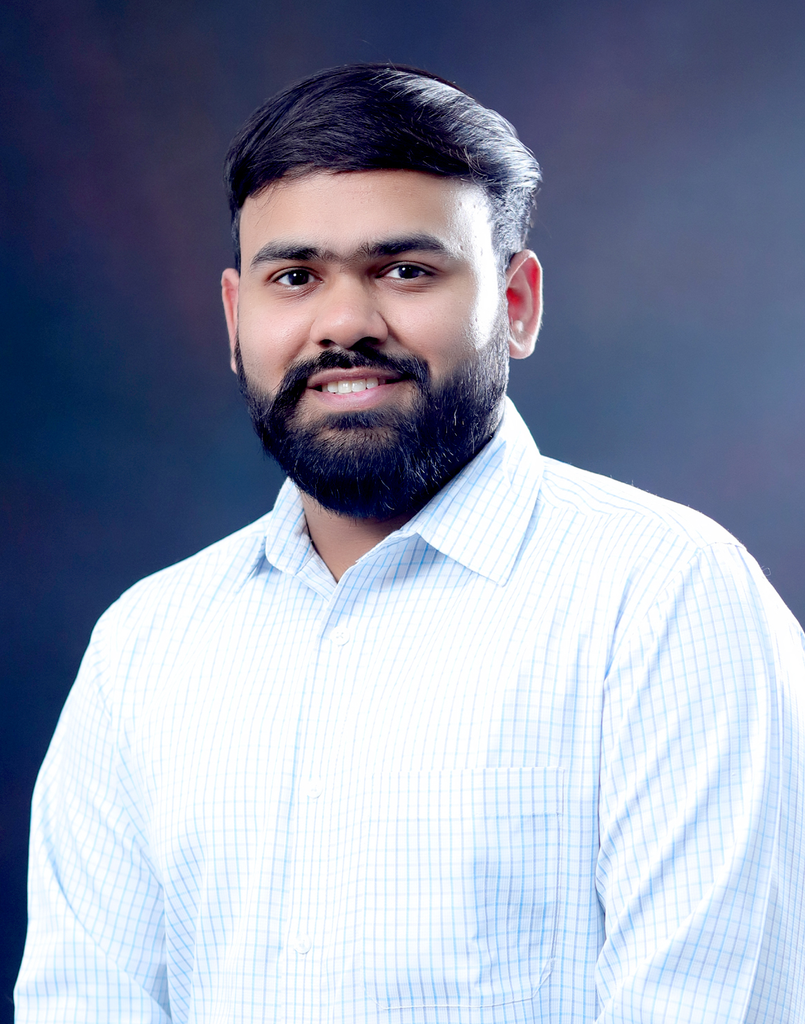
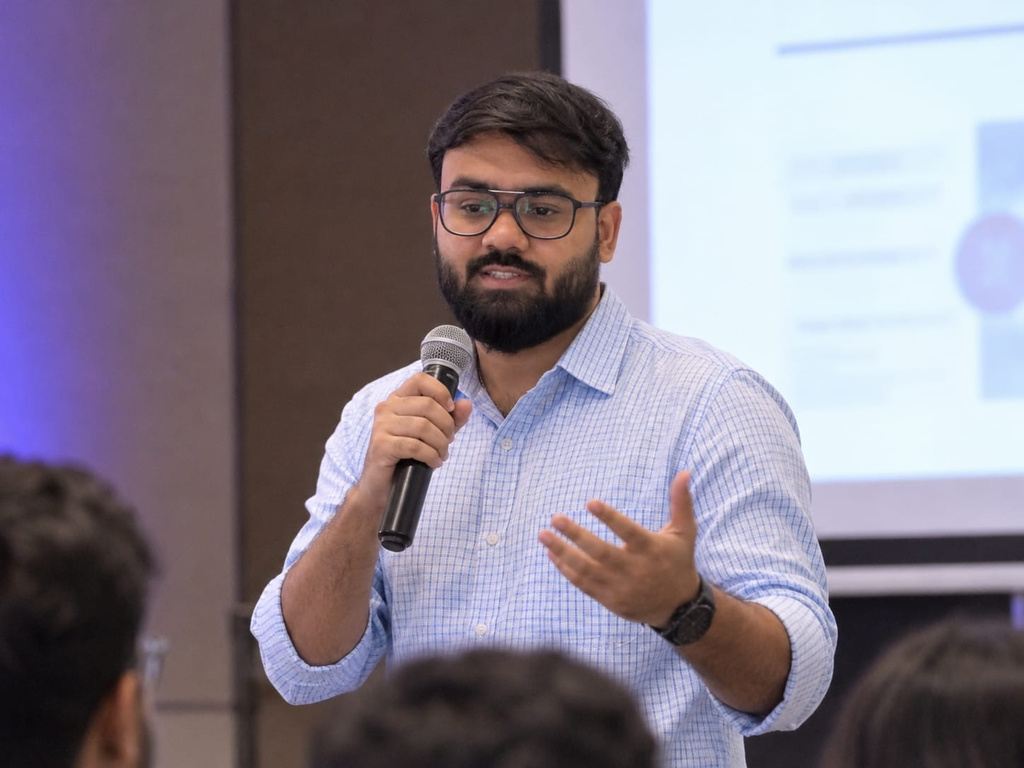
Great to hear from Global 30 Under 30 Nominee, Rohit Sood, who is currently working as Director of Field Operations at InnovateMR and is based in Delhi NCR, India. Rohit oversees fieldwork operations for clients across the EMEA region, supporting them right from the proposal stage by assessing feasibility, recommending the right research methodologies to reach their target audiences and ensuring the delivery of even the most complex research projects without compromising on quality or timelines.
How did you find your way into research, data and insights?
Honestly, my interest in research started much earlier than I even knew about the market research industry. When I was in ninth grade, our social science teacher asked us to prepare a project on a social cause and suggest how we could make a difference. I chose children’s education in rural areas.
I remember spending hours online reading research papers, looking at stats and learning about initiatives taken by NGOs and the government. I prepared a report highlighting the challenges and suggesting ways to spread awareness about education and government welfare schemes in nearby rural communities. I genuinely enjoyed the process of researching a problem and thinking about how that information could help people and change their lives. I didn’t know it then, but I was already doing secondary research! To my surprise, I won an award for the report, and the project was selected as one of the best projects for that year.
A few years later, during college, I started participating in surveys through Google Opinion Rewards. That was when I began to understand how businesses use consumer feedback to make decisions and improve their products and services.
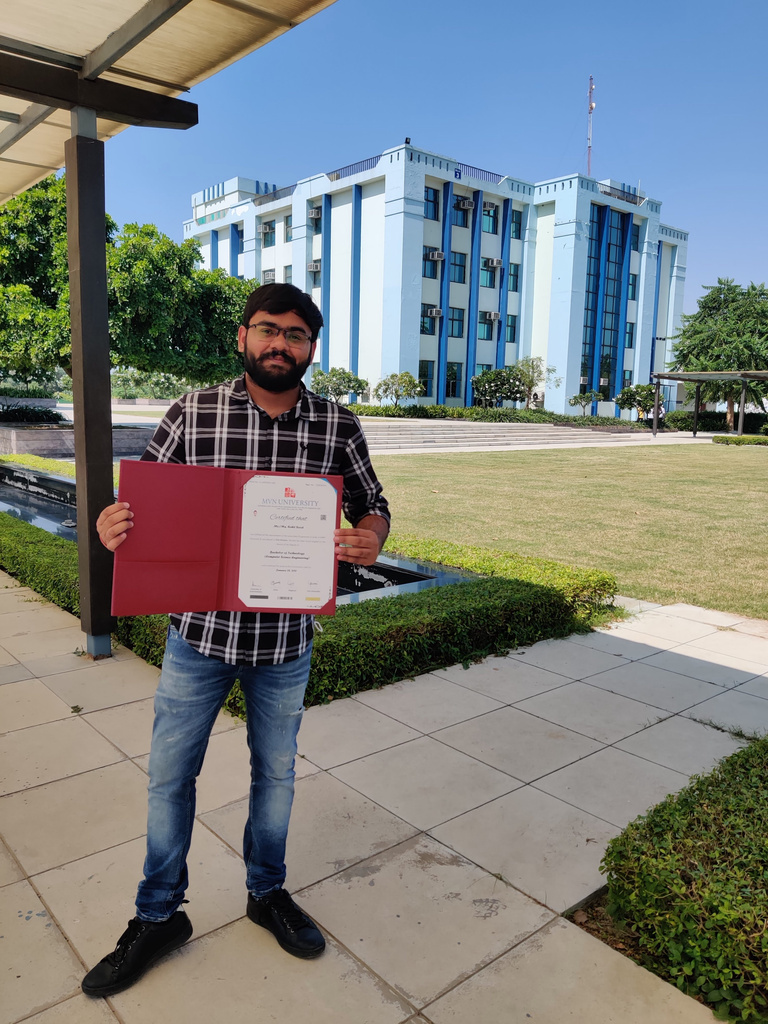
The real turning point came during my pre-final year of engineering when I came across an internship opportunity at an offline market research company. The moment I saw “Market Research”, I knew I wanted to give it a try even though I was studying CSE. I started working on some really interesting projects, from collecting voice data to train AI systems for major automotive brands to mystery shopping for FMCG companies and airlines. I loved the variety of work and knowing that what we were doing was helping clients make better decisions and train their systems (Voice ML), which would eventually help the general consumers.
About a year into my career, COVID hit, and offline research was badly affected. That could have been a setback, but it opened another door for me. I joined Schlesinger Group (now Sago), where I got the opportunity to learn about online research methodologies and explore a completely different side of the industry. It’s been four years since I joined InnovateMR, and looking back, I’m glad I followed that curiosity I had as a school student. People often say that when you love what you do, work doesn’t really feel like work, and I can relate to that. I’ve gone from being a curious student interested in research to an intern and to managing global research projects. Even on the most challenging days, I still enjoy what I do, and I think that’s what has kept me going.
What part of your work are you most proud of and why?
One of the things I’m most proud of is being involved in healthcare research, where we’re trying to reach patients with rare or complex medical conditions.
Some of these projects have been incredibly challenging, but it feels great to know that we’re helping clients better understand patients and their experiences and treatment needs. Knowing that the research we’re supporting could eventually help in making a difference in the lives of thousands of patients around the world is a feeling which is difficult to put into words.
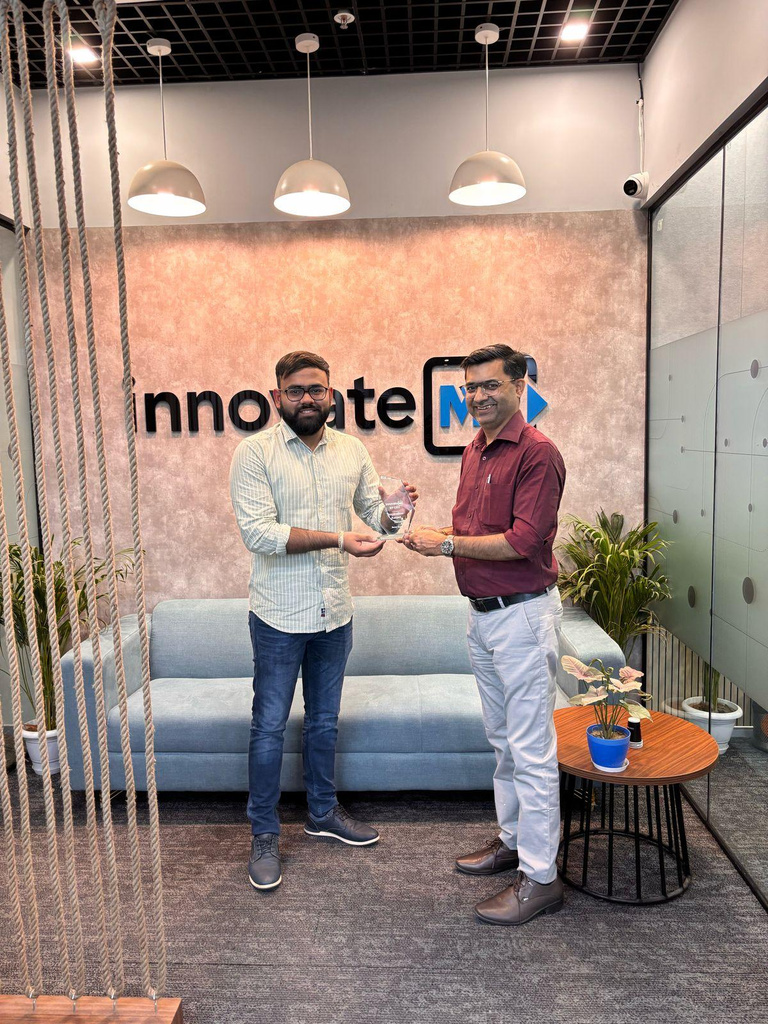
Recently, we closed one project where we were trying to reach a particularly vulnerable patient group. There were moments when it felt extremely difficult to achieve what the client needed, but we kept working through the challenges. During a call, the client acknowledged my contribution and said that I had been at the centre of this project and that they really appreciated our organisation’s support throughout. Hearing that meant a lot to me, but what made me even happier was seeing how pleased the client was to finally achieve their research objectives.
Another thing I’m equally proud of is seeing the people I work with grow. Whether it’s helping someone become more confident, sharing what I’ve learned or seeing a team member handle a challenging situation independently, those moments give me a real sense of achievement. I believe success isn’t just about what you accomplish yourself, but also about helping others succeed along the way.
What have you learned so far that you wish you’d known when you started your career?
One of the biggest things I’ve learned is that when you’re stuck with a problem, sometimes all you need is to look at it from a different perspective. Before coming to a conclusion, it’s worth exploring different possibilities, discussing them with colleagues or mentors, and understanding their perspectives. Sometimes a conversation with someone else can help you find a solution you hadn’t even considered.
Another important lesson has been learning that it’s okay to say no. I have seen some clients with ambitious expectations, challenging audiences and tight timelines. Earlier, I used to think that finding a way to say yes was always the right approach. But I’ve learned that being honest about what’s achievable, setting realistic expectations and suggesting alternative methodologies is far more valuable than committing to something that may create problems later. That’s how you build trust and long-term relationships with clients.
And finally, never stop learning. I started my career in offline research, moved into online research, and then transitioned from project management and client services into fieldwork operations because I wanted to understand the industry from different perspectives. Learning about supply channels, panel and API integrations and working with global teams and leaders has helped me grow in ways I couldn’t have imagined when I started.
If there’s one thing I’d tell my younger self, it’s to stay curious and always be open to challenges.

What excites you most about the future of insights and what would you like to help change?
What excites me most about the future of insights is how technology is opening up new possibilities for research. Having started my career collecting voice data to train AI systems, it’s fascinating to see how far technology has come and how it’s helping us conduct research more efficiently. But I believe the future of insights isn’t just about how quickly we can collect data. It’s about whose voices we’re able to include and how much we can trust what we’re hearing.
One thing I’d really like to help change is making research more accessible to people whose voices often go unheard. Having worked on studies involving patients with rare medical conditions and hard-to-reach audiences, I’ve realised that some of the most valuable insights can come from people who are the hardest to reach. I would love to see a future where we don’t leave these voices behind simply because reaching them is challenging. Technology is giving us new opportunities to connect with people across the world, and I want to be part of finding better ways to do that while ensuring their experiences and opinions are represented accurately.
For me, meaningful research isn’t just about collecting responses. It’s about making sure the right people are heard and that their experiences can help shape better decisions.
What advice would you give someone just starting out in the industry today?
My advice would be to never be afraid of a challenge. I genuinely believe that the person who takes on the most challenging project often learns the most. So don’t shy away from difficult assignments, as they often turn out to be your biggest opportunities to learn and grow.
Never stop learning and never hesitate to ask questions. You don’t need to have all the answers, but you should always be willing to find them.
Who has helped you along the way?
I’ve been fortunate to be surrounded by and mentored by some of the finest minds in the industry throughout my career. I’m incredibly grateful to the leaders at my current organisation whom I look up to and continue to learn from every day: Lisa Wilding Brown, Sandy Casey, Paul Rusciac and Sandeep Singh.
I’d also like to thank my mentors in sampling and online market research: Gaurav Sharma and Sarthak Gautam. And many thanks to Aashish Bhardwaj, my first manager, who gave me the opportunity to begin my career in market research.
Each of them has played an important role in my journey, and I’m truly grateful for their guidance and support and the opportunities they’ve given me to grow.