30Under30 Nominee: Magdalena Paczocha
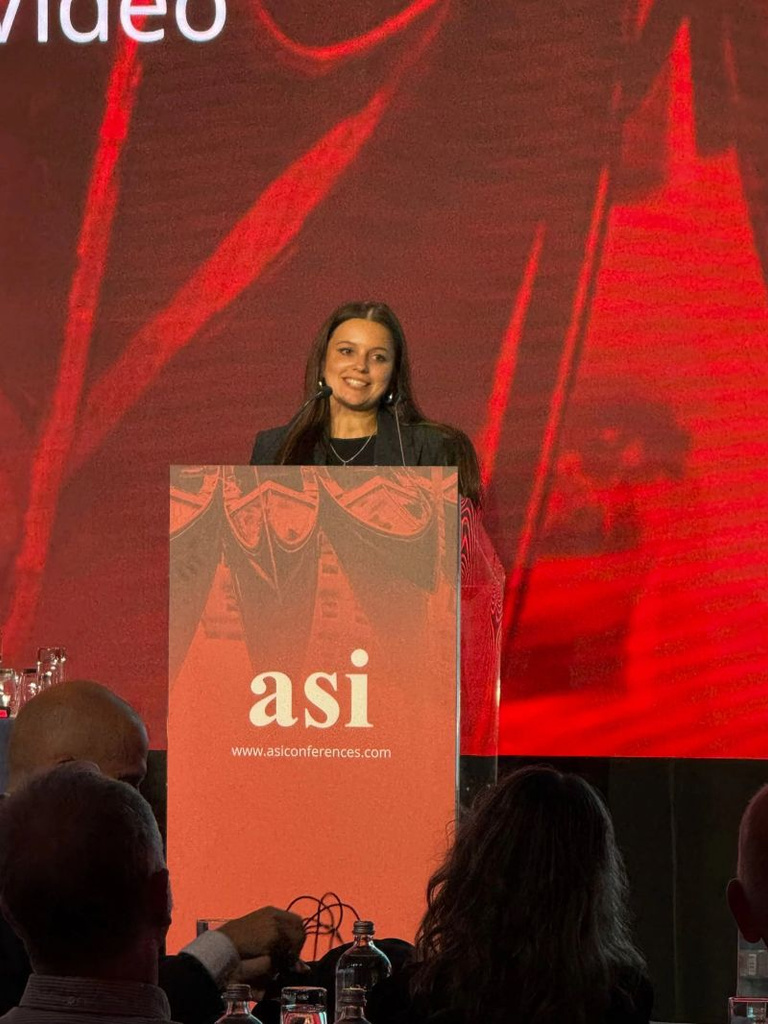
Great to hear from Global 30 Under 30 Nominee, Magdalena Paczocha, a Research Manager at Ipsos, based in London, where she leads quantitative and qualitative research for some of the world’s largest media and entertainment organisations. Magdalena’s work sits at the intersection of audiences, technology and culture, helping clients understand how people are responding to rapid changes in media consumption, platform ecosystems and emerging technologies such as AI. Magdalena’s background combines anthropology, visual storytelling and market research, which has shaped her human-centred approach to understanding audiences and consumer behaviour.
How did you find your way into research, data and insights?
I was always fascinated by people, culture and the stories we tell ourselves about the world around us, which initially led me towards anthropology and visual storytelling.
What attracted me to insights was the opportunity to combine that curiosity about people with rigorous evidence and real-world impact. Research sits in a unique space where you can explore human behaviour while also helping organisations make better decisions.
Throughout my career at Ipsos, I’ve worked across audience measurement, media strategy and technology research. The common thread has always been understanding how societal and technological shifts shape the way people think, feel and behave.

What part of your work are you most proud of and why?
I’m most proud of helping organisations navigate the opportunities and challenges presented by AI through a genuinely audience-first lens.
One project that stands out is my work with the BBC exploring public perceptions of Generative AI. Through mixed-methods research, we developed a framework that demonstrated that acceptance of AI isn’t driven by usefulness alone. People’s attitudes are shaped by a balance between value, trust and humanity.
The research went on to influence how AI is discussed internally and externally and has been shared with senior stakeholders and wider industry audiences. For me, it represented the best of what insights can do: move beyond simply measuring opinion to helping organisations make more informed, responsible decisions about the future.
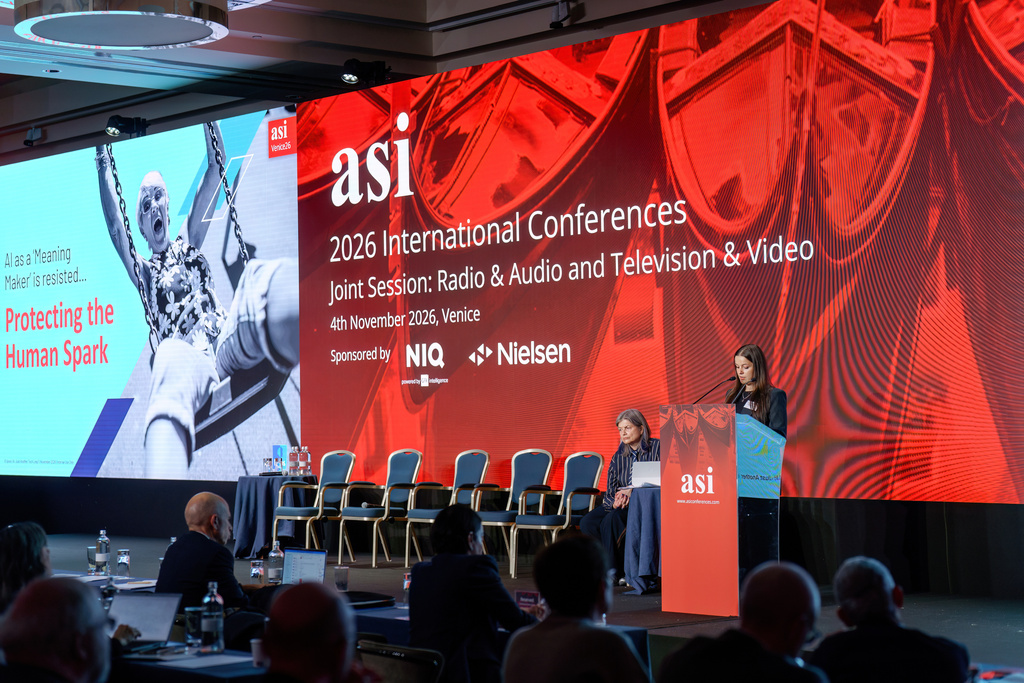
More broadly, I’m proud of being recognised with the asi 2026 New Perspectives Award and having the opportunity to share my work at the asi conference in Venice this November. It’s rewarding to know that research can contribute not just to client outcomes, but also to wider conversations about the future of media and technology.
What have you learned so far that you wish you’d known when you started your career?
I’ve learned that sometimes the most valuable contribution isn’t providing an answer. It’s helping stakeholders ask a better question in the first place.
When you first enter the industry, it’s easy to focus on getting the analysis right, and that’s obviously important. But the most impactful researchers are the ones who can translate evidence into a compelling narrative, challenge assumptions and help people act on insights.
What excites you most about the future of insights and what would you like to help change?
We’re entering a period where technology is fundamentally changing how insights are created, analysed and consumed. AI will transform many aspects of research, helping us identify patterns faster and work more efficiently with increasingly complex datasets.
What excites me most is that this shift actually increases the value of distinctly human skills. As data becomes more available and analysis becomes more automated, understanding context, culture, emotion and human behaviour becomes even more important.
I’d like to help ensure that the industry embraces innovation without losing sight of the people behind the data. We should be building a future where technology enhances human understanding, not replaces it.
What advice would you give someone just starting out in the industry today?
Some of the most interesting insights don’t come from questionnaires or dashboards. They come from books, films, conversations, travel, cultural trends and everyday observation. Developing a broad understanding of people and society will make you a better researcher than any single technical skill.
I’d also encourage early-career researchers to invest their time in storytelling and communication. Great analysis only creates value when people understand it and act on it.
And finally, be comfortable not knowing. Research is fundamentally about exploration. The best researchers aren’t the people with all the answers. They’re the people who remain curious enough to keep asking better questions.
Who has helped you along the way?
I’ve been incredibly fortunate to work alongside talented colleagues, mentors and leaders who have consistently encouraged me to stretch beyond my comfort zone. In particular, I’m grateful to the people who trusted me with opportunities before I felt completely ready. Those moments of trust accelerated my development far more than any formal training programme could.
One of the things I love most about this industry is how willing people are to share ideas, challenge perspectives and support one another. Many of the opportunities that have shaped my career have come through collaboration and generosity from others, and that’s something I hope to continue paying forward as I progress in my own career.