30Under30 Nominee: Galvin Kuan Sian Lee
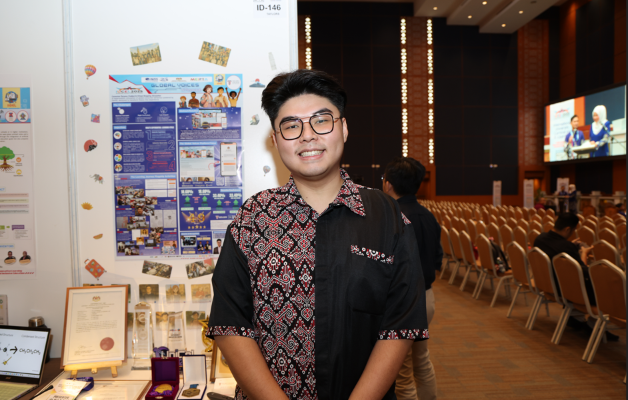
Great to hear from Global 30 Under 30 Nominee, Galvin Kuan Sian Lee, a Lecturer in Marketing and Economics and Programme Coordinator at Taylor’s College in Malaysia, where much of his work centres on consumer behaviour, marketing and developing new ways for students to understand and apply insight. Galvin is particularly interested in the intersection of consumer insight, emerging technology and education, from using AI personas and business simulations in the classroom to conducting research into how consumers respond to increasingly data-driven marketplaces.
How did you find your way into research, data and insights?
I found my way into insights through teaching. When I started teaching marketing and consumer behaviour, I quickly realised that knowing a framework and actually understanding a consumer are two very different things. Students could explain segmentation, attitudes or decision-making models, but the more interesting challenge was getting them to look at evidence, interpret behaviour and decide what it actually meant.
That pushed me to experiment with more applied approaches. I began creating AI-supported consumer personas, simulations and learning experiences where students had to interview consumers, interpret information, test assumptions and turn what they discovered into decisions.
At the same time, my own academic work increasingly moved towards consumer behaviour and digital markets. So, research and teaching began reinforcing one another. Today, I see myself sitting somewhere between researcher, educator and translator of insight. I am interested not only in discovering something about consumers, but also in helping other people learn how to ask better questions about them.

What part of your work are you most proud of and why?
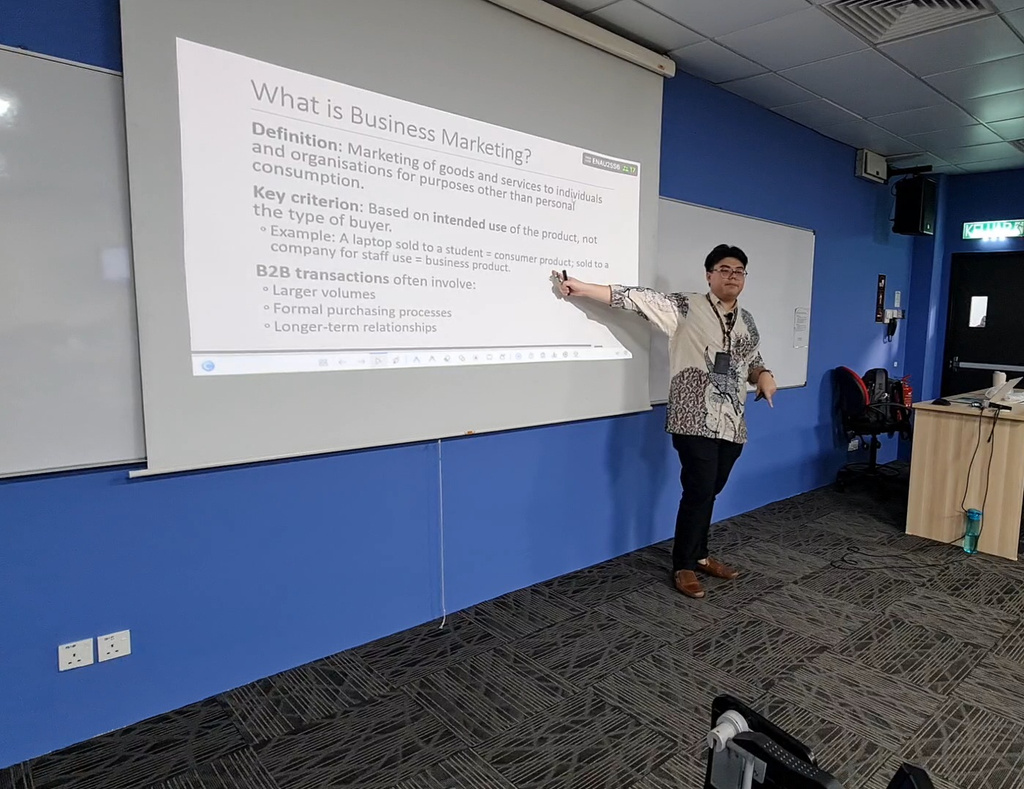
I’m most proud of building learning experiences that move students from learning about consumers to actually thinking like people working with consumer insight. One example is Global Voices: AI Persona Lab, where students interact with AI-supported consumer personas representing different markets and backgrounds. Instead of receiving a completed consumer profile, students have to ask questions, identify patterns, challenge assumptions and translate what they discover into marketing decisions.
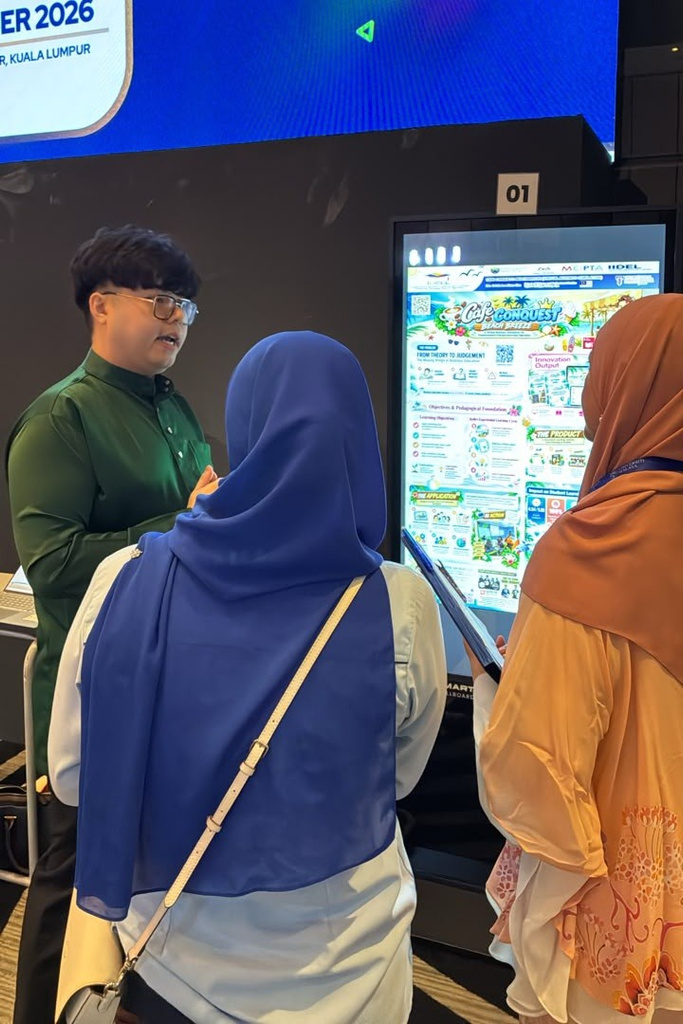
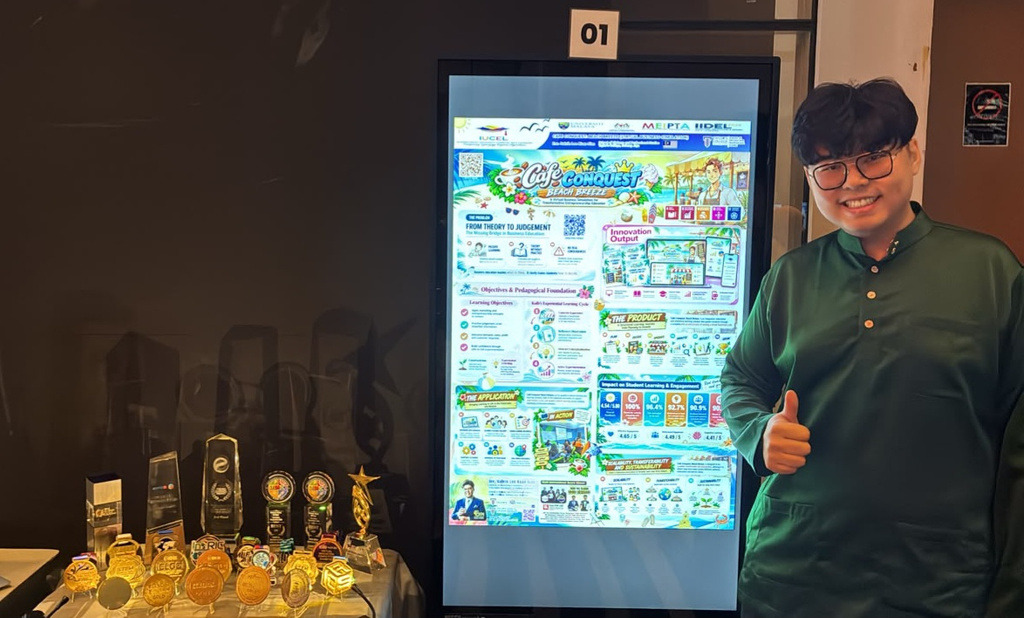
Another is Cafe Conquest, a gamified business simulation where students make interconnected decisions involving customers, pricing, demand, operations and strategy, see the consequences, and then reconsider their approach. What matters to me is not the technology itself. It is the shift from passive learning towards inquiry, interpretation and judgement. Seeing students who initially look for the “correct answer” become more comfortable saying, “Here is what the evidence suggests, here is what we still do not know, and here is the decision I would make,” is probably the part I value most.
What have you learned so far that you wish you’d known when you started your career?
That having information is not the same as having insight. Early on, I probably placed too much emphasis on knowing more: more theories, more models, more data, more tools. Over time, I realised that the real skill is deciding what matters. The same lesson applies in both research and teaching. You can have an enormous amount of information and still ask the wrong question. You can also have imperfect information and, with the right question and critical thinking, discover something genuinely useful.
I have also learned to become more comfortable with experimentation. Some of my strongest work began with a fairly simple question: “Could there be a better way of doing this?” You build something, test it, listen carefully to how people respond, and improve it. That mindset has shaped much of my career so far.
What excites you most about the future of insights and what would you like to help change?
What excites me most is that technology is making insight more accessible while simultaneously making human judgement more important. AI can already process information, generate personas, identify patterns and accelerate analysis. The interesting question is therefore becoming less about whether we can generate more information and more about whether we can question it properly, interpret it responsibly and make better decisions from it.
That has major implications for how we prepare the next generation of researchers, marketers and decisionmakers. I would like to help close the gap between how insights work in practice and how we traditionally teach people to understand consumers. Students should have opportunities to deal with ambiguity, question evidence, interact with different consumer perspectives, make decisions and sometimes discover that their assumptions were wrong. I would also like the profession to remain strongly human-centred as AI becomes more prominent. Better technology should help us understand people more deeply, not reduce them to increasingly sophisticated data points.
What advice would you give someone just starting out in the industry today?
Learn the tools, but do not let the tools become your identity. Become comfortable with data, research methods and AI, but spend just as much time learning about people, behaviour, culture, business and communication. I would also encourage anyone starting out to develop the habit of asking one additional question: “What else could explain this?”
It is very easy to find evidence that supports what you already believe. Good insight often comes from being willing to challenge your first interpretation. And do not worry too much about following a perfectly conventional career path. My own route crosses economics, marketing, consumer behaviour, education, technology and research. Those intersections have often been where the most interesting ideas emerged.
Who has helped you along the way?
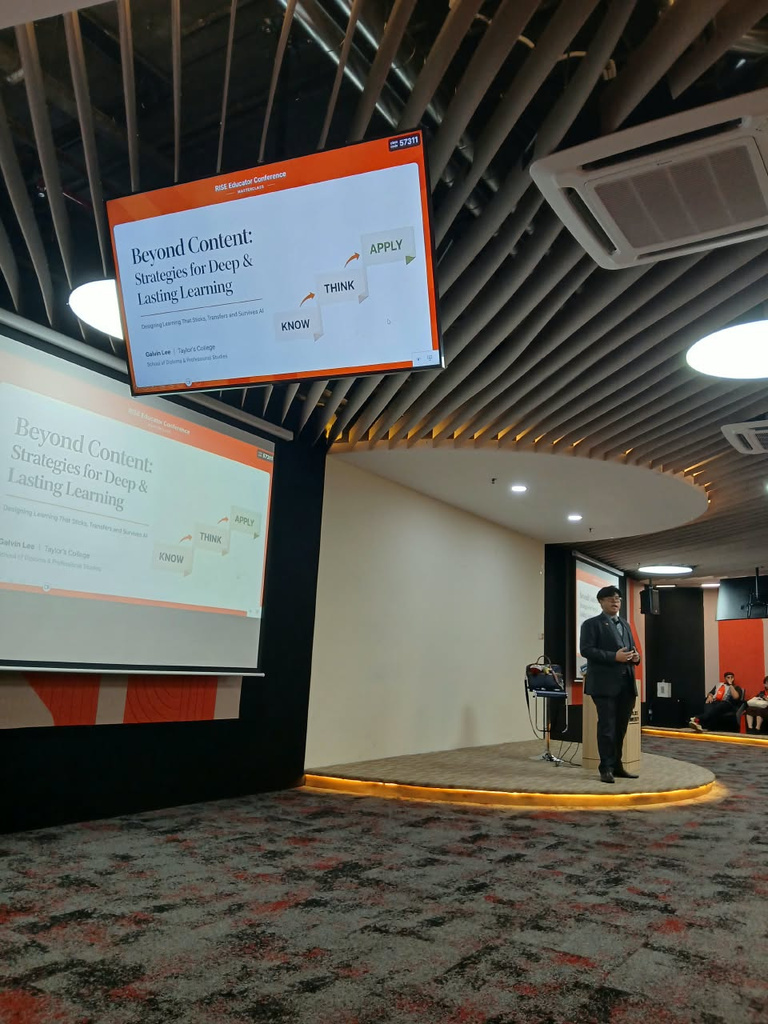
I have been fortunate to work with lecturers, mentors and colleagues who have encouraged me to experiment rather than simply follow established ways of doing things. I am particularly grateful to Taylor’s College, which has given me considerable room to develop new approaches to teaching and learning and to test ideas across my classes. I would also have to acknowledge my students. They are effectively the people who keep testing my ideas.
When something I design does not work, they make that very clear. When something does work, their questions often take it somewhere I had not anticipated. Many of the teaching innovations I use today became better because students interacted with them in ways I did not originally expect. That constant feedback loop has probably taught me as much about experimentation and human behaviour as anything else.