30Under30 Nominee: Bianca Le Roux
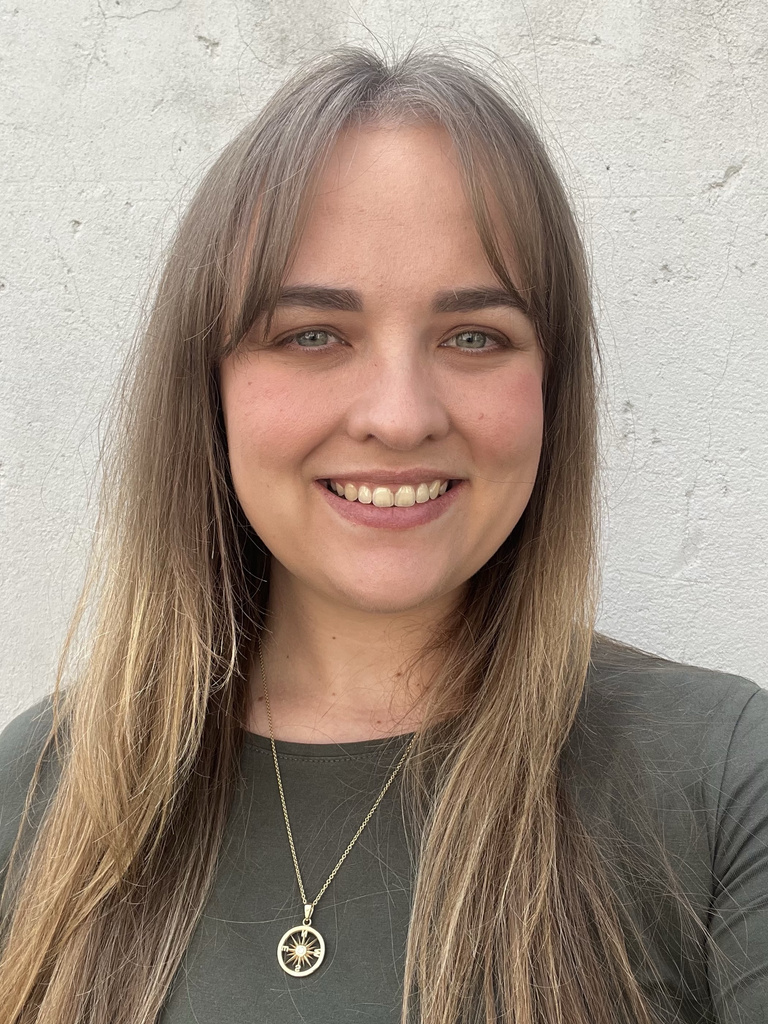
Great to hear from Global 30 Under 30 Nominee, Bianca Le Roux, an Insight Consultant at Human8, based in Gauteng, South Africa. Bianca’s work spans research design, analysis and reporting, with experience on projects in South Africa and Europe, in sectors including financial services, insurance, FMCG, pharmaceuticals, automotive and telecommunications. With a background in psychology, Bianca is particularly interested in how people make decisions.
How did you find your way into research, data and insights?
I remember being in the car with my mum around Grade 9, telling her how much I’d enjoyed a school research project. She said, “You know people do that for a living?” The idea stayed with me.
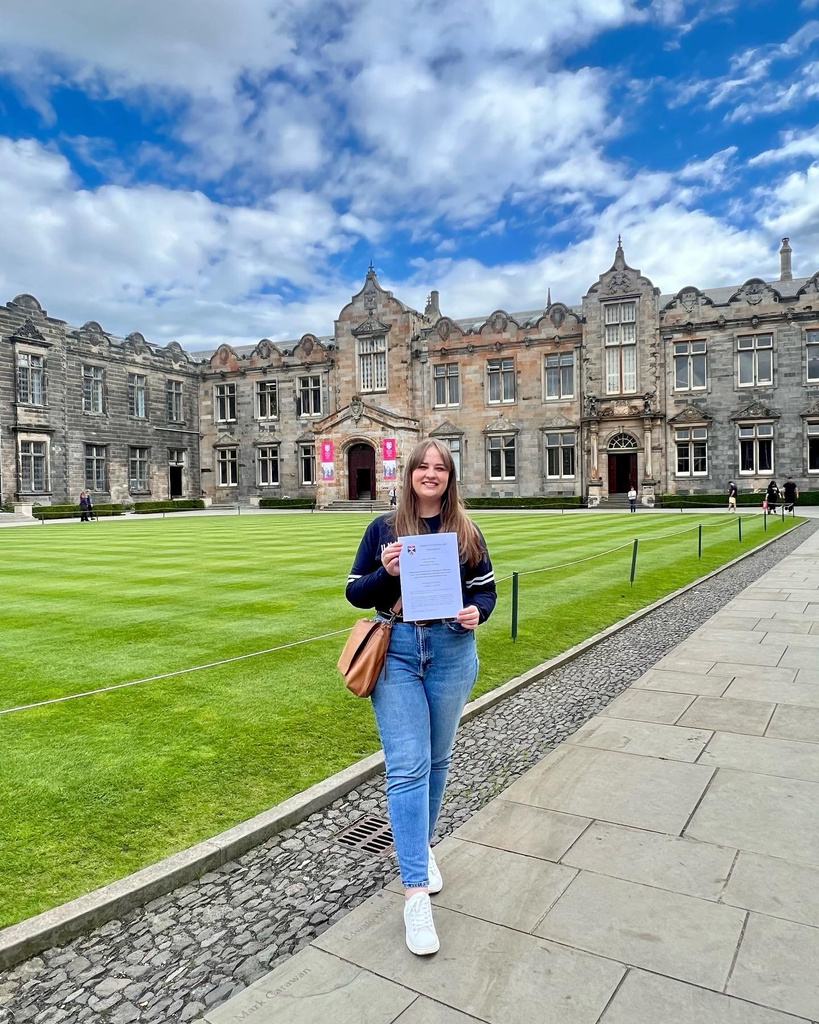
I started university studying biochemistry and physiology, then swapped biochemistry for psychology as I became more interested in understanding people. I particularly enjoyed the research side of my Psychology Honours at SACAP Pretoria, where I was recognised on the Wall of Excellence as one of the standout students in my year. I went on to complete an MSc in Research Methods in Psychology at the University of St Andrews. My dissertation explored intergroup relations and received an academic award.
After university, I stayed in Scotland for a couple of years, working in a bakery and enjoying the chance to explore. Towards the end, I was looking after a small café in an office building and started noticing patterns in the daily sales figures.
One Wednesday, I tried making customers’ coffees before taking payment. While they waited, more people browsed the cakes and added something to their order. Takings were around 30% higher than the previous Wednesday, with the same number of customers. It was an informal experiment that got me looking into market research.
I’m around a year and a half into the industry now, and I’m looking forward to building on what I’ve learned and contributing more through my work at Human8.
What part of your work are you most proud of and why?
I’m proud of the initiative I bring to analysis and reporting. I enjoy exploring a dataset from different angles and working out how the findings fit together. There’s a creative side to that, too: finding a way to explain something complex so a client can see what matters and why.
I’ve made AI a practical part of my workflow. For example, I used it to help refresh a brand health tracker, introducing new elements in a short amount of time. I’ve also found ways to reduce the time spent on certain tasks, leaving more room to explore findings and refine how I present them. My research training helps me assess these ideas critically.
On a personal level, I’m proud of becoming more confident presenting and discussing my work. That used to feel quite daunting, and it’s rewarding to see that confidence grow.
This year I also joined the Johannesburg chapter of SAMRA, the Southern African Marketing Research Association, where I’m helping to plan and coordinate upcoming chapter events. It’s an opportunity to contribute to the profession by bringing researchers together to exchange ideas and learn from one another.

What have you learned so far that you wish you’d known when you started your career?
One lesson I’m learning is to think about what someone needs to understand before deciding how to present the findings. There can be a lot of interesting detail in a study, and part of the job is working out which of it matters for the decision in front of the client.
That’s also a useful way for me to approach presenting. I’m there to help people make sense of the work, and I can contribute while staying open to questions and other perspectives.
What excites you most about the future of insights and what would you like to help change?
What excites me most is what we could do with the time AI gives us back. In agency research, time and budget influence how far we can explore a question. Greater efficiency could give us more room to investigate unexpected findings or test an alternative explanation before settling on a recommendation.
I’d like to help make that part of how we use AI, judging its value by the depth and usefulness of the research as well as the time it saves. Researchers would still be responsible for the conclusions, with more scope to apply their judgement and curiosity.
What advice would you give someone just starting out in the industry today?
Stay open to the industries and questions you might work on. Agency work has introduced me to subjects I knew very little about, and that variety has been one of the most enjoyable parts of the job. Taking time to understand the category helps you ask better questions.
Get comfortable with useful tools, including AI, and learn how to use them well. Efficiency matters for project budgets and profitability, and time saved can go into exploring findings more thoroughly. Keep developing your research skills so you can judge the quality of the output.
I’d also encourage people to meet other researchers. Events and professional associations can be good places to exchange ideas and learn how others approach the work.
Who has helped you along the way?
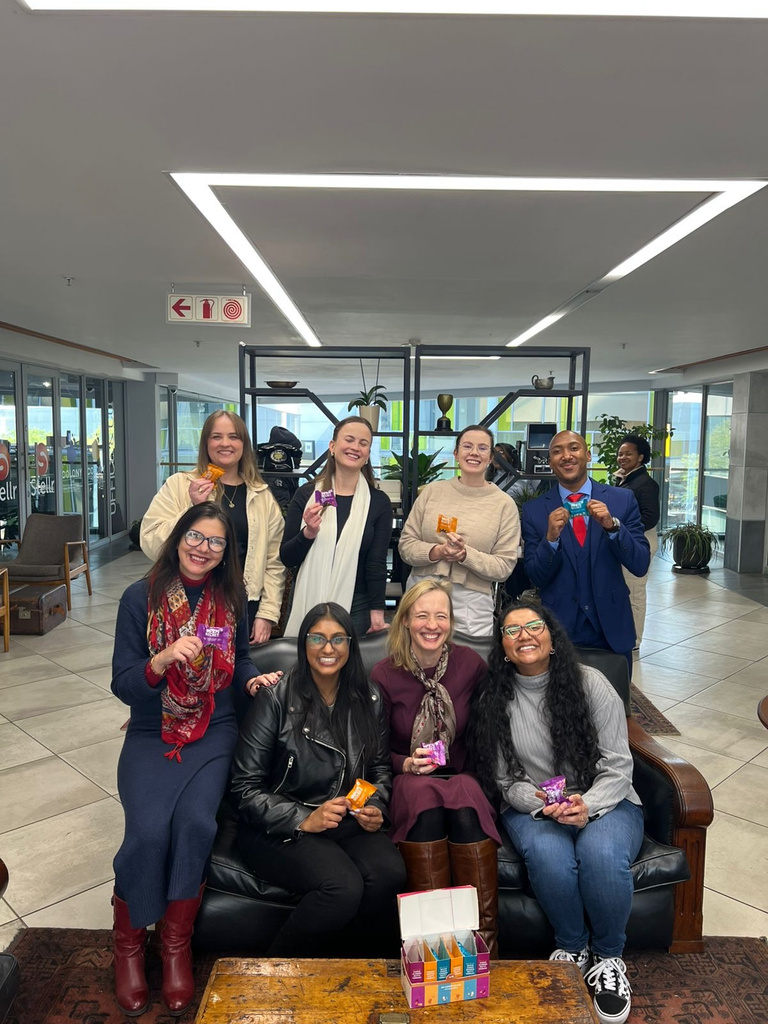
My former colleague Simone Sribrath taught me a great deal and was a real source of encouragement. Hearing her speak so positively about the industry after so many years made me excited about the career ahead of me.
At Human8, my manager Marle Mans has been consistently encouraging and makes me feel that my work is seen and appreciated. She’s someone I look up to as a leader. I’ve also worked closely with Sasha Maharaj since joining, and I’ve learned a great deal from her.
Charles Sithole, a colleague and 2025 Global 30 Under 30 Honouree, introduced me to SAMRA and encouraged me to get involved in the research community. That’s helped me understand more of the profession and bring a wider perspective to my work.
Lastly, Dr Ruth Liprini, my research methodology lecturer during my Honours at SACAP, encouraged me to pursue a research career. Her enthusiasm for the subject stayed with me.