30Under30 Nominee: Efe Kiremitci
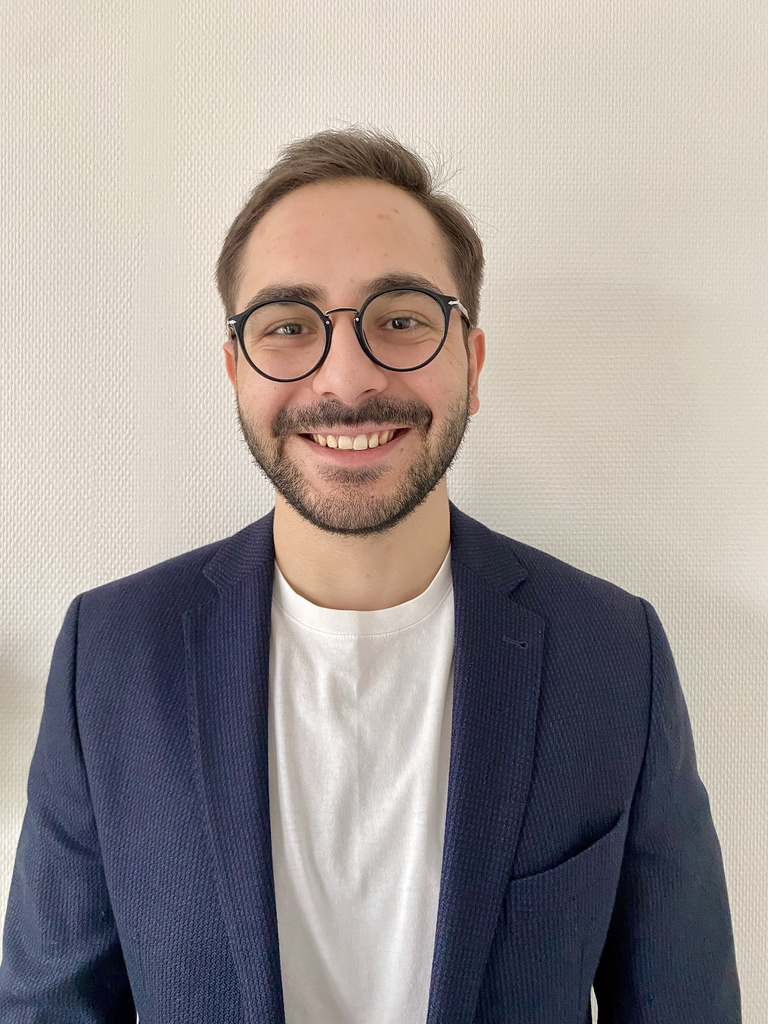
Great to hear from Global 30 Under 30 Nominee, Efe Kiremitci, who is the Head of Product at TwentyEighth Conversation in Amsterdam, building conversational AI technology for research and insights. Born from a research agency, TwentyEighth Conversation’s platform Lisa has grown from an idea into a technology that brings research methodologies and AI together. Efe’s role sits at that intersection, translating how researchers think and work into products that can reshape how they understand people.
How did you find your way into research, data and insights?
Research definitely wasn’t the original plan. I started my career in corporate banking in Istanbul, but after two years, I realised I wanted to move closer to marketing, data and understanding why people make the decisions they do. That decision brought me to the Netherlands, where I completed my Master’s in Marketing Analytics at Tilburg University. While studying, I joined Epiphany RBC as a Research Manager intern, which became my entry point into the insights industry. After graduating, I stayed on as a Research Consultant, and over the next few years learned how to go beyond analysing data and turn it into something clients could actually understand and act on. Looking back, those years became the foundation for what I do today. Working as a researcher taught me not only how research works, but also where researchers struggle and where the traditional process could be better. As Lisa started to grow, I found myself increasingly drawn to solving problems through technology. That eventually took me from being a user of research tools to helping build one, and into my current role as Head of Product Growth.

What part of your work are you most proud of and why?
It’s difficult for me to point to one project or feature, because what I’m most proud of is seeing the product grow and the impact it has started to have on how our clients work. Our mission at TwentyEighth Conversation is to humanise online research. We’re trying to move away from experiences that feel like filling in a form, and towards something that feels more like a meaningful and genuine conversation. We chase that mission in the small decisions we make every day. I’m proud of building tools like Shelf Conjoint, Conjoint and MaxDiff, and creating simulators and visualisations that make these methodologies easier to work with. I’m proud of how much thought we put into building what we believe is a really strong supermarket shelf exercise. And I’m especially proud of our moderator, not an interviewer designed to extract information from people, but something built to have meaningful conversations with consumers, listen to what they are saying and understand when it’s worth going deeper. But more than any individual feature, I’m proud of the team we’ve built around all of this. We’re still learning, experimenting and getting things wrong sometimes, but we come in every day working towards the same goal: finding better ways for researchers and consumers to connect.

What have you learned so far that you wish you’d known when you started your career?
I wish I had known how much patience and resilience it takes to build something new. It really is a rollercoaster. Some days you feel like you have the best product in the world, you see the impact of what you’re building and everything seems to be moving in the right direction. Then there are days when nothing works, things move slower than you want and you start questioning everything. I’ve also learned that progress isn’t only about what you achieve yourself. As I became more responsible for a team, a big part of my own growth came from learning how to help other team members succeed, understanding what each person needs, giving them space to do their best work, and figuring out how I can help them become even better. And maybe the hardest lesson has been that not everything happens when you want it to. Sometimes you work towards something for a long time and it still doesn’t happen. That can be incredibly discouraging, but I’ve learned not to see it as the end of the story. Everyone has their own timing. Keep working, keep learning and keep believing in what you’re building, even when the results aren’t there yet.
What excites you most about the future of insights and what would you like to help change?
What excites me most is how much more we can do to better connect with and understand real people. Synthetic data is becoming a powerful complement to research, and I think it will play an important role in how we test ideas, explore possibilities and make research more efficient. But I still believe the future of insights is about finding better ways to understand real consumers, rather than moving away from them. Technology gives us the opportunity to make those interactions much better. Instead of asking everyone the same questions in the same way, we can listen, adapt, go deeper when something interesting comes up and create research experiences that feel much more natural for the person on the other side. That’s also what makes building Lisa exciting for me. We’re not only trying to make existing research faster with AI; we’re experimenting with a different way of doing research altogether. I’d like to help push the industry in that direction, using technology to get us closer to people, not further away from them.
What advice would you give someone just starting out in the industry today?
Giving career advice is a difficult one for me, because I still feel like I’m only at the beginning of my own journey. I also believe everyone has their own path. I never thought I would work in research before I found myself in this industry, and that taught me that careers can take you in directions you didn’t necessarily plan for. But if someone chooses research, or simply ends up here like I did, my advice would be always to look for ways to make the industry better while remembering why we do research in the first place. I find myself coming back to this, especially when I get caught up in the busyness of everyday work. People are at the centre of what we do. Behind every response, data point or insight there is a real person with something to tell us. Whatever technology or methodology we use, we should keep finding better ways to connect with people, learn from them, and turn that understanding into something useful for the clients and partners we work with.
Who has helped you along the way?
There are a few people I would really like to acknowledge. Our CEO, Jan Kienhuis, gave me the space to make mistakes, learn from them and come back better. When I first stepped into the Head of Product role, I think he saw what I could become in that role before I fully saw it myself. Over the last few years, he has continued to guide us with his vision and belief in where we can take the company. Then there are my teammates. They’ve taught me that building a great team is more important than any one individual. When you bring a few smart people together who trust each other and work towards the same goal, you can create things that none of you would have imagined on your own. And finally, my parents. They’ve probably listened to more of my venting after difficult and disappointing days than anyone else. They’ve always helped me keep my head in the game, put things into perspective and keep going. A lot of the journey happens outside the moments people see, and having that support has meant a lot to me.