The end of innocent optimism
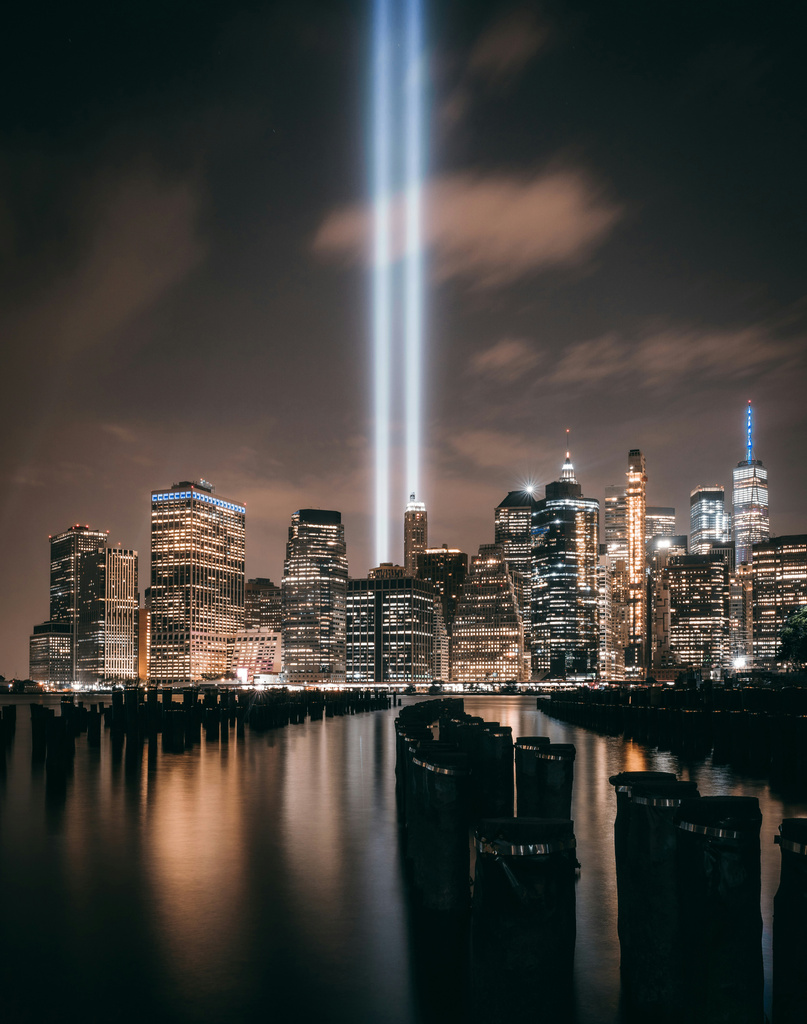
A few days after the 25th anniversary of 9/11, we are privileged to share a deeply personal reflection from Simon Chadwick. Simon was in Manhattan that morning, leading a business at a moment of extraordinary growth and optimism. Within minutes, everything changed. In The End of Innocent Optimism, he reflects on what he witnessed, the human impact of the days that followed, and what the experience taught him about leadership, resilience and the extraordinary importance of the people around you. “Our strength was in the team. Our resilience was the team.” A powerful and moving read.
THE END OF INNOCENT OPTIMISM
It was a glorious September morning that Tuesday in Manhattan. The sky was an impossible azure blue, the air felt fresh, and optimism abounded. Ten days earlier, we had closed the biggest deal yet in our quest to become a truly major player on the international research scene. Roper Starch Worldwide was the 15th largest market research company in the world, built up from virtually nothing in less than twenty-five years by the irrepressible Jay Wilson. Built up through the accumulation of some of the oldest and most iconic market research companies in the United States, as well as an impressive array of talent, Roper was an innovator in the relatively new field of multinational research and, as such, was an ideal complement to the equally iconic NOP in the UK and Europe. Our success in netting Roper was all the sweeter as, for the second time in a row, we had beaten Martin Sorrell’s WPP to the punch.
Now, on this Tuesday morning, we were due to meet as a Board to decide on our next targets and on how best to integrate the two firms. Better still, twenty of our senior managers from London were in town to meet their counterparts and start the all-important bonding process that would hopefully lead to us becoming one company united. There was plenty of reason to be optimistic – our values were very similar, our product offerings meshed well and the key people from both sides respected and liked each other. As we settled in to start our board meeting at 8.30 that morning in our offices on Sixth Avenue and 18th Street, all seemed right with the world.
It was September 11th, 2001.
At 8.46 a.m. the first plane hit the North Tower of the World Trade Center. A few minutes later, someone poked their head around the door and told us that the Twin Towers had been hit by an aircraft. As did many others at the time, we assumed that a small plane had hit the tower by accident. Although concerned, we decided to continue with our meeting. There were lots of important things to be decided and the clock was ticking.
Seventeen minutes after the first plane hit, United Airlines 175 struck the South Tower. Half an hour later, the Pentagon was hit and shortly after that United Airlines 93 crashed in Pennsylvania.
The staff in our office had set up a television in the corridor and were crowded around the set, trying to make sense of the mayhem being unleashed. Not since JFK was assassinated would people have such a clear memory of where they were and what they were doing as the towers came crashing down.
And then they started to come. First, a few lone travelers, then groups and then crowds and crowds of them. Walking ghosts, a ghastly white, covered in ash, trudging past the office with blank looks of shock on their faces. They walked north, many of them without any idea of where they were going. They just needed to get away. Our staff ran out to help, taking with them bottles of water and offers of assistance, shelter, and rest. But they just kept walking.
Inside the board room, shock turned to panic, especially since our Chairman, Charles Gregson, was also Chairman of the financial brokerage firm ICAP that had hundreds of employees located in both towers. He immediately began calling the families of his employees, his face white and grim, until telecommunications failed. (Thankfully, all but one of ICAP’s staff survived). Meanwhile, the rest of us were desperately trying to call family and friends, both to find out if they were safe and to reassure them of our own safety. It took me three hours to get through to my wife in Arizona so that she could then inform the rest of our extended family that I was indeed safe.
As all of this was going on, I realized that we also had a massive logistical problem on our hands. We had over twenty British senior managers in Manhattan needing not only to be fed that night but also transported home to the UK. Where the immediate need was concerned, our problem quickly became apparent: virtually all the restaurants and food-serving bars in Manhattan had closed down. We eventually found an Irish bar on the Upper West Side that had remained open and so were able to corral all our shocked and rather disoriented Brits into a surreally cozy space for Guinness and Irish fare.
The longer-term problem, however, was much more thorny. How were we going to get these twenty people – our entire British senior management team – home again? All air travel had ground to a halt for the foreseeable future and New York was not a place where most wanted to be at that moment. Pollution from the fallen towers hung in the atmosphere, communications were spotty, and the city was in stasis. Eventually, most were able to leave by means of getting to Canada, although even that was tricky as rental cars were almost impossible to find. But, by a combination of carpooling, trains and the aid of their colleagues, they finally made it.
For those of us left behind in Manhattan, the days that followed were mentally harrowing. While people varied in their reactions and the ways in which they dealt with them, many (including me) felt a hollowness that, when alone, morphed into intense grief and anger. Worse, there was no way of leaving the grief behind, even for a minute. Every single TV channel seemed to be carrying ‘9/11’ twenty-four hours a day, while being out in the city itself and seeing the absence of those towers just served to drive the horror home. A part of our city had been ripped away from us and, with it, part of our souls.
During all of this, my job as CEO was to both lead and heal. I needed to project calm and represent the inherent strength of our people and the company as a whole. I had to reassure all who had put so much into building this firm that life would indeed go on and that our resilience, though put to the test, had pulled us through. It was an impossible task for one person to do on their own. But I was lucky. I had a team of executives and managers who were trusted, adept, empathetic and, above all, resourceful. They stretched throughout the company, and they were there for their people 24/7. One lady who stands out in my memory epitomized all of this. Officially, she was our head of administration. Unofficially, she was the person you went to when you needed the impossible. Rental cars for stranded Brits? Check. Counseling for those who had seen one or other of the planes hit? Check. Day care for children who couldn’t go to school? Check. She was the glue who held the team together.
Once again, though, this had proved to be a team effort. Our strength was in the team. Our resilience was the team. It’s never about one person, always the team.
Slowly, gradually, we returned to a semblance of normality. Except that nothing would ever be normal again.
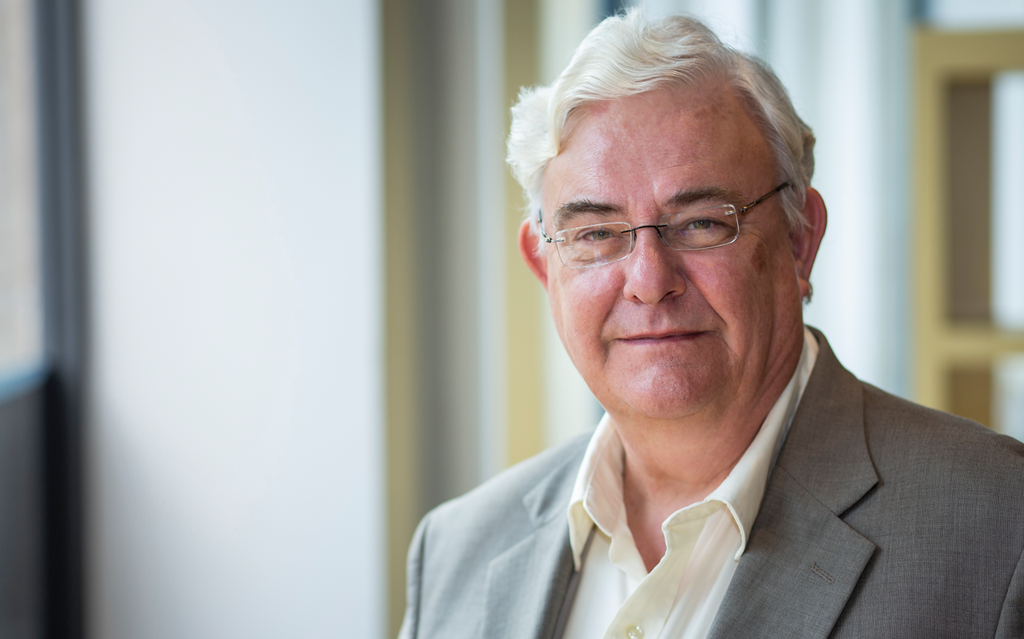
Written by Simon Chadwick, Managing Partner at Cambiar Consulting