The Empathy Exchange: Have We Forgotten How to Understand Each Other?
By James Endersby, CEO of Opinium and Founder of Significant Insights
We work in an industry built on understanding people. So why are we sometimes so bad at understanding each other?
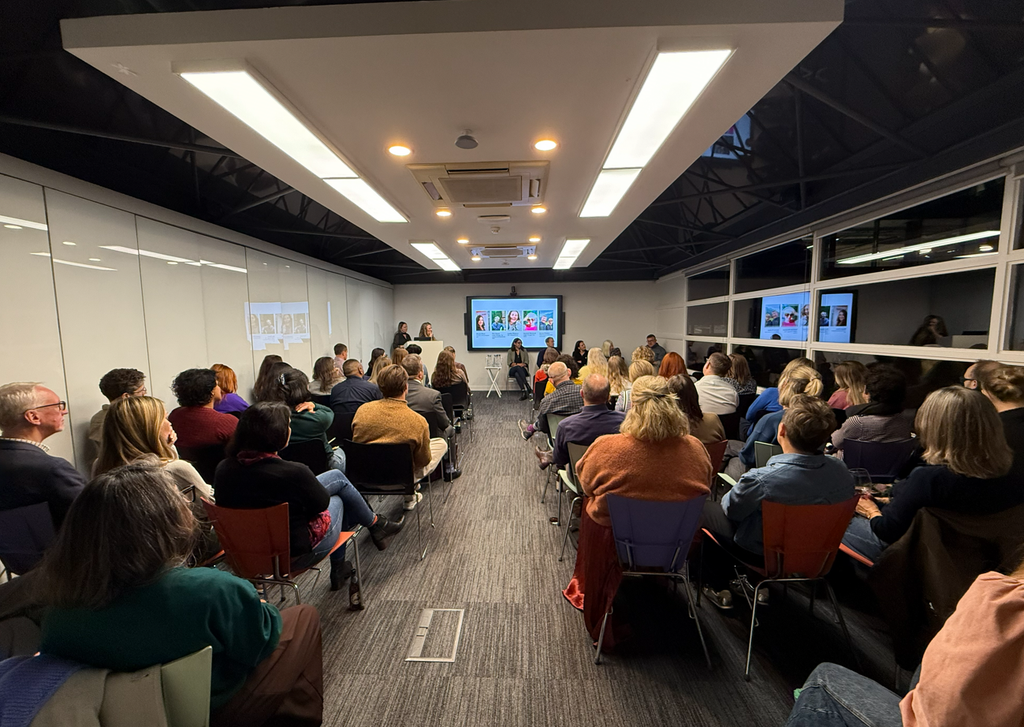
It’s a question I’ve been thinking about since Wednesday evening, when Opinium hosted The Empathy Exchange: From Conversation to Action, the inaugural Significant Insights event in London.
At Significant Insights, our ambition has always been to champion the people and ideas shaping the future of our industry. That means celebrating emerging talent, but also bringing important issues into the open, challenging how we think and creating conversations that can lead to meaningful change. The Empathy Exchange is exactly the sort of initiative we want to support, and why I was so pleased that Opinium could host it.
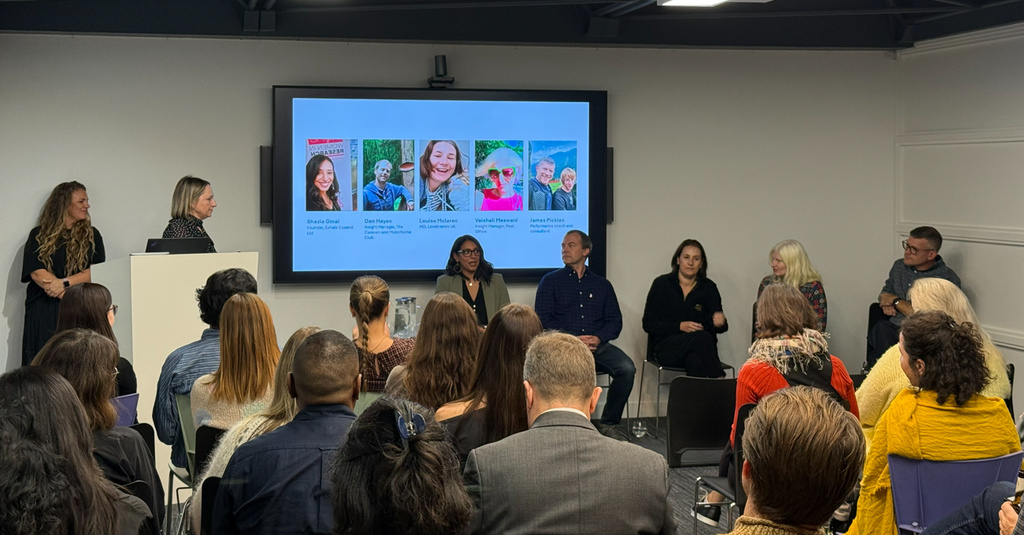
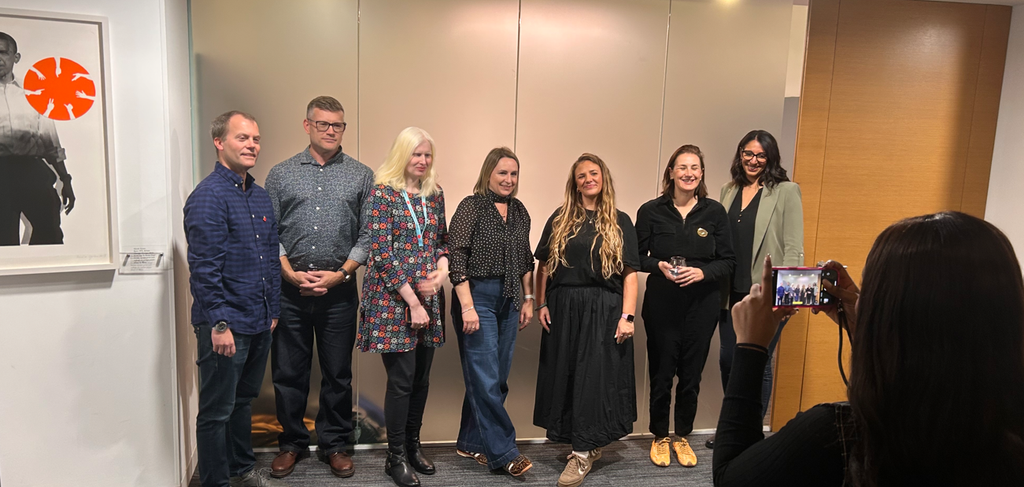
Brought to life by Clare Woodward and Suzanne Martin, the evening featured a brilliant panel of industry professionals: Shazia Ginai, Dan Hayes, Louise McLaren, Vaishali Meswani and James Pickles. Together, they explored whether we’re reaching a critical point for empathy, sharing experiences that were at times funny, uncomfortable and deeply moving.
We heard about illness, bereavement, burnout, difficult working relationships and the extraordinary difference a little human understanding can make. What struck me was how familiar so much of it felt. We spend our professional lives helping organisations understand people, yet can be remarkably quick to judge our colleagues, clients and even ourselves.
We’re working faster, communicating increasingly through screens and embracing technology that promises to make everything more efficient. Much of that progress is exciting, particularly AI. But are we becoming so focused on what technology allows us to do that we’re paying less attention to what it means to be human?
The discussion left me with ten important lessons, five for our industry and five for ourselves.
Five lessons for our industry
1. Empathy is a business advantage, not a soft skill.
One panellist described a customer immersion programme, where senior leaders spent time with real customers. During one session, a woman working at a women’s shelter explained how a billing problem had resulted in a key service being closed down. Despite repeated calls, the issue remained unresolved. Hearing the human consequences directly prompted the CEO to intervene that afternoon and helped inspire a much wider immersion programme.
It illustrated the enormous difference between knowing customers are unhappy and understanding what their unhappiness actually means. A dashboard might tell you a service is failing, but a person helps you understand why that failure matters. For an industry increasingly focused on automation, it’s a reminder that the value of research cannot simply be measured by how quickly we produce answers.
2. Stop treating human relationships as an inefficiency.
Technology has made collaboration easier, but several panellists questioned what we’ve lost. The conversations before meetings, the walk to get a coffee, the chance to notice that someone seems distracted. Virtual meetings can become entirely transactional. We arrive, discuss the agenda, agree actions and disappear, often knowing little more about the person on the other side of the screen.
This matters particularly in agency and client relationships. We jump straight into briefs, budgets and deadlines without understanding the pressures others face. We heard examples of agencies sacrificing personal time to prepare proposals, only to receive no response. Often, a little consideration and clearer communication would make an enormous difference. Relationships are part of the work, not something that gets in the way of it.
3. The real test of empathy comes when things get difficult.
Some of the most uncomfortable stories concerned the gap between what organisations say about empathy and how they behave. One panellist described returning after major surgery, only to find conversations immediately focused on commercial performance. Another recalled taking a work call from a hospital car park while a parent was dying. The meeting overran unnecessarily, despite colleagues knowing the circumstances.
Businesses must perform, and leaders have difficult decisions to make. But commercial pressure doesn’t remove our responsibility to treat people with dignity. The same applies to restructuring, where processes and legal requirements can overshadow the emotional impact on employees. It’s easy to celebrate a caring culture when everything is going well. The real measure is how we behave when someone is struggling.
4. Leadership needs fewer masks and more humanity.
One of my favourite stories came from a panellist who inherited a team that had been through a difficult period. Rather than launching another performance exercise, the leader created space for people to talk openly, without interruption or judgement. The conversation lasted five hours, with people sharing their struggles and insecurities. Years later, team members still remembered its impact.
As leaders, we can spend enormous energy appearing confident and completely in control. Yet acknowledging our own humanity often gives others permission to do the same. This doesn’t mean sharing everything, and appropriate boundaries matter, but there’s a difference between being open and pretending everything is always fine. Creating an environment where people feel safe enough to be honest starts with our own behaviour.
5. As AI becomes more powerful, human understanding must become more valuable.
AI is transforming our profession, creating extraordinary opportunities to improve productivity and expand what’s possible. But the panel raised an important question: what happens if we confuse the ability to generate insight with the ability to understand people?
One panellist described an organisation insisting on using AI even when the human-led approach was quicker and cheaper, simply to demonstrate adoption. Another questioned whether automating more of the research process could weaken our ability to engage with people in all their complexity. I firmly believe we should embrace AI, but we must remain thoughtful about where human judgement is essential. If technology gives us more time, surely we should be reinvesting some of it in listening and understanding.
Five lessons for ourselves
If the industry implications were fascinating, I found the personal lessons even more powerful. Empathy isn’t something that belongs exclusively in corporate values or leadership programmes. It’s something we practise, or fail to practise, in the ordinary moments of our lives.
1. Listen to understand, not simply to respond.
One panellist reflected on spending much of their career believing they were a good listener, before realising they were often just waiting for their opportunity to speak. I suspect many of us can relate. We’re so accustomed to solving problems and offering advice that listening becomes an exercise in preparing our response. Sometimes the most valuable thing we can offer another person is our undivided attention, without immediately trying to fix their problem.
2. Everyone is carrying something you cannot see.
Several panellists spoke about experiences that fundamentally changed their understanding of others, including parenthood, chronic pain, discrimination and bereavement. One admitted that becoming a parent had completely transformed their perspective on colleagues struggling to balance work and personal responsibilities. We rarely know the full story of somebody else’s life, and before judging their behaviour, it’s worth considering what might be happening in their world that we don’t know about. Empathy doesn’t mean abandoning accountability, but it might change how we respond.
3. Small gestures can have an enormous impact.
A colleague acknowledging someone’s return from illness. A client explaining why a proposal was unsuccessful. Someone offering help during a period of grief. These moments came up repeatedly throughout the evening, reminding us that empathy doesn’t require complicated wellbeing programmes or enormous investment. Often it begins with noticing something and choosing not to ignore it. A thoughtful question or a little flexibility can mean far more than we realise.
4. Vulnerability can be an act of generosity.
There was a fascinating discussion about the masks we wear at work and the pressure to appear capable and in control. One panellist described how hearing a senior colleague speak openly about their difficulties made them feel less alone. When we share experiences appropriately and honestly, we sometimes give others the courage to do the same. Vulnerability should always be a choice, with sensible boundaries, but perhaps we should stop assuming that strength means appearing unaffected by everything life throws at us.
5. Empathy begins with understanding ourselves.
When we’re stressed, exhausted or overwhelmed, our attention naturally turns inward, making it harder to recognise what others might be experiencing. And when we don’t understand how our own pressures influence our behaviour, it’s remarkably easy to pass them on. Before reacting to something frustrating, consider whether your response is really about the situation in front of you or something else you’re carrying. We won’t always get this right. I certainly don’t. But greater self-awareness is a good place to start.
So where do we go from here?
I left The Empathy Exchange feeling enormously encouraged, but also challenged. Encouraged because the evening demonstrated how much people in our industry care about one another. Challenged because so many of the problems were painfully familiar, and because I know that, as a leader, I won’t always have got these things right myself.
It also reminded me why evenings like this matter. Bringing people together to have honest conversations about the challenges facing our industry is important, but what really matters is what happens afterwards. Whether we take those conversations back into our organisations and allow them to change how we behave.
Clare Woodward and Suzanne Martin deserve enormous credit for making this happen, and I’m hugely grateful to our panellists and everyone who joined us. I hope it’s the beginning of a much wider conversation, because as technology reshapes our profession, the ability to genuinely understand people will become more important, not less.
I keep coming back to something I believe passionately: we are not short of data. We are short of understanding.
And if understanding people is what makes our industry valuable, surely we have a responsibility to practise it in how we treat each other. Not just when conducting research or presenting findings to clients, but in our working relationships, our leadership and the countless small interactions that shape somebody else’s day.
Perhaps the most important question to come out of The Empathy Exchange wasn’t whether we’re reaching a critical point for empathy, but something much more personal.
When was the last time you made somebody feel genuinely understood? And what would happen if we all tried to do that a little more often?