How did you get there? Christina “Tina” Nathanson
After more than 30 years in insights, Christina “Tina” Nathanson still talks about the profession with the curiosity and energy of someone discovering it for the first time.
Now Director of Market and Customer Insights at Quest Diagnostics, Christina has built a career spanning both the client and agency sides of the industry, with roles at organizations including AIG, Mastercard, Ipsos, and GE. But the thread running through her career has remained remarkably consistent: using data to understand people, giving them a voice, and turning insight into action.
In this Significant Insights career conversation, Christina reflects on the chance internship that changed the direction of her life, the mentors and relationships that opened doors, navigating two years out of work during the pandemic, and why she believes AI should free researchers to think more deeply rather than replace them.
She also shares what more than three decades in the profession have taught her about resilience, listening, curiosity, mentorship, and taking your seat at the table.
Every career has a beginning. Looking back, what first drew you into the world of research, insights, data or analytics, and what were the key moments that shaped the journey to where you are today?
I got into research entirely by accident. As an economics major at SUNY Stony Brook, I originally planned to work for the U.S. government at the Census Bureau, expecting a career of looking at macro-level numbers from a distance.
But the summer before my senior year, everything changed. I interned for the NYC Department of Human Resources and was tasked with visiting Supplemental Security Income (SSI) centers across the five boroughs. These centers are high-volume, municipal offices where New Yorkers facing long-term disabilities or extreme financial hardship go to secure basic survival assistance. My job was to visit those busy centers, read through dense, heartbreaking case files, and interview the case managers navigating the front lines of public aid. As a rising college senior, it was an eye-opening experience. I realized that behind every file was a vulnerable human being trying to navigate a massive system.
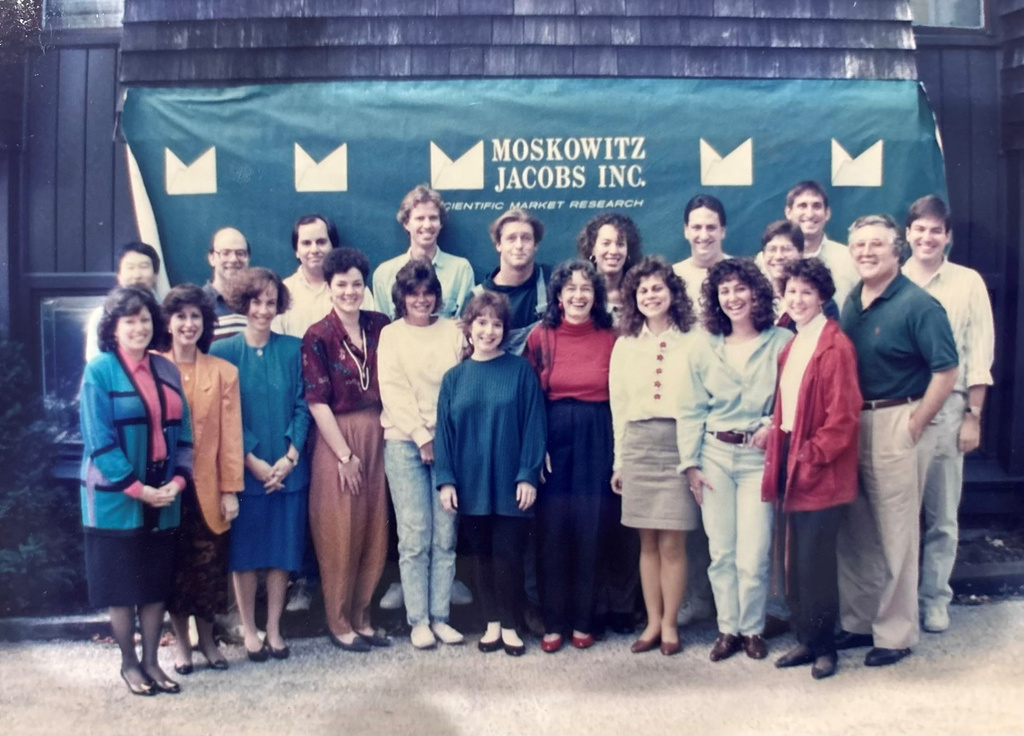
When my manager invited me to present my findings to management in Albany, I wasn’t just presenting statistics; I was acting as the literal “voice of the customer” for people who desperately needed to be heard. That was my light bulb moment. I realized I didn’t want to just crunch numbers. I wanted to use data to tell human stories and advocate for the person on the other end of the decision. I immediately rearranged my senior year schedule to add a graduate-level data analysis class, offered by my former Stats 101 professor. He mentored me that semester and steered me toward the private sector, noting I had a “marketer’s personality” that belonged in consumer research. Shortly after, I accepted my first job at Moskowitz Jacobs under the legendary Howard Moskowitz, and I’ve been giving people a voice ever since.
Most successful careers include a few pivotal decisions or turning points. Which moments changed the trajectory of yours, and why?
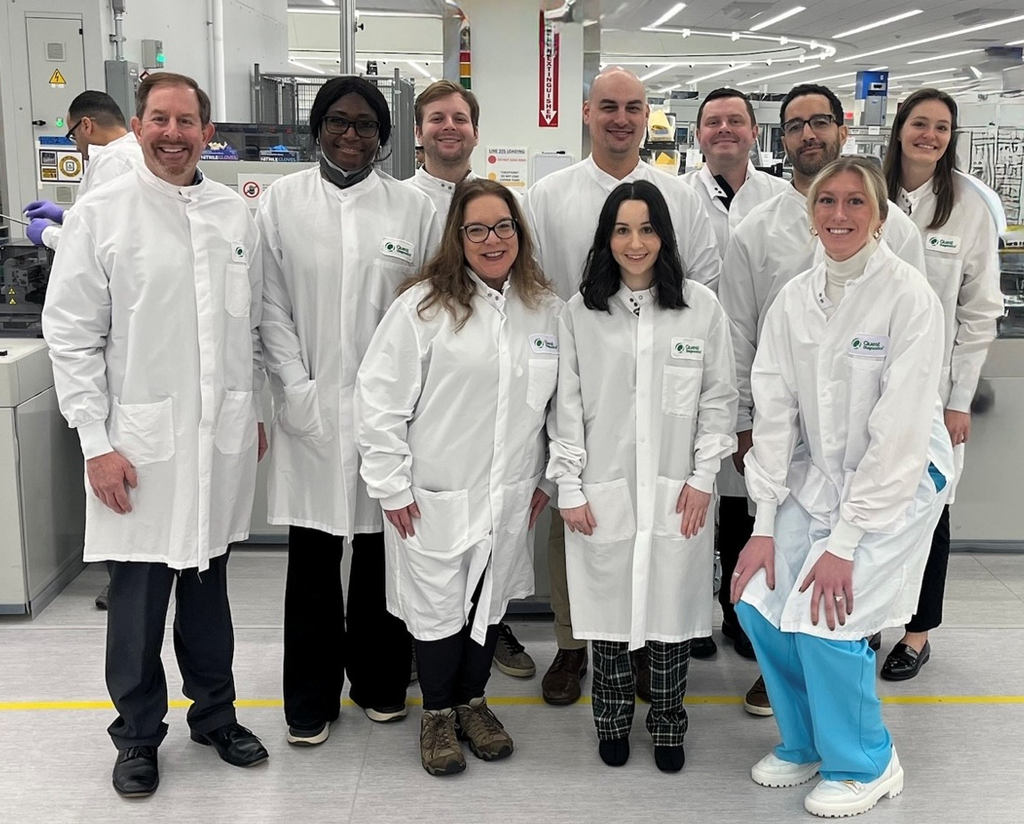
A major turning point for me was stepping out of traditional research silos to build cross-functional insight communities. At AIG, my team created and scaled “AIG Connections,” our online community, which brought together consumers, employees, and financial influencers. Taking that risk not only reduced our insight delivery time by 75% and delivered a 400% ROI in the first four months, but it also proved that insights could drive value for HR, IT, and operations, not just marketing.
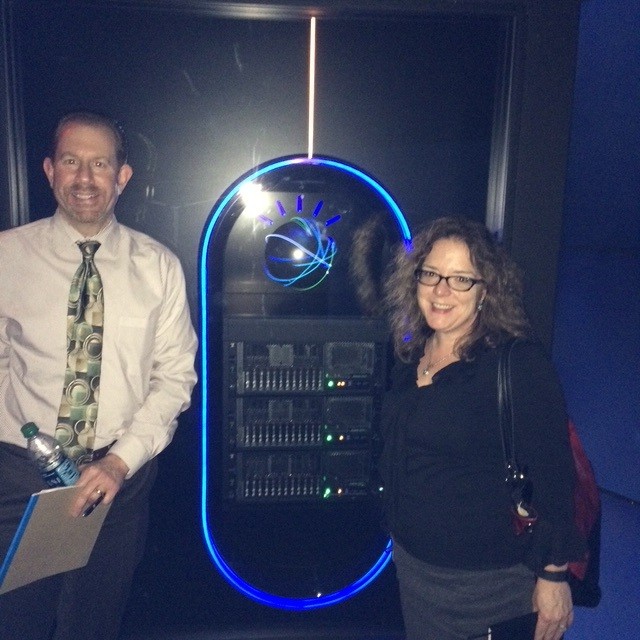
A more recent pivotal moment has been navigating the rise of GenAI. Rather than viewing it as a threat to our profession, I made the pivotal decision to proactively champion its ethical, collaborative integration into our research workflows at Quest. We are leaning into new frameworks using advanced tools to ingest and synthesize our research, cutting data analysis times by upward of 50%. In this transition, we named our AI partner “George.” By humanizing the tool, we removed the anxiety around automation. The lesson here was realizing that AI is not a replacement for human curiosity; it is a capacity-releasing partner. Delegating the manual, heavy-lifting synthesis to “George” frees up my team to do what they do best: think deeply, connect the dots, and act as high-impact strategic advisors.
Careers rarely follow a straight line. Can you share a setback, failure or particularly difficult period or challenge that taught you something important and still influences how you lead today?
The COVID-19 pandemic was a profound challenge. I found myself unemployed for over two years and facing the same deep uncertainties as everyone else. But that period forced me to shift my mindset and build resilience. I took the time to elevate my late Uncle Hank Virgona’s art legacy, as he passed away in May 2019. I acted as his art curator, building a website and Instagram page and hosting virtual gallery showings on Zoom to sell his art. I also committed to Orangetheory virtual workouts, building a supportive community that became my “tribe.” Pushing through those tough workouts taught me a mantra I still use in leadership today: “I can do anything for 60 seconds at a time.” It taught me that if you take care of your mind and body, and surround yourself with the right people, you can survive any setback.
What has kept you in this industry? After all these years, what still excites, challenges or motivates you to come back each day?
I love that I can lead and guide my colleagues from “eyes shut” to “eyes wide open.”
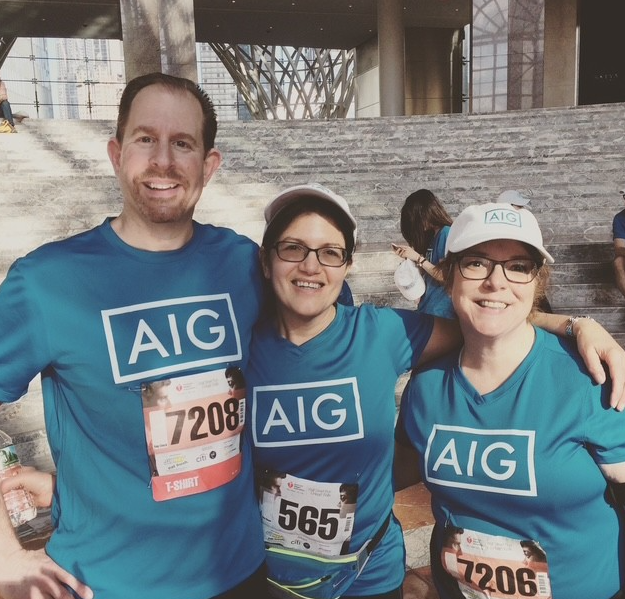
After three decades in the industry, the thrill of uncovering insights to solve complex business challenges still excites me. At Quest, my team and I serve as trusted strategic advisors from Marketing and Product to HR and M&A. Whether we are shaping upstream marketing strategy, guiding go-to-market decisions, or integrating AI into our research workflows, the work is always evolving. There is always a new story to tell.
Thinking back to your first five years in the profession, what do you know now that you wish you’d known then?
I wish I had fully understood that failure is just a stepping stone to success, provided you acknowledge it and incorporate the lessons into your next move. I also wish I had learned the rules of improv sooner! When you approach a problem knowing that everyone has an opportunity to share with no judgment, it becomes a game of “catch me if I fall.” You don’t need to have the perfect answer right out of the gate; you just need to be willing to build on the ideas around you.
Finally, I wish I had understood that listening is often the most undervalued skill in our industry. Sometimes you have to talk less, listen more. We don’t do enough of that. It’s critical to always start with the end in mind and ask, “What will we do with this?” before diving into the data.
If you were mentoring someone entering the industry today, what are the two or three qualities, behaviors or mindsets you would encourage them to develop above all others?
Be a storyteller, provide snackable insights to tell your story over and over. This helps to “seed the need” within your organization.
Be curious, take risks, and don’t be afraid to be a bit of a rule-breaker.
Seek out multiple mentors. I always encourage early-career researchers to get a mentor, and not just one. You need different voices from different functions, and even outside the company, to truly grow.
Network relentlessly, whether it’s through LinkedIn, industry groups, or even fitness communities, like me. When you go to conferences, practice the simple power of introducing yourself to whoever is sitting beside you. As I often say, “It’s a small but mighty industry… it’s always important to keep those doors open and maintain the relationships.”
No one succeeds alone. Who has had a meaningful impact on your career that you’d like to thank, acknowledge or shine a light on, and what did they teach you?
I think everyone in our industry knows Susan Fader; she and I have been close colleagues and friends for nearly 20 years, working in multiple roles and presenting at industry conferences together. Susan introduced me to Jeff Polevoy to network when he and I were both looking for jobs in the late 2000s. That one connection shaped the next decade of my career. When Jeff landed the Head of Insights role at Mastercard, I had the opportunity to interview and eventually join his team. When he moved to AIG, he brought me on board there. And after the pandemic, when I had been out of work for two years, it was Jeff who hired me once again at Quest. If it weren’t for Susan’s initial introduction and Jeff’s continuous sponsorship, trust, and belief in me, I quite simply wouldn’t be the professional or the person I am today.
My other great inspiration was my late Uncle Hank Virgona, a NYC artist who rode the subway to his studio until he was 89. He observed everyday people in their natural habitats and taught me that “the things you see out of the corners of your eyes are the things that are most important.” He helped me find my “why” and inspired me to manage his beautiful art legacy.
Looking ahead, what advice would you give to our industry? What needs to change, improve or evolve if we are to remain relevant, influential and impactful in the years ahead?
We need to strategically evolve the insights function from fulfilling tactical, ad hoc requests to driving high-impact strategic initiatives. As we integrate advanced technologies like AI, we must ensure we are elevating our internal talent alongside our tools. When talent feels coached, not just managed, they stay longer, grow faster, and bring more to the table. We need to invest in developing the next generation of insights leaders by providing mentorship, hands-on experience, and psychological safety.
If we want to shift our organizations from a product mindset to an insights mindset, we need to create safe spaces for our colleagues. It’s a journey, but one way you can do this is by launching open “office hours” (or as I like to joke, “happy hour”). It creates a dedicated space to help our partners navigate ambiguity in research, spotlight key projects, and elevate research literacy across the company.
Insights teams are perfectly positioned to serve as transformational leaders across the entire organization—we just need to take our seat at the table.