30Under30 Nominee: Yasmine Ayoub Sanusi
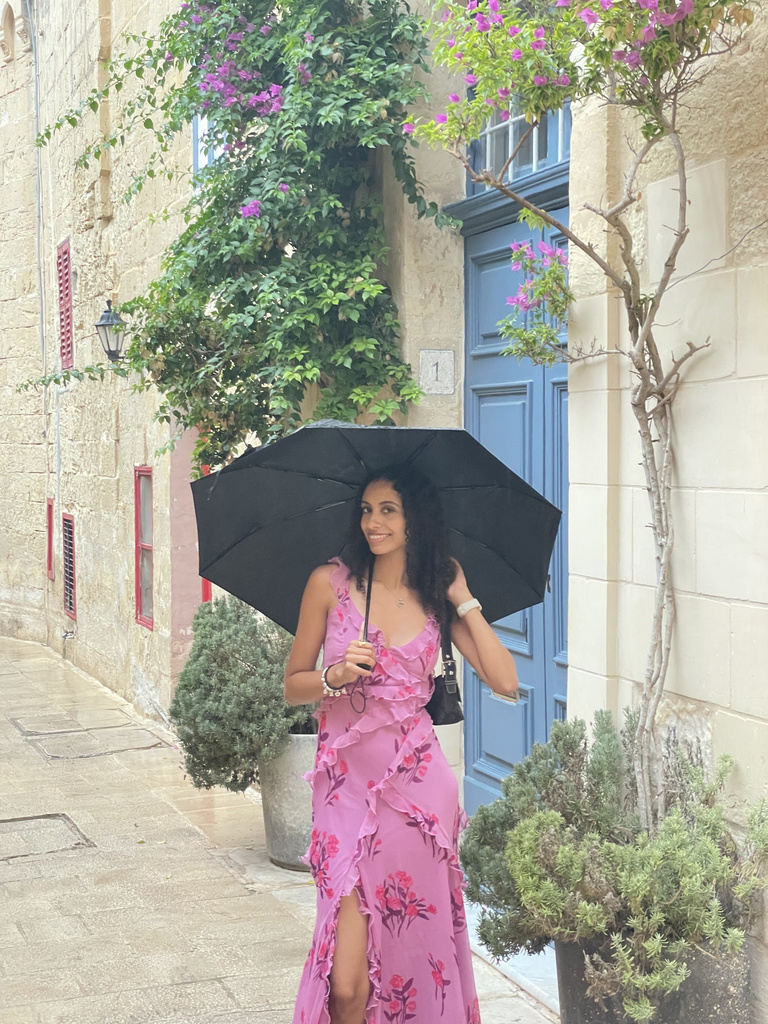
Great to hear from Global 30 Under 30 Nominee, Yasmine Ayoub Sanusi, a Client Services Associate at Vazen, based in London. Vazen (formerly VST) is a retail data AI platform that gives FMCG brands and retailers access to planogram data and quantitative shopper behaviour insights. Yasmine’s role spans market research and SaaS customer success. Yasmine is part of the Research team, running virtual shopper shelf tests end-to-end alongside two Directors and the Chief Research Officer, from writing survey scripts to presenting results to clients. On the platform side, Yasmine is the main contact for several of Vazen’s enterprise clients. Vazen entrusted Yasmine with clients early on and building those relationships has been one of her favourite parts of the job.
How did you find your way into research, data and insights?
I swapped building plans for planograms. I studied Architectural Engineering and Design Management, where I’d enjoyed analysing data for my dissertation. Then I moved to Australia where I worked in hospitality and realised how much I loved working with clients. My degree naturally leads into the construction industry, but I found my interests had shifted. Vazen stood out for how it brings shopper and retailer data together. It was fascinating to see how much a small change on a shelf, like moving a product or adding signage, can shift what people buy, and how our clients shape the shelves in the grocery stores we all shop in. What’s kept me in research is the variety. On a single project I might be working with clients, managing the timeline, analysing the data and presenting the results, and with 10 projects live at once, I love balancing that mix.

What part of your work are you most proud of and why?
Delivering research that clients use to make commercial decisions within my first 18 months and building AI tools that make project delivery more efficient, is what I’m most proud of. I see a project from the first conversation about the client’s objectives to the moment they act on the result, for example whether a new product will grow category spend, what shoppers think of it and where it should sit on the shelf. Research that changes a decision is what really helps clients make recommendations to retailers. To make more room for that thinking, I built AI tools to handle the manual parts of a project. With the survey scripting tool, we can now set up and launch three projects in two days, when one used to take a few days. The planogram converter I vibe coded proved so valuable to the team that it was raised in our priority meetings, and our engineering team is now building it into the platform so non-technical users and clients can convert files themselves.
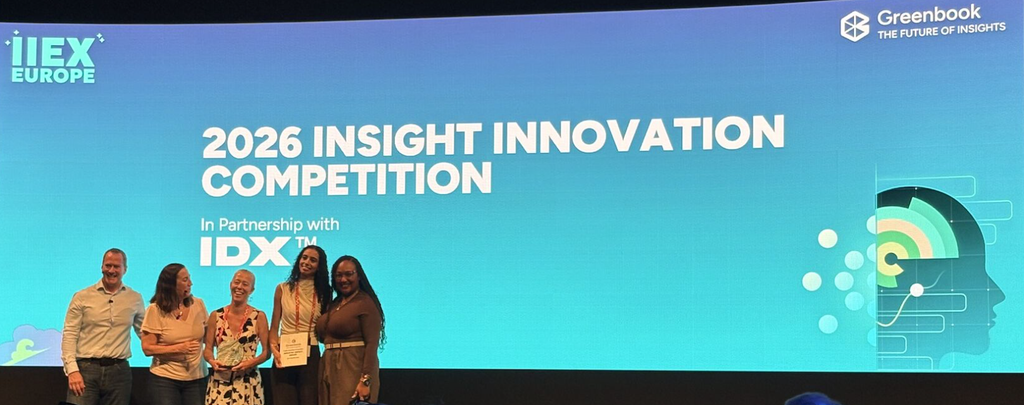
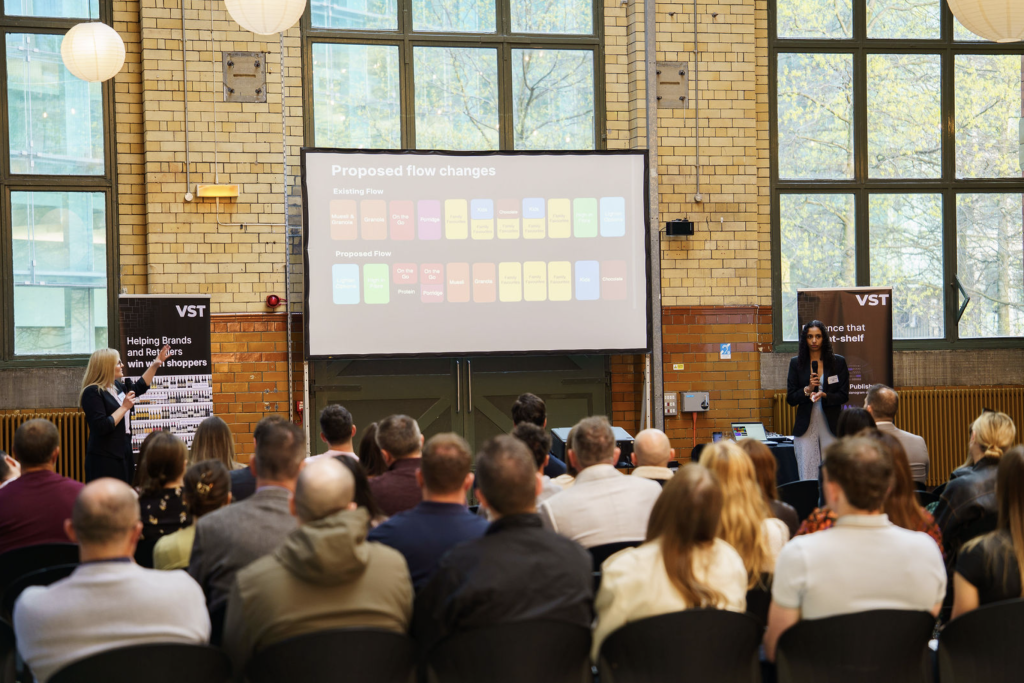
I’ve also shared our work on stage. At our own What’s in Store conference, I presented alongside a client to an audience of brands and retailers, showing how they used our platform to build a recommendation for a retailer and what it achieved. At IIEX Europe, Charlotte and I presented for Vazen as one of five finalists in the innovation competition, with five minutes and a live demo to make our case, and we won two awards.
What have you learned so far that you wish you’d known when you started your career?
Working in insights in a startup means wearing a lot of hats and learning on your feet, especially with the hyper growth of AI in 2026. There isn’t always someone who has done a task before, so you figure it out as you go. For me, that’s meant learning to script surveys, then working in the XML to make more complex changes, and learning how to balance and prioritise. At any one time, I might have a questionnaire being drafted, a few surveys in field, data being cleaned and a results deck due, alongside looking after SaaS clients, and early on I gave all of it the same urgency. Being fairly new to the industry, I’ve also had my fair share of imposter syndrome, especially presenting to clients who have worked in their category for years. What’s helped is realising my confidence doesn’t have to come from experience. It can come from the data. If I’ve built the survey properly and checked the numbers, I can trust them, and so can the client. Alongside advice from my managers, AI has helped a lot, and I’ve taught myself to vibe code small tools that take care of the repetitive parts of a project.

What excites you most about the future of insights and what would you like to help change?
How much faster good research can be done, and how clients are increasingly using research data (shelf tests in our case) for internal decisions and external recommendations. Clients often need an answer before a retailer meeting or range review and traditional research timelines don’t always fit that. With AI speeding up operational processes, we can get robust shopper evidence back in days, not weeks. Across the industry, I think AI will change what a researcher’s day looks like: less time on manual set-up and cleaning raw data and more on answering the right questions, spotting what doesn’t look right and turning results into a story clients can use. Our generation is well placed for that, because we’re happy to build the tools ourselves rather than wait for someone else to.
What I’d like to help change is how intimidating the industry can feel when you’re new to it, with all the jargon and complexity, while also learning to use AI well. I know that feeling, because I came into research from a different background with so much to learn. I’d like to help make the industry feel more open to anyone who’s interested in it and show that curiosity and a willingness to learn count just as much as experience.
What advice would you give someone just starting out in the industry today?
It can be daunting learning the ways of working, the abbreviations and how to build a good report then controlling your nerves to present. Don’t be put off by being new. You might feel nervous, or like an imposter, because you’re the least experienced person in the room. But it’s important to remember that you are in the room and a fresh pair of eyes is often exactly what’s needed. Jumping headfirst into a project is one of the quickest ways to learn and it’s something I’m still doing. Say yes to working with raw data early on, even if it looks overwhelming, because understanding where the numbers come from makes you far better at explaining what they mean. And say yes to new things in general, whether that’s survey scripting, building client relationships or project set-up, because every part you pick up builds your confidence.
Who has helped you along the way?
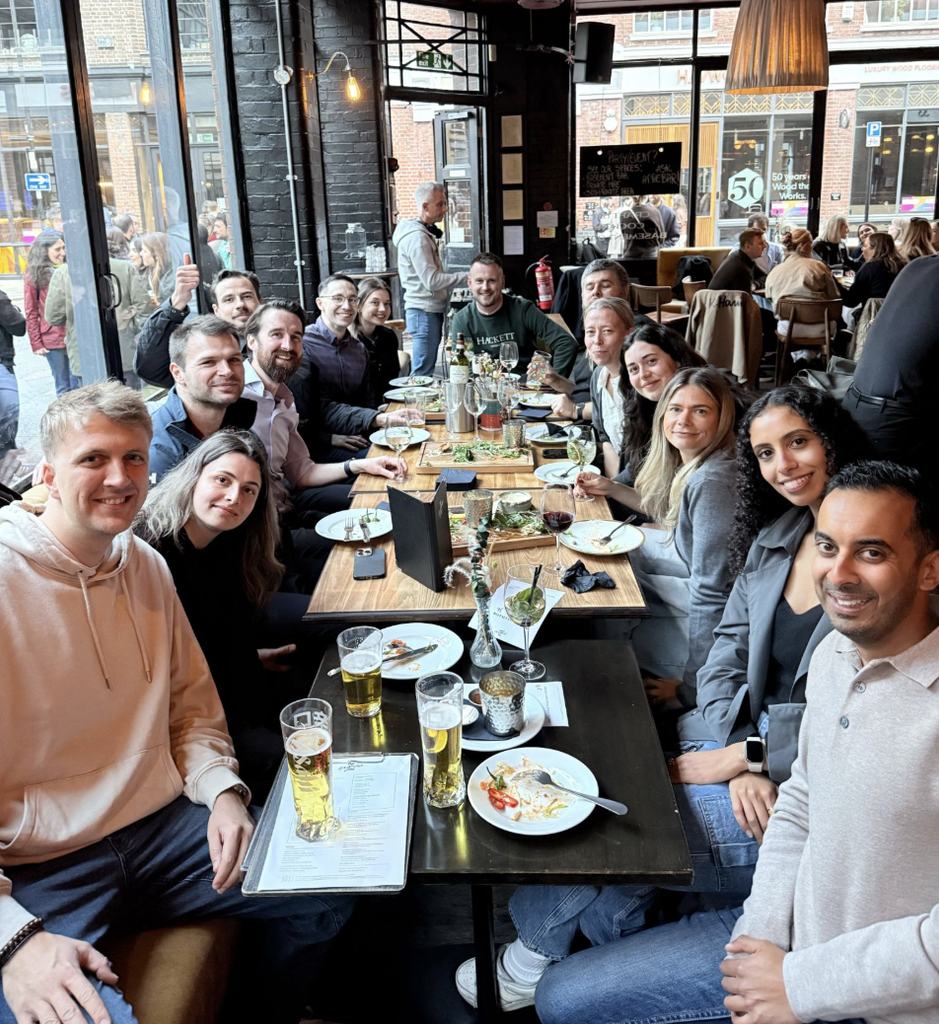
I’ve been lucky to work closely with three very experienced people at Vazen: Charlotte, our Chief Research and Partnerships Officer and our directors Jenny and Olly. Each of them works differently, so I’ve had three views on how to run a project, tell an insightful story and approach the analysis. As my manager, Charlotte has pushed me since I joined to be confident in storytelling with data, and she’s trusted me with big moments, from speaking with clients to pitching alongside her at IIEX Europe. That trust has helped me believe in my own work. Olly brought a new perspective to research for me, and we think in a similar way, so when he explains something, it clicks. Jenny has an operational mind and she’s inspired me to improve our processes. Learning from three different styles has helped me work out my own.
I’d also like to thank Nick, our CEO and co-founder, for backing me to take on responsibility and get to know our clients early on. At a startup, that support from the top makes a real difference. There is always a way to add value.