30Under30 Nominee: Shruti Verma
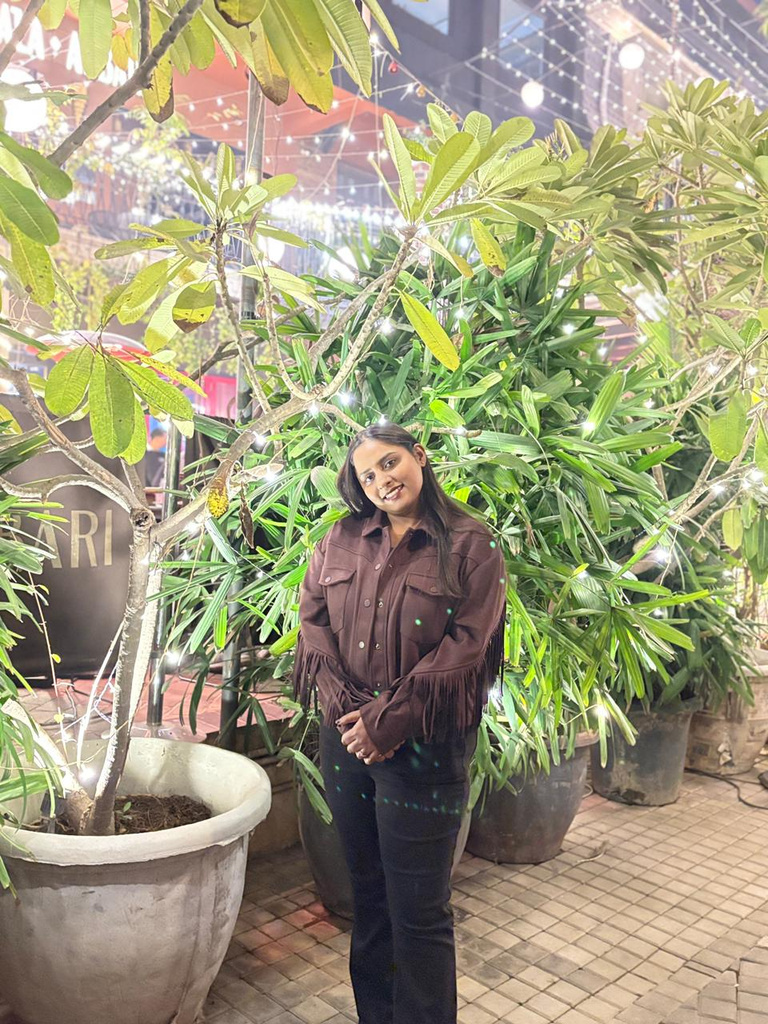
Great to hear from Global 30 Under 30 Nominee, Shruti Verma, who decodes why people buy, believe and walk away long before the data ever shows up in a chart. As Senior Research Executive at SixthFactor Consulting, based in India, Shruti spends most of her time getting brands out of the boardroom and into real conversations across India and the Middle East. Shruti uses qualitative research and brand semiotics to turn gut feelings into evidence-backed strategy for names across FMCG, spirits, beauty and retail. Shruti doesn’t just report what consumers say, she reads what they mean. Outside work, you’ll usually find Shruti hunting down new cafes, experimenting in the kitchen or picking up a new skill.
How did you find your way into research, data and insights?
If you’d told me a few years ago that I’d end up in market research, I wouldn’t have believed you. I studied biology; insights and consumer behaviour weren’t even on my radar. My first real job was as an Operations Executive handling AR billing for US clients, and, for a while, that was fine. But the work grew repetitive, and I reached a point where I knew I wanted something more.
Around that time, I found myself spending a lot more time on LinkedIn, half looking, half just curious about what else was out there. That’s when a friend mentioned her team was hiring for a research analyst role. I didn’t have a background in it, but I gave the interview a shot anyway and got selected. I still remember how quickly I started enjoying it, especially the actual conversations with consumers. That part came naturally to me.
It didn’t take long to realise that the real magic in this job isn’t the data itself. It’s the “why” hiding underneath it; the stories people tell you without meaning to. That one realisation changed the kind of work I’ve chased ever since; work that lets me dig into human behaviour and turn it into something a brand can genuinely act on. Years later, that curiosity hasn’t faded a bit, and I still feel proud every single day that I get to make a real impact in this industry.

What part of your work are you most proud of and why?
Two things stand out for me. The first is the sheer privilege of moderating sessions across different places. Travel has let me sit across the table from people from all kinds of backgrounds, taste new food, understand different cultures and walk away having learned something from almost every single one of them.
The second, and honestly the bigger one, is watching a client accept our findings and actually implement them. There’s a real moment of pride in seeing a recommendation move from a research deck into something that changes a product, a campaign or a brand’s direction because, at that point, it’s not just research anymore, it’s impact on real people’s lives.
What have you learned so far that you wish you’d known when you started your career?
When I started out, I genuinely believed research was a fairly simple exchange: you ask the right questions, people give you answers and you write those answers down. It took me a good couple of years to realise that’s only the surface of the job. The real insight almost never arrives as a clean, direct statement. It’s hiding in the pause before someone answers, in the moment their tone shifts, in the gap between what a person says they do and what they actually do when you dig a little deeper. I wish someone had told me early on to stop listening for “the answer” and start listening for what’s sitting underneath it because that’s where the “why” actually lives, and that’s what turns a transcript into something a brand can genuinely act on.
The other thing I wish I’d learned sooner is that protecting your own space matters just as much as chasing the next project. Early in my career, I said yes to every weekend and every last-minute ask because I thought that’s what commitment looked like. What I didn’t understand then is that you can’t keep showing up with curiosity and empathy for other people’s lives if you never give yourself the time to just sit still and rest. That balance isn’t a distraction from doing good work, it’s what makes good work possible in the first place.
What excites you most about the future of insights and what would you like to help change?
What excites me most is watching AI expand what’s possible in insights from processing volumes of data we could never manually sift through, to speeding up how quickly a brand can act on what consumers are telling them. But the excitement comes with a responsibility I think about a lot. AI can tell you patterns, but it can’t sit in a room and feel the hesitation in someone’s voice or notice the story a respondent tells you instead of answering the question directly. That’s still deeply human work. So, the future I want to help build isn’t AI replacing that instinct, it’s AI freeing us up to spend more time on the qualitative, human side of research, while we build in the right safeguards so the insights we deliver stay authentic and don’t get diluted into something generic.
I’d also love to help change how visible this industry is. Research quietly shapes what brands build, say and change, but it rarely gets the spotlight the way advertising or design does. Like a lot of people in this field, I didn’t set out to become a researcher. I found it by accident. I’d like to be part of showing students and young professionals that this is a genuinely exciting, high-impact career, not something you fall into only because a friend happened to mention an opening the way I did.
What advice would you give someone just starting out in the industry today?
There are two pieces of advice I’d give anyone starting out. First, stay curious about everything. How the data is collected, why people answer the way they do, how clients actually use the insights and what new tools are changing the game. Never stop asking “why,” even when it feels too basic to ask out loud. Curiosity is what keeps this work interesting, and it’ll teach you faster than any job title or training programme ever will.
Second, pick a niche and go deep. Data quality, questionnaire design, respondent psychology or AI in research, it doesn’t matter what, as long as it genuinely excites you. Become the person who knows that one thing better than anyone else in the room. That’s how you stop being “just another employee” early in your career. People start coming to you for your take, and that’s how credibility and real impact build faster than you’d expect.
Who has helped you along the way?
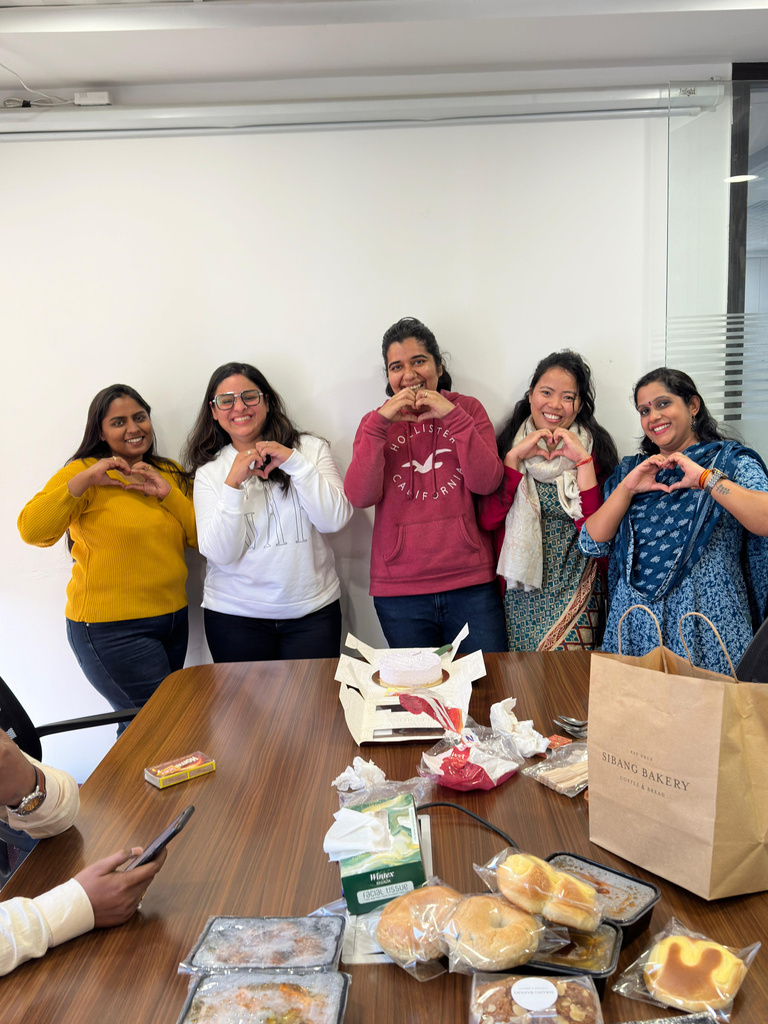
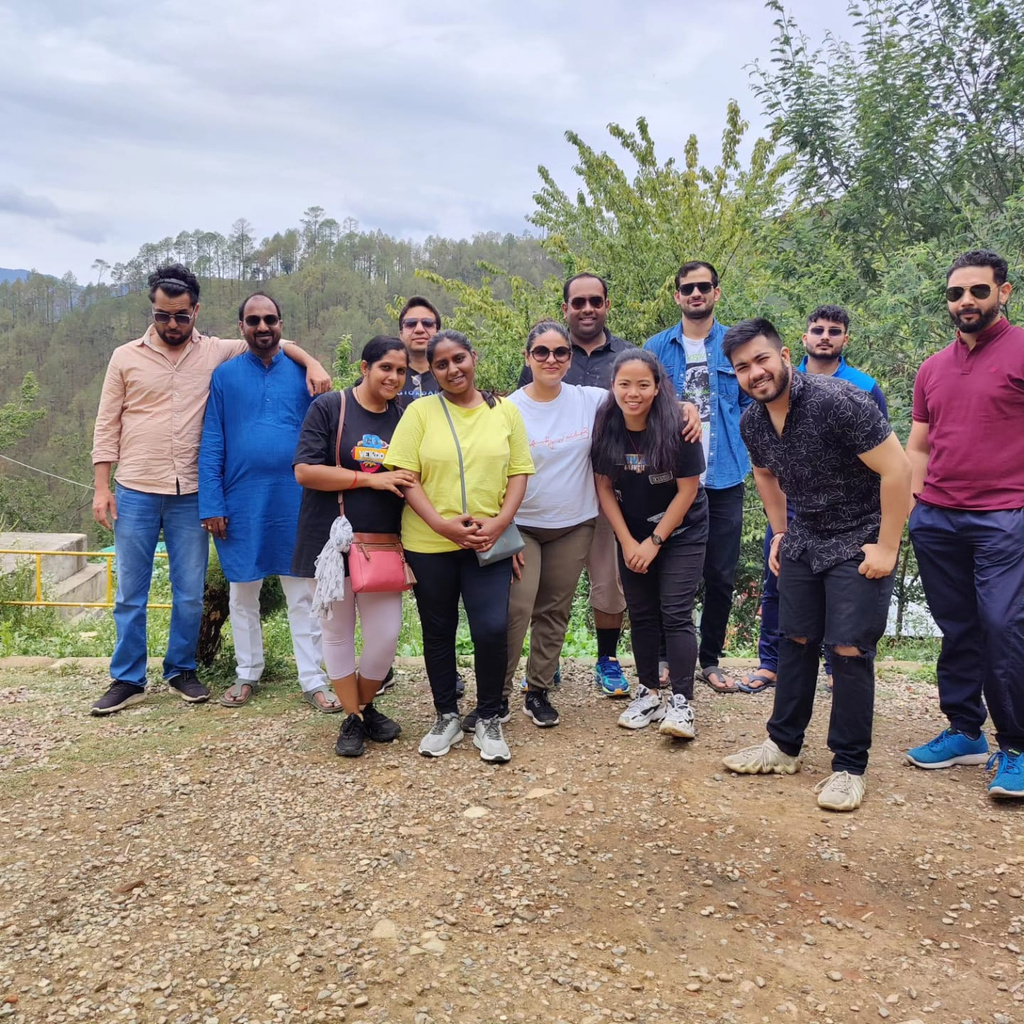
I am incredibly grateful for all my managers across my career who have provided me with lots of wisdom and support. In particular, I want to thank Smriti Singh Bhatia, who taught me so much and gave me invaluable opportunities at the start of my career. I also want to thank Priya Royzada and Ayushi Rastogi who were always there for me, no matter how big or small my issue, and really helped me navigate through stressful periods. I want to thank the whole team I work with at the SixthFactor Consulting for their support whenever I need it.
Lastly, I would like to thank my parents, friends and family members who are always there for me and will be there for me.