30Under30 Nominee: Sheldon Ncube
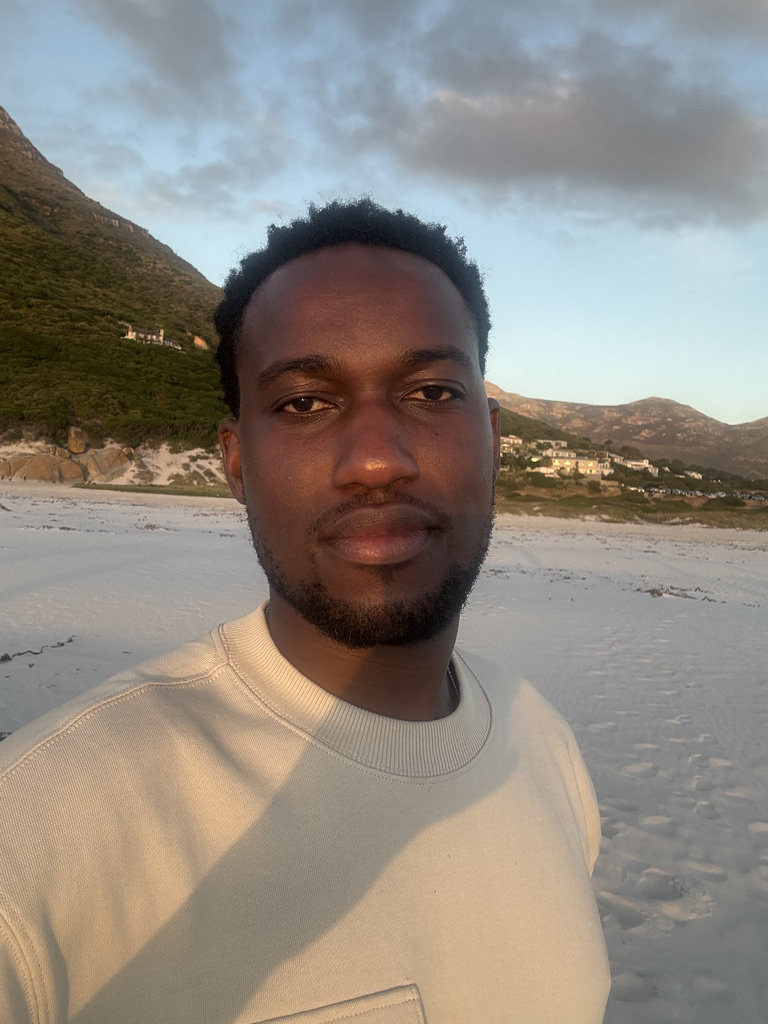
Great to hear from Global 30 Under 30 Nominee, Sheldon Ncube, who is an Insight Consultant at KLA (Kaufman Levin Associates), a research consultancy firm based in Johannesburg, South Africa. Sheldon specialises in quantitative consumer research, applying analytical and statistical techniques to complex datasets to uncover consumer behaviours, emerging patterns and the underlying factors influencing decision-making. Sheldon’s role involves translating these findings into commercially relevant insights, developing strategic recommendations and presenting them to clients across industries including financial services, insurance, automotive, quick-service restaurants and beverages, ultimately helping businesses make informed decisions grounded in a deeper understanding of their consumers. Beyond Sheldon’s job, he considers himself to be an easy-going person who enjoys participating in outdoor activities and spending time with friends and family.
How did you find your way into research, data and insights?
My interest in research began long before I understood what a career in the industry would look like. Growing up, I was fortunate to be exposed to the profession through my mother, who worked in research, and a mentor who owned a research business. Their influence sparked my curiosity from a young age and planted the ambition of one day pursuing a career in the field.
However, while I knew research was something I wanted to explore, I was not entirely sure which academic path would lead me there. I ultimately pursued a degree in Economics, which, in hindsight, provided a valuable foundation in analytical thinking, interpreting data and understanding human and market behaviour.
After completing my studies, I began exploring graduate opportunities and was fortunate to join KLA as a Graduate Researcher. What followed was an exciting and, at times, challenging learning journey. After completing the graduate programme, I was promoted to Associate and, a year later, to consultant, the position I hold today.
Over the past four and a half years, I have had the opportunity to work across different industries, research methodologies and complex client challenges, each experience broadening my technical capabilities, commercial understanding and appreciation for the role research plays in business decision-making. My journey has also led me to become actively involved with the Southern African Marketing Research Association (SAMRA), where I currently serve as Johannesburg Chapter Chairperson.
Looking back, what started as an interest inspired by those around me has developed into a genuine passion for understanding people, uncovering insights and contributing to an industry that continues to challenge and inspire me.

What part of your work are you most proud of and why?
There are several milestones I look back on with pride, but what stands out most is the personal and professional growth I have experienced since entering the industry.
Although I had an early interest in research, I entered the profession with very little practical understanding of what it truly involved. Like many young professionals finding their feet, I often questioned whether I was capable enough or whether I genuinely belonged in the industry. Overcoming that self-doubt has been one of my most significant personal achievements.
Through continuous learning, perseverance and a willingness to step outside my comfort zone, I have gradually built confidence in my abilities and established my place within the profession. Along the way, I have had the privilege of contributing to complex research programmes across different industries, translating consumer data into insights that inform important business decisions.
One particularly meaningful milestone was being entrusted by KLA’s leadership to spearhead internal training initiatives aimed at helping incoming researchers understand our processes, analytical approaches and reporting techniques. Developing and facilitating these sessions made me realise just how much I had grown. More importantly, it was an affirmation of the confidence my organisation had placed in me, not only to deliver quality work but also to contribute to the development of others.
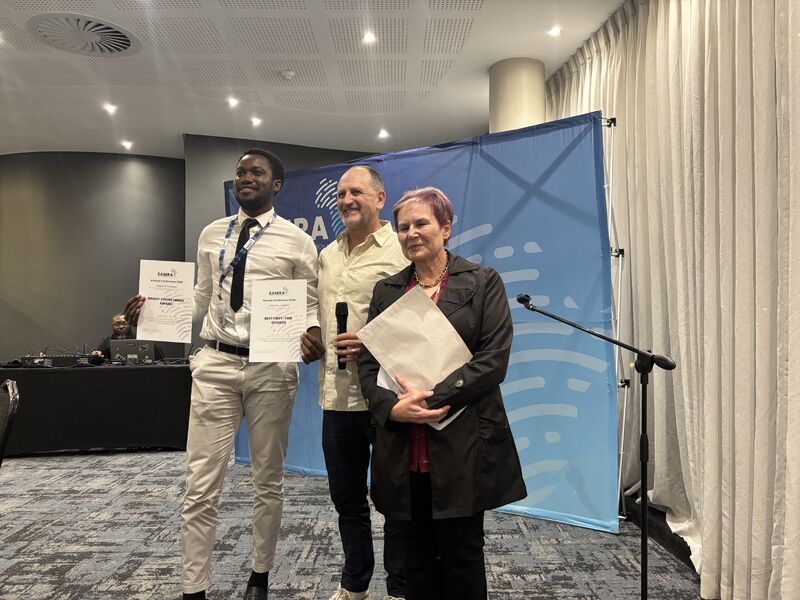
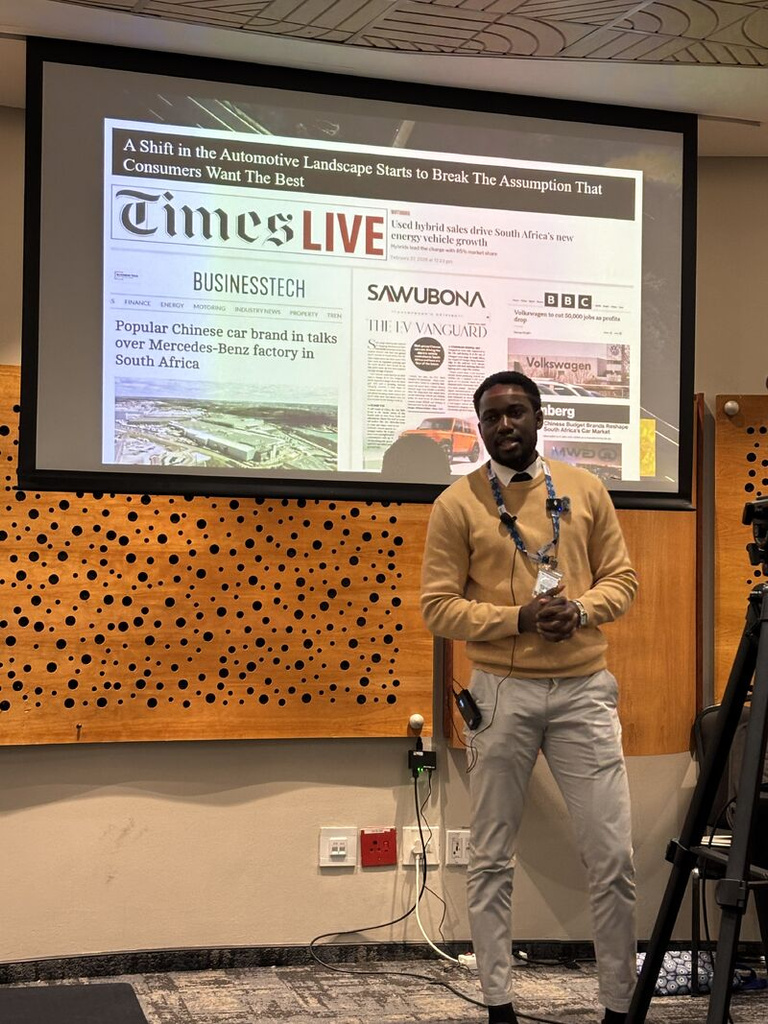
Another defining moment was receiving the Best First-Time Speaker Award and the Bright Young Minds Award at the 2026 SAMRA Annual Conference. To be recognised by an industry association that represents some of the most accomplished minds in research was both humbling and incredibly rewarding. It reinforced my belief in the value of the work I do and the contribution I can make to the profession.
Ultimately, what I am most proud of is not any single award or promotion, but the transition from someone who once questioned whether he belonged in the industry to someone who is now trusted to develop others, contribute to important client decisions and play a role in shaping the profession’s future.
What have you learned so far that you wish you had known when you started your career?
One of the most valuable lessons I have learned is that you do not need to have everything figured out from the beginning, whether it is your career path or the next project you are expected to deliver.
Early in my career, I often placed unnecessary pressure on myself to have all the answers. With experience, I have come to appreciate that professional growth is not about knowing everything, but about remaining curious, being willing to learn and embracing the experiences that challenge you.
I have also learned the importance of making use of the people and resources around me. Asking questions is not a sign of weakness and making mistakes does not mean you are incapable. Some of my greatest learning experiences have come from taking initiative, getting things wrong and having the humility to seek guidance when needed.
With that said, there is a principle I have come to appreciate: You know what you know, but you don’t know what you don’t know. The only way to bridge that gap is to put yourself in situations that expose you to new perspectives, unfamiliar challenges and different ways of thinking.
If there is one thing I wish I had understood earlier, it is that the journey itself is just as important as the destination. Every challenge, conversation and learning opportunity contributes to the professional you eventually become. The key is to remain open to those experiences rather than becoming so focused on the end goal that you overlook the value of getting there.
What excites you most about the future of insights and what would you like to help change?
What excites me most about the future of insights is the growing recognition of the value our profession brings to businesses and society, alongside the technological advancements that are fundamentally changing how we understand consumers.
Research is increasingly moving beyond simply collecting and interpreting data towards becoming a more influential strategic partner in business decision-making. With advancements in artificial intelligence, predictive analytics and digital research methodologies, we now have opportunities to generate deeper insights, improve efficiencies and respond to changing consumer behaviour with greater speed and precision.
However, while technology presents tremendous opportunities, I believe the true value of research will always lie in our ability to understand people. AI can help us process information and identify patterns, but it takes human curiosity, critical thinking and an appreciation of consumers’ lived realities to translate those findings into meaningful recommendations. For me, the future is not about technology replacing researchers, but about equipping researchers to become more effective, commercially minded and strategically influential.
Equally exciting is the opportunity to make the profession more visible and accessible to the next generation. Having entered the industry without a clear understanding of the career opportunities available, I recognise that there are many talented young people who could thrive in research but have simply never been exposed to it.
This is where I believe my generation has an important role to play. We have an opportunity, and increasingly a responsibility, to bridge the gap between established industry expertise and emerging talent by embracing innovation, sharing knowledge and creating platforms for learning and development.
Through my involvement with SAMRA and the opportunities I have had to train young researchers, I have come to appreciate the importance of creating environments where knowledge is shared rather than guarded.
Ultimately, I want to contribute to building a more inclusive, innovative and collaborative insights profession, one that not only embraces technological change but also actively develops the people who will shape its future. I believe Africa has an important contribution to make to the global insights landscape, and I want to play an active role in ensuring that more young African researchers have the opportunity to make their mark.
What advice would you give someone just starting out in the industry today?
My advice would be to embrace the learning journey, remain curious and resist the pressure to become an expert overnight. Research is a profession that rewards patience, critical thinking and a genuine willingness to understand people, and those capabilities take time to develop.
One of the first things I would encourage young researchers to do is identify where their natural strengths and interests lie. Whether you are drawn to the analytical nature of quantitative research or the exploratory and interpretive aspects of qualitative research, developing a strong foundation in one discipline can provide the confidence and technical grounding needed to broaden your expertise over time. There is tremendous value in being versatile, but I believe that versatility becomes far more meaningful when it is built on a foundation of genuine competence.
I would also strongly encourage young professionals to invest in their communication and presentation skills. Being able to analyse data is one thing, but being able to translate that analysis into a compelling narrative that resonates with stakeholders is what elevates a researcher into a trusted advisor. Some of the most valuable insights can lose their impact if they are not communicated clearly and confidently.
Perhaps most importantly, I would encourage those starting out to prioritise learning and mastery over immediate financial rewards or job titles. Ambition is important, and there is nothing wrong with wanting to progress, but I firmly believe that sustainable career growth comes from building capabilities that justify the opportunities you aspire to.
Moving quickly through positions without taking the time to develop the necessary skills can create knowledge gaps that become increasingly difficult to address as responsibilities grow. Rather than measuring success solely through promotions or remuneration, I would encourage young researchers to consider how much they have learned, the value they are contributing and whether they are becoming better at their craft.
Ultimately, focus on becoming exceptionally good at what you do, remain open to guidance and never underestimate the value of experience. Recognition, opportunities and financial progression are far more rewarding when they are supported by a strong foundation of knowledge and capability.
Who has helped you along the way?
I have been incredibly fortunate to have several individuals who have played meaningful roles in my personal and professional development. While it is difficult to attribute my journey to any one person, there are a few people whose belief in me, guidance and willingness to create opportunities have been instrumental in shaping the professional I am today.
Firstly, I want to acknowledge the executive leadership at KLA, particularly Stephanie Matterson, Jenni Penachini, Caitlin Bauresthine and Babalwa Donkrag. From my initial appointment as a Graduate Researcher through to my subsequent promotions, they have consistently demonstrated confidence in my potential and provided opportunities for me to grow. Their decision to entrust me with developing and facilitating internal training initiatives was particularly meaningful, as it reinforced their belief in my ability to contribute beyond my immediate responsibilities.
I am also deeply grateful to Samantha Payne, who encouraged and put me forward to present at the SAMRA Annual Conference. That opportunity ultimately led to me receiving the Best First-Time Speaker Award and the Bright Young Minds Award, two achievements that have become defining milestones in my career. Her willingness to recognise my potential and create a platform for me to demonstrate it is something I will always appreciate.
A special acknowledgement must also go to my manager, Jason Viviers, who has played a significant role in developing my technical capabilities, particularly within quantitative research. His mentorship, patience and willingness to share his knowledge has contributed immensely to my growth as a researcher and to the confidence I have developed in my work.
Beyond these individuals, I remain grateful to my mother and the mentor who first introduced me to the world of research. Their influence planted the seed that eventually became my career.
If there is one thing my journey has taught me, it is that while personal determination is important, growth is rarely achieved in isolation. I am where I am today because people took the time to invest in me, challenge me and create opportunities for me to succeed. It is a responsibility I now intend to carry forward by doing the same for others.