30Under30 Nominee: Alex Dobromir
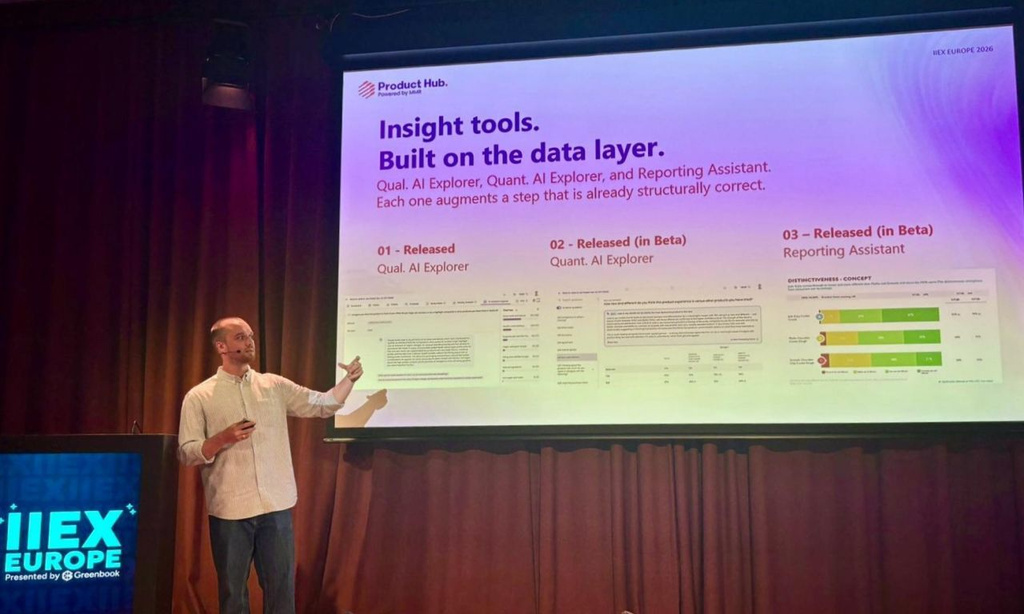
Great to hear from Global 30 Under 30 Nominee, Alex Dobromir, Lead Product Manager for Product Hub by MMR Research, the global product intelligence ecosystem for consumer and sensory data for FMCG. Alex is an Economic Psychology graduate, Agile Certified Practitioner and has been involved in academic research and brand-side insights in the past, which gives him a great position to work with clients, researchers and software engineers and data scientists to build research technology and shape how insights are delivered for physical products. Alex is based in the Netherlands, in Rotterdam, but he works with a great global team that spans 10+ countries and most continents (they are missing Antarctica). Outside work, Alex is passionate about cycling and endurance sports, photography (analogue and digital) and social issues.
How did you find your way into research, data and insights?
I have always been passionate about research, especially social research, along with cognitive psychology. In university, I completed a research apprenticeship, co-authored papers and generally loved statistics applied to populations. When I discovered how that applies to the real world through behavioural economics and marketing and communication, I shifted gears towards more applied research and towards the insights field, and MMR has played a big role in that, as I landed here as an intern years ago. All that background has allowed me to help build research products, especially AI-powered ones, because they truly are at the intersection of cognitive science and social research. Funnily, in a way, I have been training to do this before I knew I wanted to do it.
What part of your work are you most proud of and why?
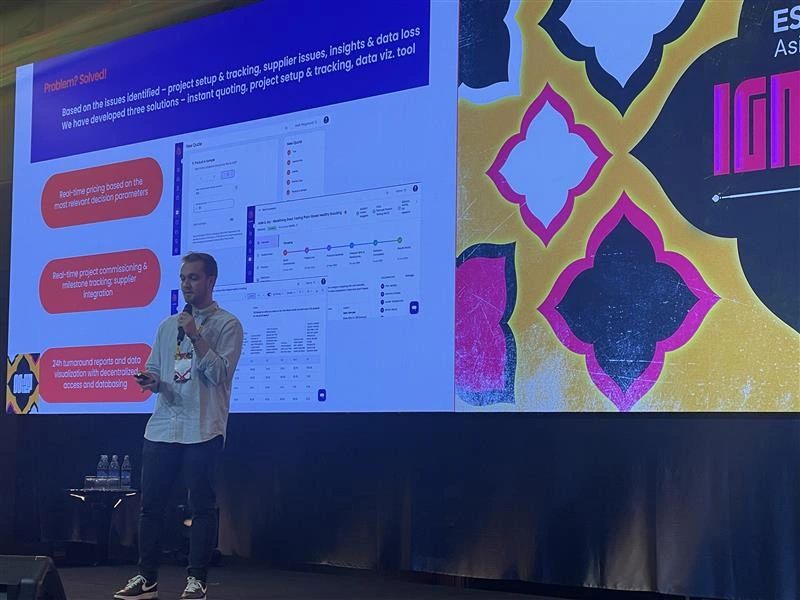
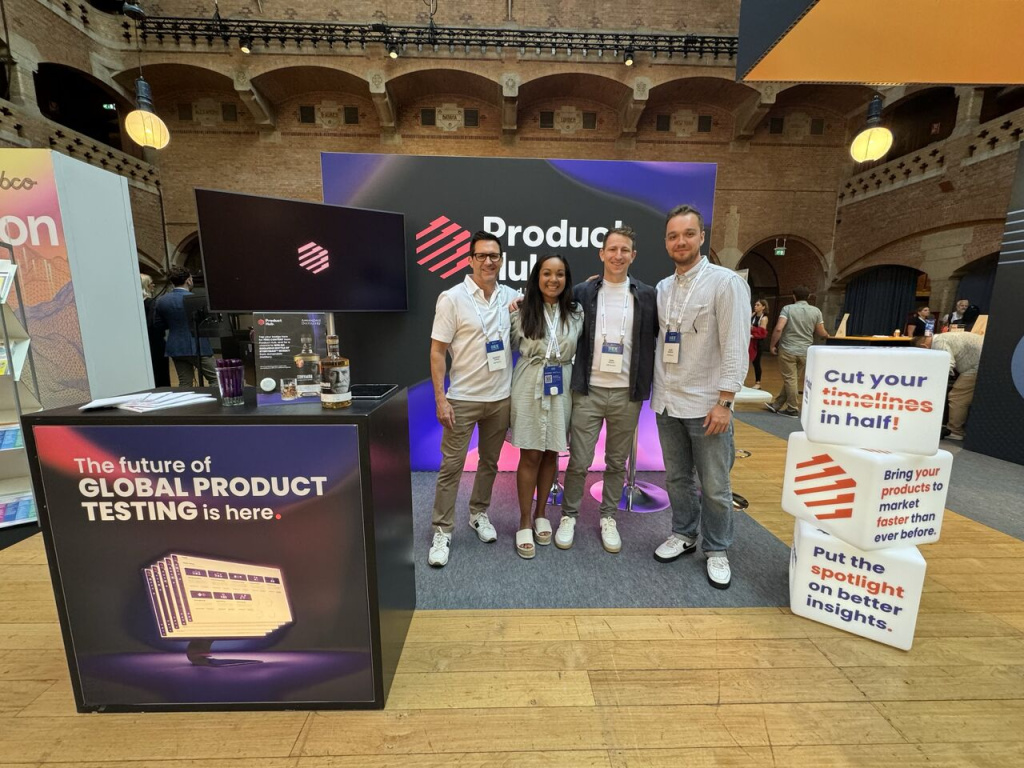
Building Product Hub from 0-1 has been an immense challenge, but also a truly rewarding one. We’ve set out to change truly how insights are delivered for physical products, thinking there must be a better way of collecting, storing and aggregating data, but also that research should be faster, more impactful and should run in more ongoing cycles. It took us years of building, testing, changing and rebuilding to be where we are now, but I believe we are the biggest global platform for product testing and insights. To do that, we’ve had to transform an organisation (MMR) from an expert agency to a tech-enabled business and to introduce different roles, teams and ways of working like lean and agile and continuous experimentation. We’ve done all of this right during the new wave of AI products, which has added a whole different layer of complexity to the product and strategy. I believe we now know who we are, where we’re going and have landed on what our role in the industry is: the product intelligence ecosystem, expert-built, AI-led and consultancy-supported. To be here and be able to be part of this journey and now mentor other product managers in doing this type of work is truly rewarding and definitely something I can say I am proud of.
What have you learned so far that you wish you’d known when you started your career?
While it may sound a little bit cliché, I still dare say it. Considering the pace of technology and of societal changes and trends at the moment, I wish I’d known that the best skill to have is to be able to quickly learn new things, to adapt and to be curious. Insights and the social sciences are not just about hard skills and methodologies. Above an assumed baseline, they are more about finding new and innovative ways to make sense of the world and people in it. Letting go of ideas, trying new things and being ready to embrace different ways of approaching things – people, research and technology – that is the only thing that stays constant.

What excites you most about the future of insights and what would you like to help change?
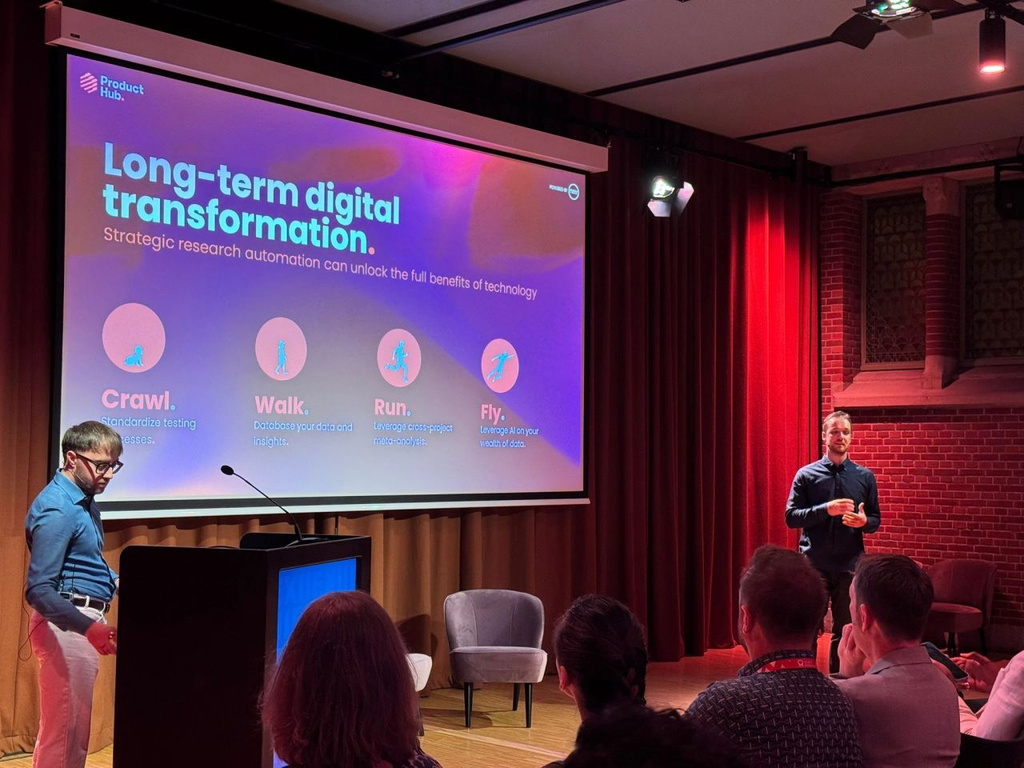
I think we are at a crossroads right now. You can hear everyone talking about AI, intelligence systems and compounding data or ‘always-on’ research that helps bring the consumers in the decision-making loop and supports more informed, data-driven decisions. But, truly, I think the benefits of that are still only just starting to show. I believe we, as insights professional, are responsible for creating the use cases that new technologies like AI have unlocked, and of landing those in our respective organisations or support our partners in doing so.
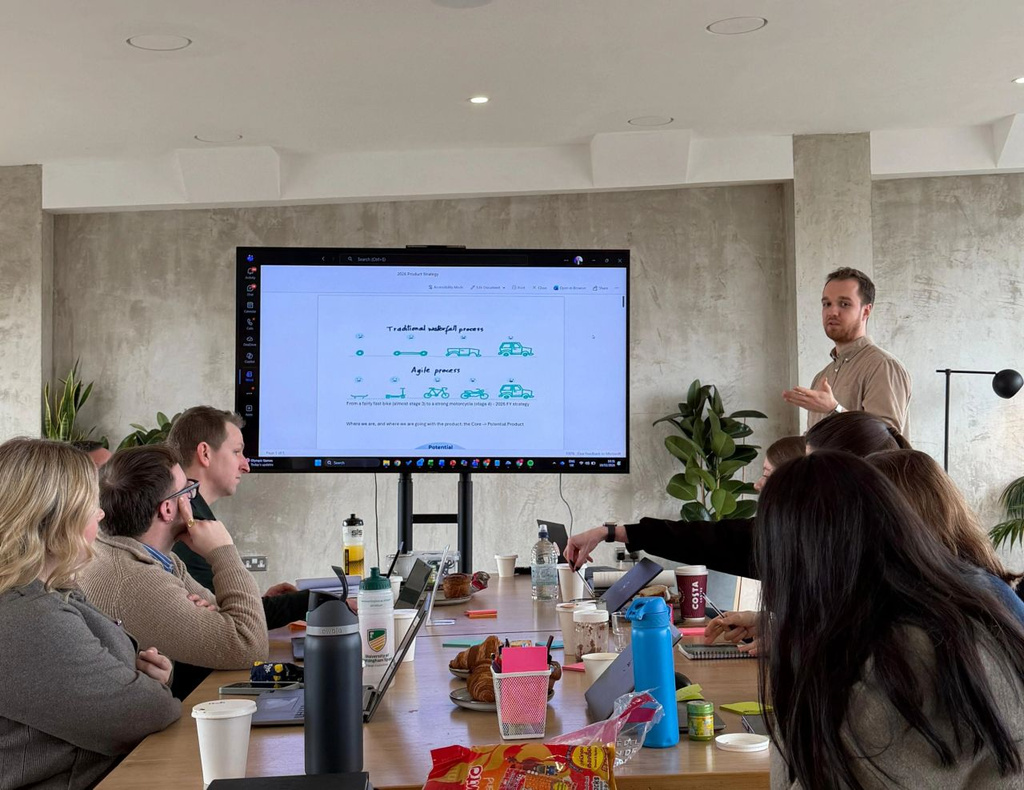
Where I see my role in this is bringing product management and agile development practices from software development to how we build, deploy and adapt research tools, to be able to build the future of research technology in a quicker and more intentional manner.
What advice would you give someone just starting out in the industry today?
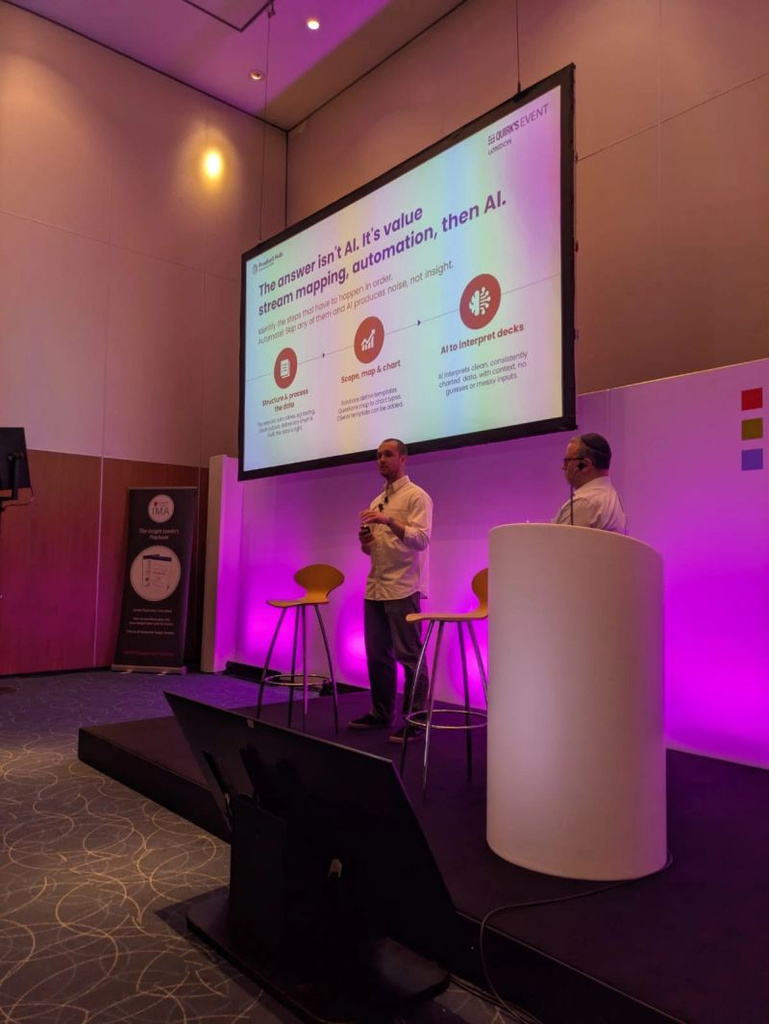
Understanding the fundamentals is crucial but learning how to use technology and collaborate with others to land the results is just as important. The insights and research technology industry is changing so fast that becoming good at one thing is likely not enough anymore. But understanding the fundamental principles of good research, analysis and insights generation, and knowing how to work with both technology and peers and stakeholders alike, is what can drive actual sustainable change.
Who has helped you along the way?
I would say I owe a lot to Dan Jenkins, my manager and mentor. He has given me the opportunity and taught me how to navigate both the industry and a demanding scale-up environment. Plus he trusted me when he certainly did not have to, which helped me develop to where I am today.
Also, of course, to Simon Harris, the MMR Director of Product Testing Excellence. Simon has taught me a great amount over the years about research, about how it applies to our niche, about what is and is not possible in practice and simply about how to think about this industry.
And, last, Tony Karalis, our head of Software Development and principal Architect. Besides being simply the most efficient person I’ve ever met and setting a high bar, above all, he taught me when and how to ask, ‘why would you even do that?’
One thing I was truly fortunate with in my organisation is the breadth of expertise and the true passion of people from different domains (research methodology, innovation, statistics, data science, software development and more). A lot to learn there.