30Under30 Nominee: Lexi Yixuan Ma
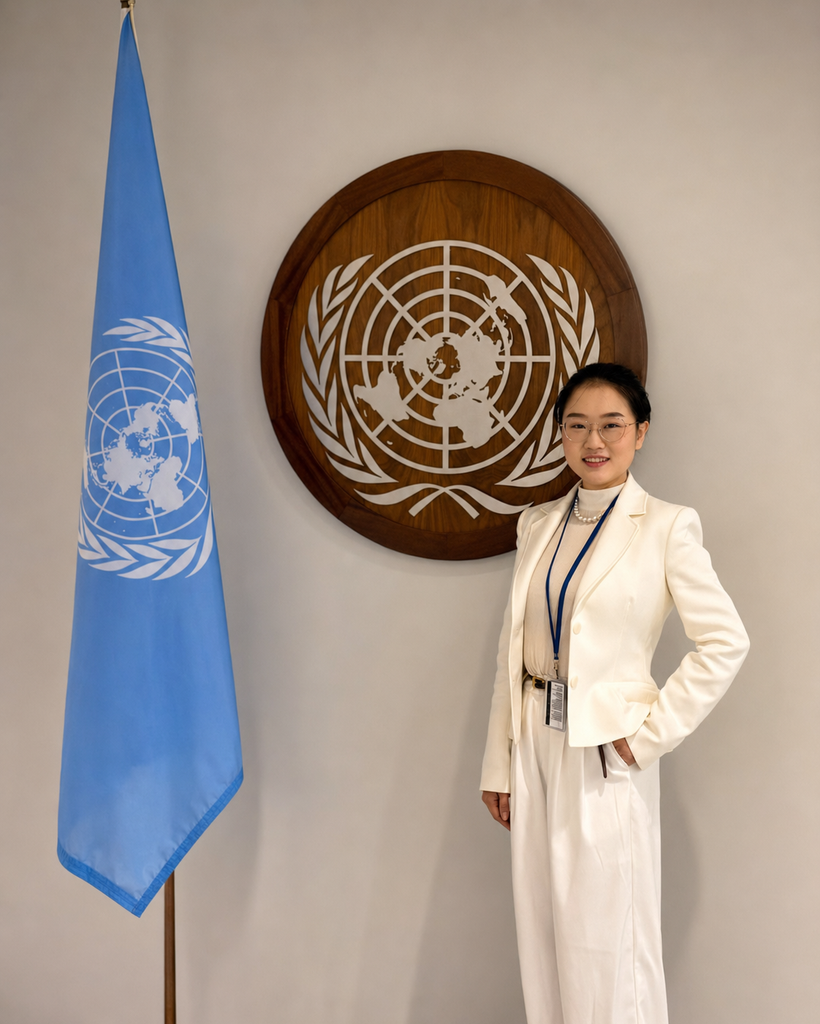
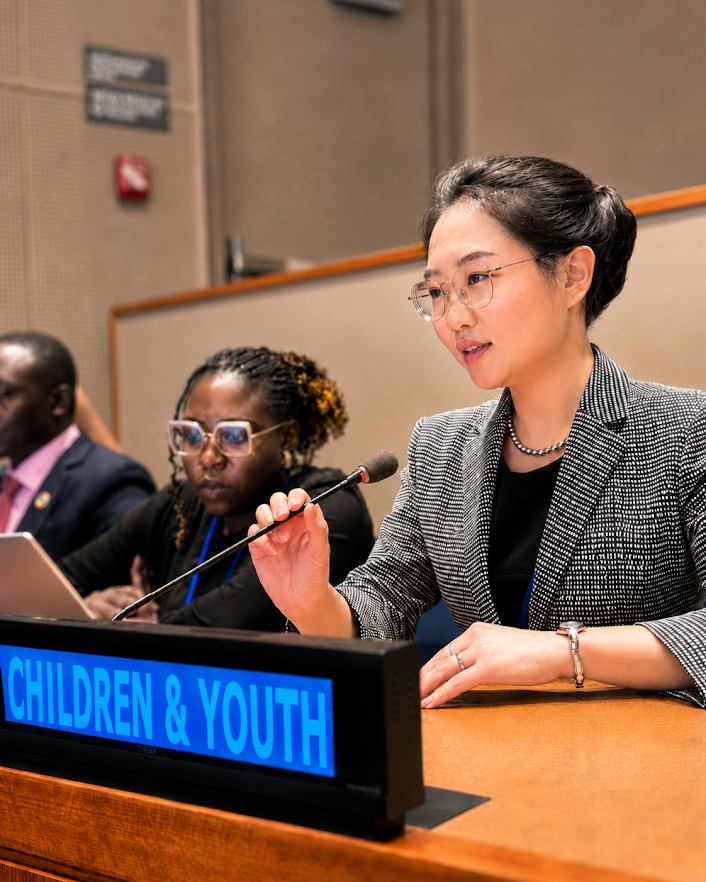
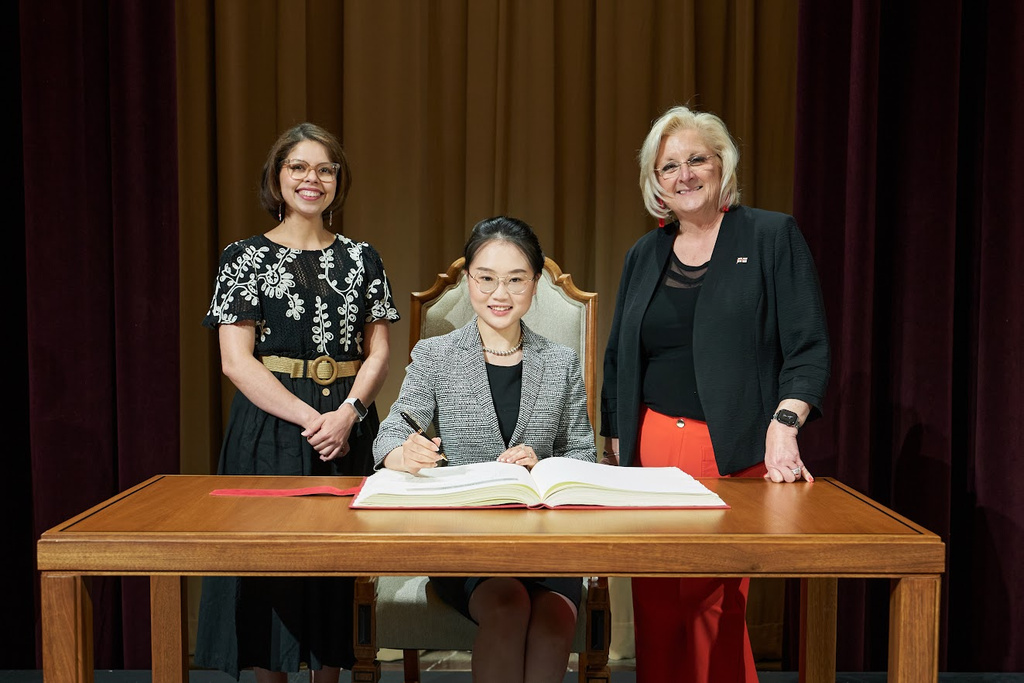
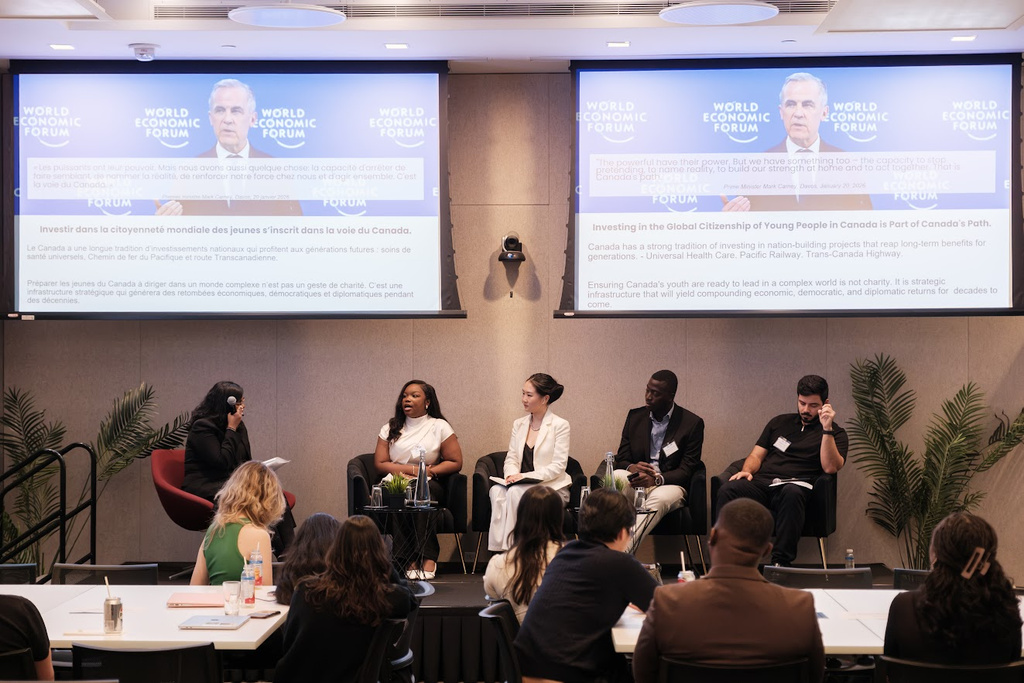
Great to hear from Global 30 Under 30 Nominee, Lexi Yixuan Ma, the Marketing Officer at the McGill University Health Centre Foundation in Montreal, where she uses market research and audience insights to understand what moves people to care and turn that care into support to accelerate life-saving medical discovery. Lexi has also served as a Policy Fellow with Plan International and represented youth at the 2026 United Nations High-Level Political Forum. Beyond research and insights, Lexi is a runway model who walked for seven designers during the 2026 Montreal Fashion Week, bringing emerging trends and aesthetics to the entire world. She is also a big dog lover.
How did you find your way into research, data and insights?
My route into insights started with fashion, which is a research business hiding in plain sight. While studying fashion marketing, I realized that behind every look is a mix of history, consumer behaviour, trend forecasting, data and the ability to notice what people may want before they can name it.
That hidden detective work hooked me and led me into marketing, healthcare and public-interest research. Today, I dig into different questions. Not what people might wear, but what makes them trust, care, give and participate. What hasn’t changed is the thrill of connecting small signals into deeper insights and a bigger story.
What part of your work are you most proud of and why?
I’m proud that my research helps us serve our communities better. At the McGill University Health Centre Foundation, I played a pivotal role in brand and marketing research, drawing on the perspectives of more than 2,000 local community members, board members and staff. It gave us a clearer picture of what people care about, how they see the hospital’s priorities and what helps them feel that their support can make a difference. We brought those insights into our fundraising and communications, supporting year-end campaigns that generated more than $2 million in combined impact since 2024.
The McGill University Health Centre cares for more than 36,000 inpatients every year. At that scale, being sharper about what our communities need and where philanthropy can make the greatest difference really matters. I am extremely proud to turn research and insights into more focused support, accelerated discovery and better patient care.
What have you learned so far that you wish you’d known when you started your career?
Earlier in my career, I felt I had to show up polished and already have the answer. Research taught me the opposite. Many of my most valuable insights have come from an answer I didn’t expect, a tension that refused to fit the neat story, or a person who paused and said, “Actually, that’s not quite the right question.” Those are the moments when research stops being confirmation and becomes discovery.

What excites you most about the future of insights and what would you like to help change?
I’m excited to see our industry rethink the label “hard to reach.” When a community is missing from research, it isn’t a dead end but a design challenge. It pushes us to make our methods more accessible, ask more relevant questions and treat trust as something we earn.
I want to see more research done with communities, where people help shape the questions, challenge our interpretations and see what changed because they took part. Our generation can move inclusion beyond who appears in the sample to who helps shape the research.

What advice would you give someone just starting out in the industry today
Be honest about what you want. Think about what you loved doing as a child, before practicality or other people’s expectations entered the picture. Does your work still make room for that part of you? If not, ask what is stopping you, and whether that fear is real or simply familiar. Let that early curiosity keep guiding you.
Bring the same honesty to the challenge in front of you. Do not circle the core problem or replace it with a safer question. Name it and face it directly. The best research makes the problem clear enough to act on.
Worry less about people’s advice. Trust yourself enough to choose, then take responsibility for what follows: the wins, the mistakes and the detours. Nothing is wasted if you are willing to learn from it.
Who has helped you along the way?
Some of my best teachers may never know they taught me. While managers and mentors opened doors for me, my competitors pushed me to raise my standards. I don’t think admiration ends where competition begins.
I’m also endlessly inspired by people outside my field. Designers have changed how I think about storytelling, clinicians about urgency and community organizers about trust. Moving between different worlds helps me see connections I would otherwise miss and reminds me that no profession has all the answers.
If you pay attention, everyone has something to teach you. And I love moving through the world that way.