30Under30 Nominee: Emily Jackson
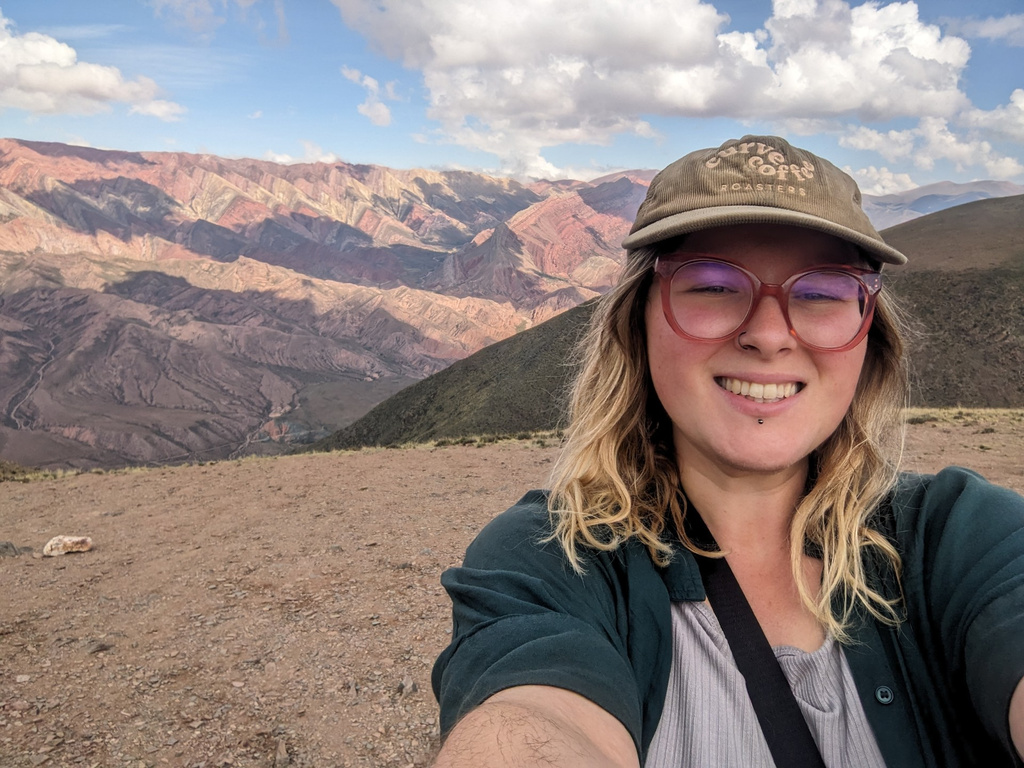
Great to hear from Global 30 Under 30 Nominee, Emily Jackson, an Associate Director at 2CV, based in London and working mainly in quantitative research. Emily works across lots of different client challenges, but is particularly interested in transport, sustainability and turning research into something genuinely useful for the people making decisions.
How did you find your way into research, data and insights?
I think research was always on the cards in some form. I’ve always been fascinated by people and the weird things we do and wanted to understand the why behind it. But I found market research itself pretty much by accident.
The moment I realised it was really for me was in my first year at 2CV. I joined two weeks before the first lockdown, so some of my earliest projects were about how people were living through the pandemic and how organisations needed to adapt. It made me realise that this is an industry that sits right at the centre of problem-solving. The questions are always changing, the world keeps moving and there is always something new to figure out. That really suits my curiosity.
What part of your work are you most proud of and why?
Probably seeing an idea I had actually become real and being listened to enough for it to happen.
As AI use grew, I became increasingly conscious of the environmental impact that comes with it, particularly around water. I came up with an idea for 2CV to link our growing use of AI with donations to WaterAid, put together a proposal for our Board and helped turn it into a company-wide initiative. In its first year, it raised almost £4,000.
What I’m most proud of is that it feels genuinely different. For me, responsible innovation is about holding two things at once: being excited about what new technology can do for us, while still being willing to think seriously about its impact and what responsibility looks like alongside adoption.

What have you learned so far that you wish you’d known when you started your career?
That communicating well isn’t just about being willing to speak.
I’ve never particularly struggled with saying something, but I’ve learned that the harder skill is knowing how to say it so people actually hear what you mean. Sometimes that means being clearer and more direct, sometimes asking the question differently and sometimes knowing when not to speak at all.
I’m definitely still figuring that one out, but I wish I’d realised earlier that having a good point and landing a good point are two different skills.

What excites you most about the future of insights and what would you like to help change?
I love that this industry never really stands still. Methods change, technology changes, people change and the wider world throws new problems at us all the time. Things like climate change and sustainability completely change the questions organisations need help answering.
AI is obviously a big and exciting part of that. I’m really interested in what it can free researchers up to do differently and better. But what excites me more broadly is that insights is full of people who like solving problems, so every change gives us another puzzle.
I’d like us to stay curious about change without chasing it for the sake of it. Whether it’s AI, a new methodology or a new data source, I think we should keep asking what problem it actually helps us solve, what it improves and what trade-offs come with it.
What advice would you give someone just starting out in the industry today?
Ask the stupid questions now!
It’s something I always say to interns and junior researchers because there is never a better time to ask why we do something a certain way. Why is that the methodology? Why does that process exist? Why are we showing the data like that? What does that acronym mean?
But keep asking why even when you’re more senior. A lot of growth, efficiency and genuinely different thinking comes from questioning things everyone else has stopped questioning.
And don’t pretend you understand something when you don’t. Usually somebody else in the room is wondering the same thing.
Who has helped you along the way?
Lots of people, in very different ways, but two people in particular stand out.
Ellie Gould managed me for a lot of my time at 2CV and was a real cheerleader for my career. She helped me find my place, work out what I was good at and carve out opportunities around the things I care about. More than anything, she showed me what good mentorship looks like and how much of a difference it makes when somebody genuinely backs you.
Ruth Noble taught me something slightly different: “yes until it’s a no”. She’s very much a get-things-done person, and she taught me not to wait around for permission or perfect confidence before stepping into something. If you think you’re ready for an opportunity, sometimes you have to start putting yourself in that space.
Those are both lessons I now try to carry into how I work with more junior people too.