30Under30 Nominee: Andrea Gradi
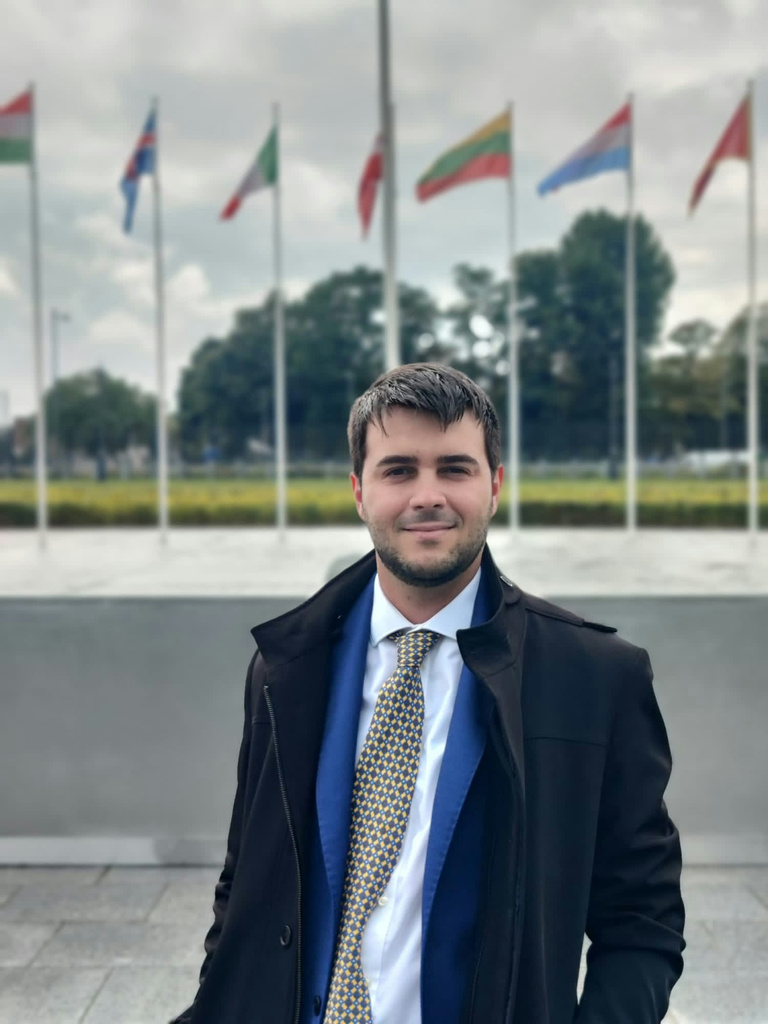
Great to hear from Global 30 Under 30 Nominee, Andrea Gradi, who is currently working as a Research Analyst at the Office of Strategic Communications at NATO Headquarters in Brussels. Andrea works in the Audience Research team that follows public opinion about the security environment which helps inform NATO’s communications efforts.
How did you find your way into research, data and insights?
I would say it was a combination of personal interest and finding the right opportunities at the right time. My educational background is in political science, and, over the course of my studies, I developed a particular interest in evidence-based policies and survey data. I had my first opportunity to contribute to a real-world research project in 2021, when I was interning at an Italian public environmental agency that was running some in-house survey experiments to improve its internal processes, and I found it extremely fascinating to see how insights from research could contribute to affect behaviour in the real world. The following year, NATO HQ opened an internship position in its Audience Research team around the same moment as I was starting to look for my next career step, and having already worked on survey data before helped me secure the position. After a brief experience in university as a teaching assistant while my documents were being processed, I moved from Rome to Brussels to join my current team. Being part of a small research team meant getting concrete responsibilities from the first day, which helped me discover the industry more and confirm my interest in the world of research and insights. I have since been able to stay on the team as an analyst in a temporary capacity and have taken on more responsibilities and exposure over time as my experience as a researcher has grown.

What part of your work are you most proud of and why?
More than a single project, it is being able to see my analysis and insights have a concrete impact across the organisation; watching my recommendations impact a communications campaign or seeing findings I worked on included in NATO’s communication strategy. One of my main drivers of motivation is being able to carry out meaningful, interesting work in the service of the public good, and I know a recurring concern among research practitioners is that the insights we deliver may remain just a slides deck in a drawer. It is extremely rewarding to witness firsthand how this is not the case and to have the opportunity to see the downstream impact of my team’s work on a daily basis.
What have you learned so far that you wish you’d known when you started your career?
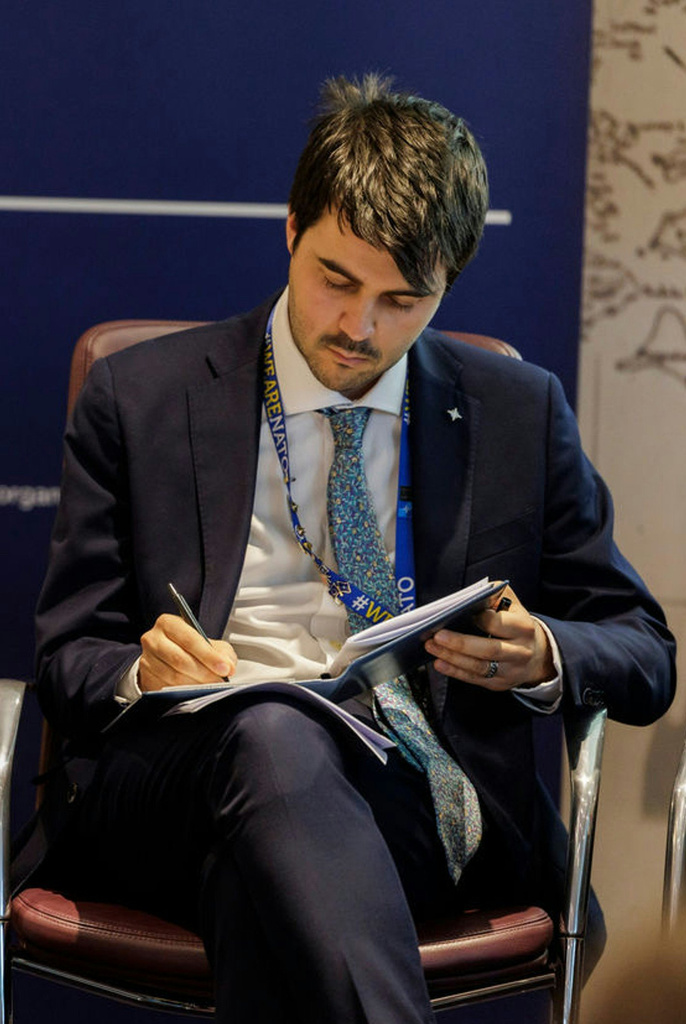
It may seem banal, but I would say it was realising how important it can be to communicate our findings in a simple and straightforward way, as well as being mindful of who is in the audience. I remember the moment it “clicked” was during a stakeholder meeting at the beginning of a new project. We were discussing information needs that would have been satisfied by the research, and a colleague expressly said that she did not need to be flooded with percentages, but she needed some very directional insights for a communications campaign that we were working on. It was during my first year at NATO, and up until that point my drafting still reflected that I had just come out of an academic setting, as it was very technical and not easy to engage with for someone without a research background. That comment made me rethink the way I approached drafting and communicating results, focusing on the “so what” for my audience rather than on methodological details or figures without an explanation, which can be interesting for other research practitioners but will bring limited value to a communicator or policy officer.
What excites you most about the future of insights and what would you like to help change?
I think there is a very interesting challenge the industry is facing when it comes to balancing the new possibilities and analytical capabilities that new AI tools offer while ensuring that our profession stays human-centric and does not lose depth, reliability or nuance in the pursuit of speed and scale. Especially as young research practitioners, I feel we have a stake in shaping the direction the profession will take in the coming years, from big-picture questions about the value of expertise and human judgement to the more down-to-earth questions such as how to ensure this expertise is not thinned out as the tasks that allowed junior researchers to get familiar with data and develop their intuition are automated. There is a degree of tension that will need to be managed between the promise of faster insights and more time for deeper analysis, and the reality that our profession deals with the complex, contradictory and uncertain lived experiences of human beings in the real world. It is definitely exciting to have the chance to be part of this conversation in a moment when the road ahead has not been charted yet.
What advice would you give someone just starting out in the industry today?
I would definitely recommend not to underestimate the value of having a mentor in your early career stages, be it a supervisor or a trusted colleague with some more experience in their research journey. Having someone that I could rely on who was already familiar with the profession and to whom I could comfortably ask questions or turn towards for early career guidance has been very helpful in smoothening my transition into the profession.
In a somewhat related fashion, I’d suggest embracing the importance of collaboration. Some of the most interesting projects I have worked on were only possible as the result of a collaborative effort, and having additional perspectives from colleagues and counterparts with different backgrounds and skillsets has been extremely stimulating and insightful.
Who has helped you along the way?
I would like to thank two great colleagues, supervisors and friends I’ve met along my research journey: Amy Lecomber and Beatriz Sanchez.
Bea was my line manager when I started out as an intern at NATO. She was incredibly helpful with my transition from an academic environment to research as a profession, as well as in showing me how to navigate the dynamics of working for an international organisation and exposure to senior leadership.
Likewise, I am extremely thankful to Amy, my current line manager as well as mentor for constantly providing me with new opportunities for growth and visibility, supporting and valuing my professional development over the last two years and always being a source of good spirit in the office.