Listening and leading
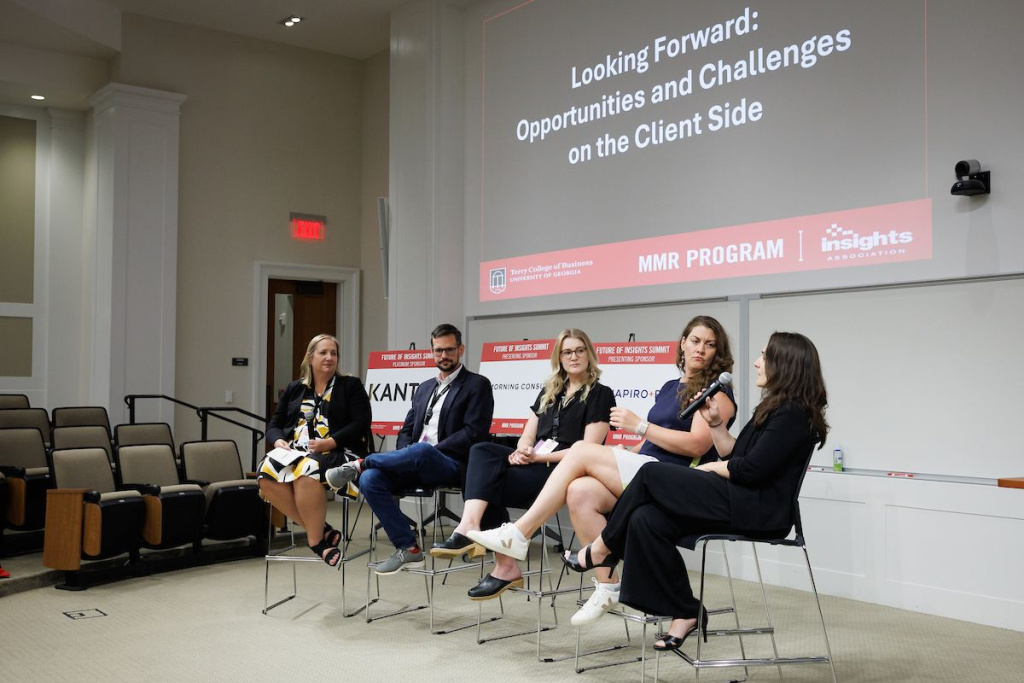
The early habits that shape future leaders
Among the 2025 Global 30 Under 30 cohort, two habits consistently stand out as foundations for long term leadership, the ability to listen deeply and the willingness to lead early, even without a title. These habits, developed in the earliest stages of their careers, helped the honourees understand people, build trust and step into responsibility with confidence. Their experiences show that leadership does not begin with a promotion, it begins with behaviour.

Listening as the core of insight
Listening is central to the insights profession, yet the honourees emphasise that it is more than a research skill, it is a leadership skill. Junior researchers who listen closely to participants, colleagues and clients develop a richer understanding of context, motivation and nuance. They learn to identify what people mean, not just what they say. This depth of understanding strengthens analysis, builds empathy and improves collaboration across teams.
The power of observing before acting
Several honourees describe how taking time to observe and understand a situation before jumping in helped them avoid missteps early in their careers. Listening first allowed them to interpret dynamics accurately, understand needs and contribute meaningfully. This reflective approach built trust with colleagues and clients, showing maturity beyond their experience level. It also gave them the clarity needed to act with intention rather than urgency.

Leading without a title
Many cohort members speak about leadership opportunities that emerged long before they officially managed people. They led by taking ownership of projects, by guiding conversations, by supporting teammates under pressure or by stepping forward when a gap needed filling. Early leadership is not about authority, it is about responsibility. Junior researchers who consistently show initiative quickly become the people others rely on.
Building confidence through contribution
Honourees often describe their confidence growing when they acted in service of others rather than focusing on themselves. By helping colleagues solve problems, by offering to take on tasks or by sharing insight proactively, they developed a sense of agency. Over time, these behaviours trained them to communicate more clearly, influence decisions and handle pressure with composure. Leadership grew through contribution, not position.
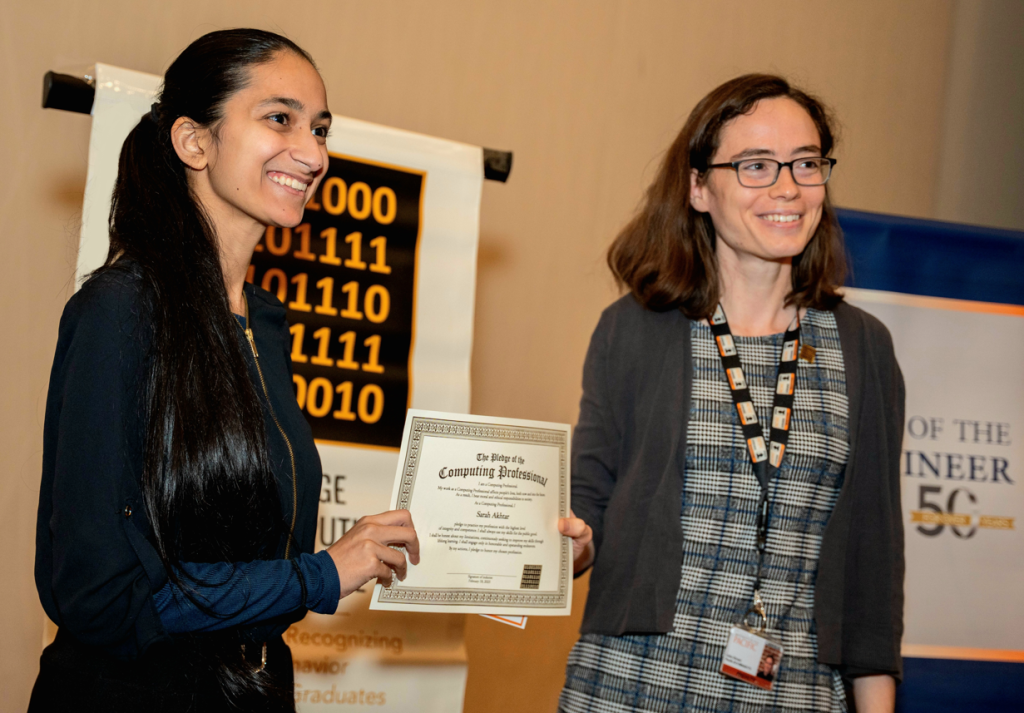
Learning to support, not just deliver
Several honourees highlight that leadership in insights involves emotional intelligence. Junior researchers who learn to support others, show empathy and help maintain a positive team dynamic stand out. They become stabilising forces during tight deadlines, client challenges or unexpected project shifts. These interpersonal qualities distinguish future leaders long before formal titles do.
Lessons for junior researchers
Listen first. Pay attention to what people need. Observe dynamics carefully. These habits will strengthen your insight and your relationships. At the same time, practice leadership wherever you are. Take ownership. Support your team. Share ideas. Fill the gaps you notice. Small actions become leadership signals.
Closing, leadership built from everyday behaviour
The 2025 Global 30 Under 30 show that leadership is not a moment, it is a pattern. It grows through listening, through responsibility and through the intention to help others succeed. For junior researchers, developing these habits early will build a foundation of trust, empathy and capability that shapes a long and meaningful career in insights.