How did you get there? Sam Grey
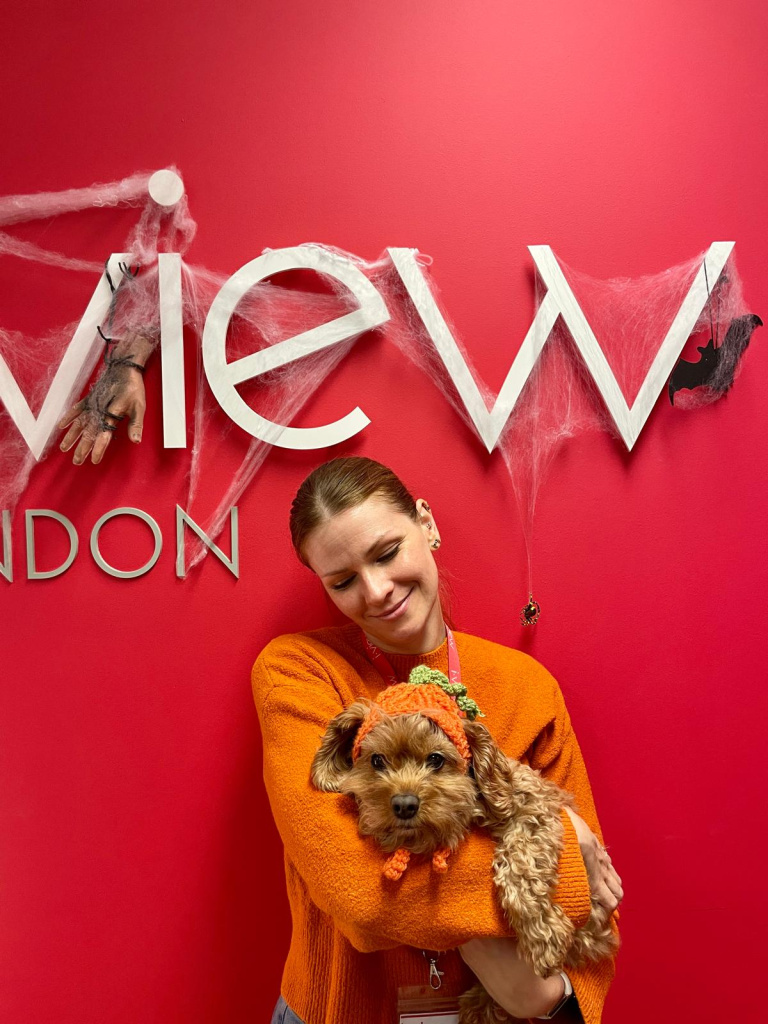
Great to hear from Sam Grey, Managing Director at i-view London, known for championing a people-first approach to research environments and creating spaces where both clients and participants feel genuinely valued.
So, how did you get into the industry, and how did you get to where you are today?
I moved to London at 16 from the Cheshire countryside to pursue modelling, which led to a few acting roles from the age of 17. Market research came along at 18 as a flexible way to support that creative path.
In my early 20s, I was lucky enough to land a series regular role on the BBC show Casualty for four years. After leaving, I found myself drawn back to market research. I had genuinely missed the team at London Focus and the sense of community there.
I started in participant recruitment and fieldwork support, working across consumer, B2B and automotive clinics. From front of house to managing large-scale quotas and data, and even interviewing on drive tests, it gave me a real appreciation for the level of detail and care needed behind the scenes.
Over time, I moved into operations and studio management, and that’s where things really clicked. I loved creating environments where great research could happen. Having grown up in hotels, with my dad working as a General Manager, hospitality is in my DNA and where I get the most satisfaction.
I joined i-view London in 2013 and have grown with the business ever since, from Deputy Studio Manager through to Managing Director. Along the way, I’ve helped shape not just the space, but the culture too, with a focus on hospitality, inclusivity, sustainability and making people feel genuinely looked after.
Why should someone consider a career in market research, data and insights?
Because at its core, it’s about people.
You get to explore how people think, feel and behave, and help shape decisions that can genuinely improve products, services and experiences. It’s one of the few industries where curiosity is a real strength.
It also offers huge variety. Whether you’re analytical, creative, operational or people-focused, there’s a place for you. The skills you develop, from empathy and communication through to critical thinking, stay with you for life.
Career paths are rarely without challenges. Can you share an honest moment when things didn’t go to plan, but the lessons stayed with you?
The pandemic, without question.
Our entire business model relied on bringing people together in physical spaces, which suddenly wasn’t possible. It was an incredibly uncertain time, both professionally and personally.
What stayed with me most was the importance of community. Through the Viewing Facility Action Group, many of us who had once been competitors came together in a way I hadn’t seen before. We shared knowledge, supported each other and adapted quickly.
It taught me resilience, but also that leadership isn’t about having all the answers. It’s about showing up, being honest and moving forward together. We are stronger together.
What two things should junior researchers focus on as they build their careers?
Build relationships, not just skills.
This industry runs on people. The way you make others feel, whether clients, participants or colleagues, matters just as much as the work itself.
Get face-to-face.
The pandemic normalised working from home and being behind a screen, often in quite a disconnected way. That has left many young researchers at a disadvantage.
There is real value in being in the room. Building relationships with your team, learning directly from managers, spending time with participants, and connecting with clients in person all matter. Those client relationships build trust, strengthen partnerships and often lead to repeat business.
Many people haven’t had that experience yet, and it’s where some of the most important skills are formed.
Do you have any advice for the sector?
We need to protect and champion the human side of research.
Technology and AI are incredibly powerful tools and absolutely have a place in our future. But they should enhance human understanding, not replace it.
The magic of this industry lives in real connection. In the nuance of conversation, in what is not said, in shared space. If we lose that, we lose what makes insights truly meaningful.
So my advice would be to evolve, go hybrid and embrace innovation, but never lose sight of what sits at the heart of what we do.
And finally, is there anyone who has helped your career who you’d like to acknowledge or give a shout-out to?
I’ve been incredibly lucky to work with brilliant people throughout my career, both clients and teams.
The team at i-view, past and present, have played a huge part in shaping who I am professionally. There is a real sense of care and pride in what we do, and that is something we have built together.
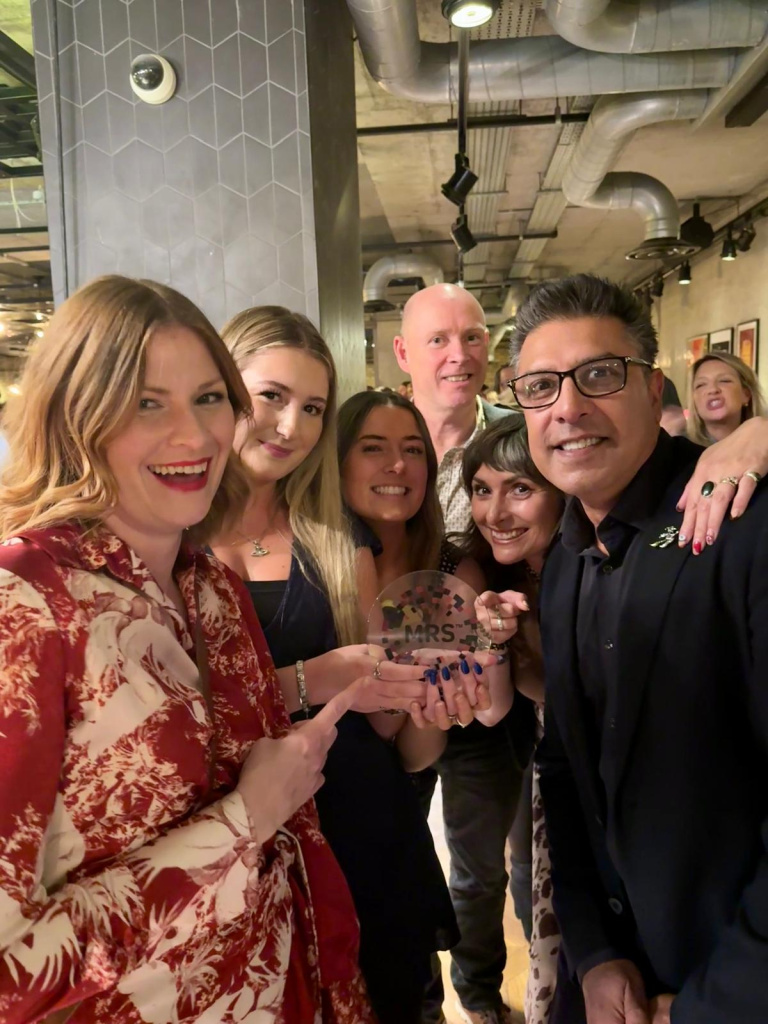
I’d also like to recognise the people behind WiRE, PIN, The Research Club and the MRS conferences. These communities create the spaces where relationships are formed and where the industry comes together. That work often goes unseen, but it is hugely important.