How did you get there? Pallavi Dhall
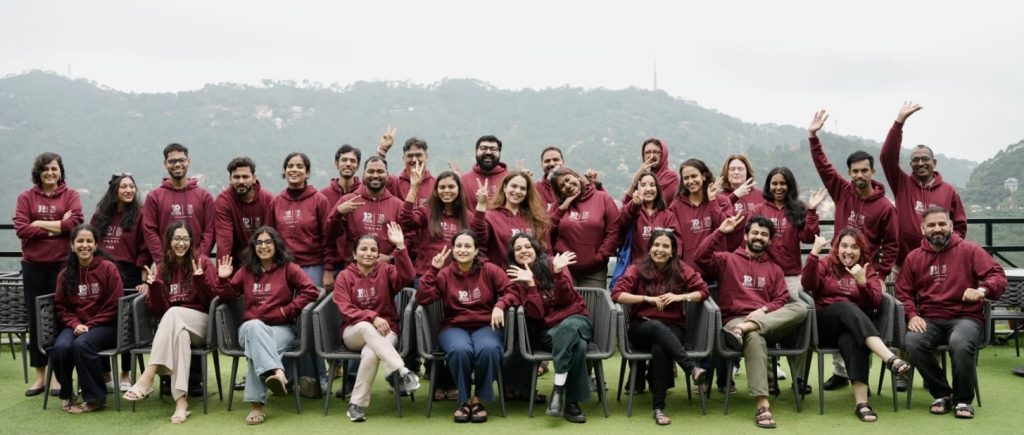
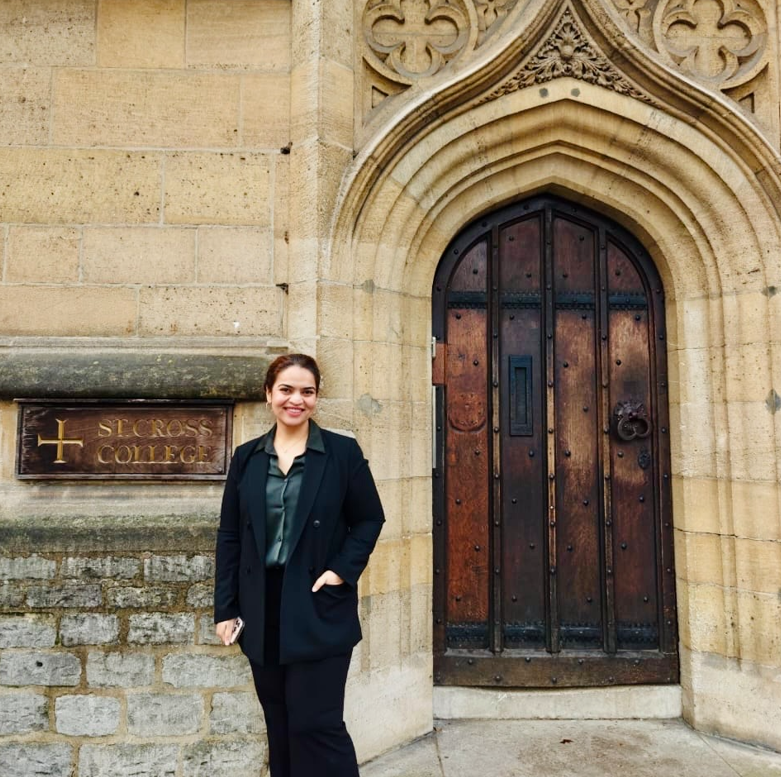
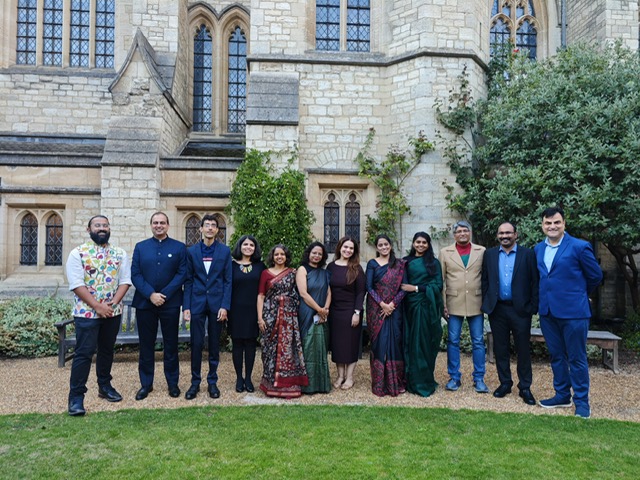
Pallavi Dhall is a social impact-driven insights leader, currently serving as Deputy Director at the Centre for Social and Behaviour Change, where she steers donor engagement, high-value partnerships and behaviour change initiatives. With 14+ years of experience spanning market research, analytics and policy communication, Pallavi has led cross-functional teams, launched new revenue streams and shaped evidence frameworks that influence social impact programmes at scale. She holds a Master’s in Development Studies and completed an Executive Programme in Communications for Public Policy Delivery at the Lee Kuan Yew School of Public Policy, strengthening her ability to communicate insights with strategic clarity for the public good. Pallavi has worked with leading organisations such as Kantar and Nielsen, where she built data-driven strategies across citizen ecosystems. She is also a Chevening Gurukul Fellow, 2025 (University of Oxford), further sharpening her global policy leadership.
How did you get into the industry, and take us through how you got here?
I began my career at the intersection of deep interest in psychology and social impact, armed with a Development Studies degree and an endless curiosity about why people do what they do. I entered the market research industry through the social impact specialist units at Nielsen and later at Kantar, working with state and central ministries, NGOs, multilaterals and CSR initiatives. The fundamentals were constant: rigorous quantitative and qualitative research. Qualitative research gave me my voice early on. It helped me uncover nuance, build narratives and understand the deeper motivations behind decisions. Quantitative research gave me my scale. It became the discipline through which I learned to prove impact credibly, measure behavioural shifts and translate evidence into action. Early in my career, winning the ESOMAR Young Researcher of the Year award widened my view of what the sector could achieve. It gave me confidence, momentum and excitement to engage with global research innovation more deeply. Today, on the client side, I lead partnerships, donor portfolios and operational systems that drive behaviourally informed policy interventions across nutrition, sanitation, maternal health and financial inclusion.
Why should anyone consider a career in market research, data and insights?
Insights careers are built for thinkers, feelers and doers. Market research is often boxed into brands, but its true territory is far richer. It equips you to understand people, culture, communities and the systems that shape decisions and outcomes. The frameworks that explain consumer behaviour can also explain citizen behaviour. The sector teaches you to understand behaviour in context, and that understanding becomes influence. You can shape a campaign, a category or even a country, because every insight begins with a human truth. It is one of the most future-adaptive careers, where AI, psychology, design, policy, data strategy and storytelling intersect seamlessly. If you want a career that rewards curiosity, builds rigour, and creates meaningful impact, this sector gives you the toolkit to do all of that, while constantly evolving around you.

Share a moment when things didn’t go to plan, but the lessons stayed with you?
A decade into my career, after working almost entirely on citizen-centred research, I followed my curiosity into the brand and marketing world. The creativity, the psychology of campaigns, the speed of communication and the thrill of influencing consumer behaviour energised me. I quickly realised I was most alive when research was used to solve systemic social challenges, problems shaped by identity, equity, access and infrastructure. The brand world sharpened my storytelling, tightened my communication, and showed me the power of narratives that travel fast. That pivot helped me articulate a truth I still rely on today: influence is exciting, but impact is enduring, and the most meaningful research work solves for both. The lesson was never about sectors; it was about choosing the problems I want my research to serve.

What two things should junior researchers focus on?
Researchers should focus on understanding stakeholders with the same rigour they apply to methodology. Knowing how stakeholders think, what success looks like to them, what concerns them, and how they absorb information is as important as designing the research itself. The most impactful researchers don’t just design surveys and discussion guides, they shape the narrative around the decision that will follow. When you learn to read the stakeholder environment as well as you read the data, you move beyond being a researcher and become a trusted advisor much earlier in your career.
The second area to build is fluency, not in choosing between words or numbers, but in combining them so neither becomes a limitation. Insights careers reward those who can uncover nuance through qualitative depth and back it with quantitative evidence. Master both intentionally, because storytelling makes insights relatable, and numbers make them actionable. The sector is evolving fast, but the fundamentals remain steady: the curiosity to explore, the discipline to measure, and the clarity to communicate.
Do you have advice for our sector?
My advice is simple: think beyond the output and design for the decision that follows. We need to evolve from being insights providers to becoming decision architects. Research shouldn’t end in reports, it should end in action, outcomes and measurable shifts. AI will transform how we work, but it should elevate judgement, not replace it. Let machines handle speed so researchers can handle depth, context, ethics and clarity. The most future-relevant insights organisations will be built by leaders who understand systems, communicate evidence clearly, and build teams that reflect the societies we study.
Anyone you’d like to acknowledge and thank?
My family has been my constant source of encouragement, nudging me to aim big and think boldly. Their support gave me the freedom to explore and the confidence to continue learning, across both my professional and academic journey. Professionally, I’ve had mentors who taught me that being a great researcher is not just about analytical rigour, but about leading people with integrity and clarity. I was fortunate that they helped shape my foundation as a people-led leader, encouraging me to uphold excellence while building teams that are valued and empowered. And then there are the teams themselves. The brilliant researchers, strategists and field experts I’ve had the privilege to lead have challenged my thinking and strengthened my instincts, showing me that leadership is always a shared act.