How did you get there? Mike Holland
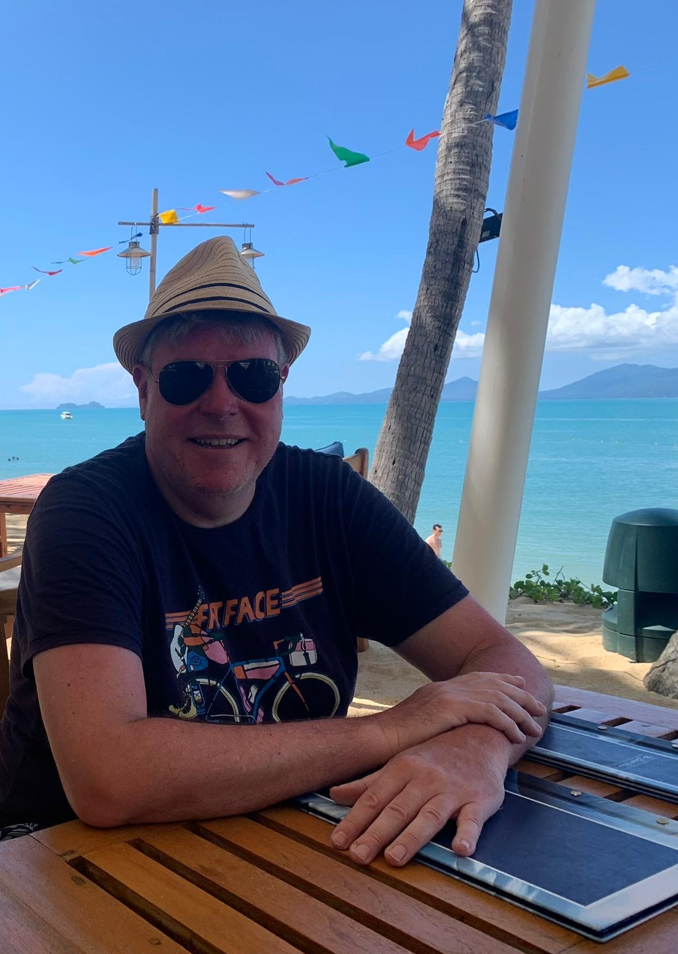
It’s always a pleasure catching up with people who’ve helped shape the way our industry thinks, and today it’s great to hear from Mike Holland, an experienced research and insights professional who has spent over 25 years turning data into insights and strategies that actually mean something. Over that time, he’s watched his hair transform from a luscious golden brown to a distinguished salt‑and‑pepper look… though he’s quick to add that he’s grateful to still have a full head of it. Mike has spent his career helping organisations understand people better, and he’s done it with a mix of curiosity, compassion and a sharp eye for narrative.
So Mike, let’s start at the beginning, how did you first find your way into the industry, and what’s the journey been like getting to where you are now?
Like many at the time, I went straight from school to university to do my degree (in politics). After 3 years, I still didn’t know what I wanted to do with my life, so went back to university to do a Masters (also in politics). At the end of that, and still no clearer on what I wanted to do beyond knowing for certain I didn’t want to work for the Civil Service. This was after a disastrous interview for the Home Office Immigration Dept where I got into an argument with the interview panel over what happens when morals, ethics and international law run‑up against the unofficial application of quotas to determine who gets into the country and who doesn’t. That night, a friend’s mum mentioned that a Director at a research agency she works at was looking for an assistant. And so began my career in research.
From your perspective, why should anyone consider a career in market research, data, and insights?
If you like problem‑solving, it’s a brilliant career. If you like talking to people and trying to get under the skin of why we do what we do, it’s a brilliant career. But, you should always do it with an eye on improving people’s situation. We’re privileged to be invited into people’s lives to find out about them and we must always be respectful of that.
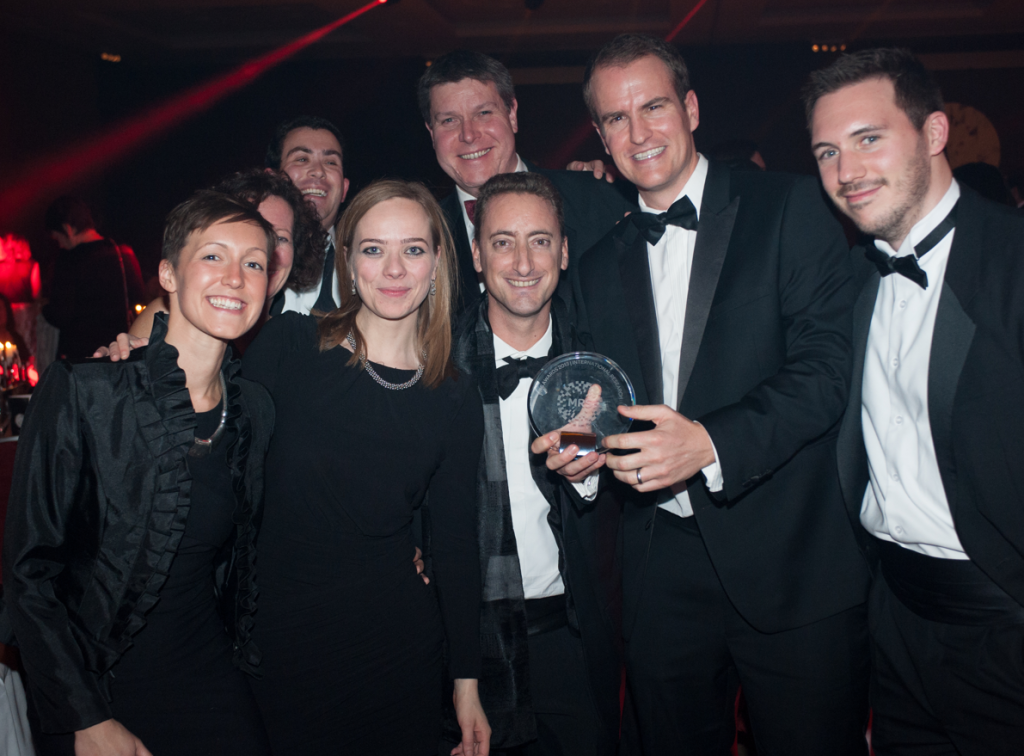
Careers rarely move in a straight line. Can you share a moment when things didn’t go to plan, but left you with lessons that stuck?
Probably when I was made redundant after the 2008 economic crash. My main clients at the agency I was at, were automotive and when the crash first happened, they literally stopped production overnight. The market dried‑up and so did the appetite for international automotive customer satisfaction tracking programmes. The lesson it taught me was summed up far more eloquently by Kipling in the poem If than I could ever hope to do, when he wrote about the importance of trusting yourself when all doubt you, and “meeting with Triumph and Disaster and treating those two impostors just the same.”
What two things should junior researchers focus on as they move forward in their careers?
Every day’s a school day. As soon as you think you’ve mastered an approach, be ready for the next challenge because things move fast and the next technology/methodology is just waiting in the wings. Also, be respectful to the people you work with no matter where they are in your company’s hierarchy. It’s a relatively small and circular industry, and reputations matter just as much as experience and expertise.
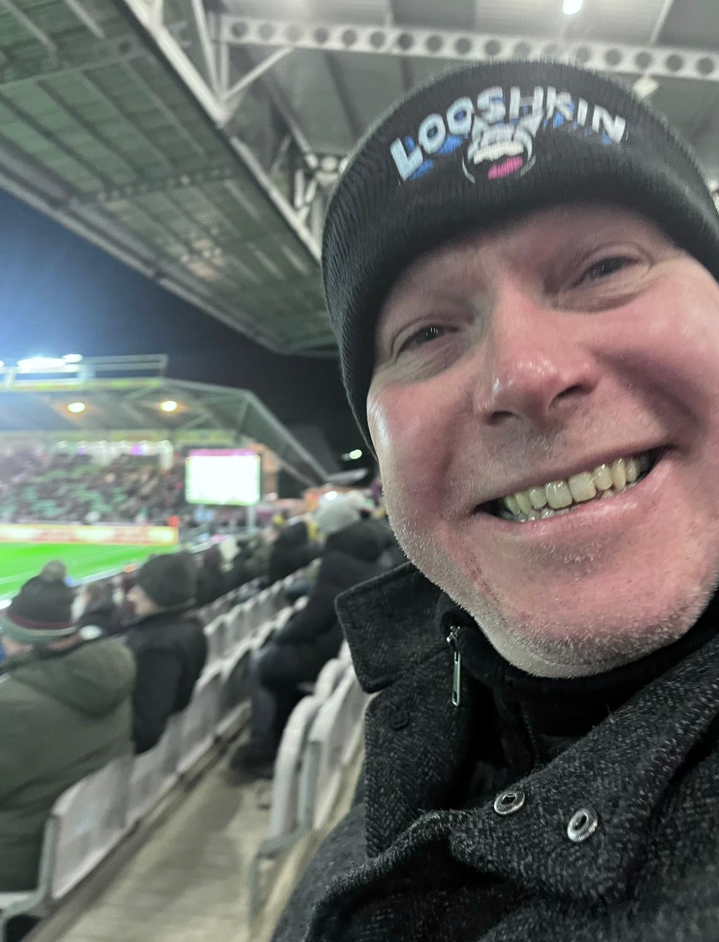
And if you had the chance to offer one big piece of advice to the sector as a whole, what would it be? Go big!
Never forget the human.
AI should be a tool but many organisations, agency and client‑side, are investing too heavily in AI at the expense of real conversations with real people. An algorithm or an AI bot isn’t going to buy/consume a service or product, a person is.
Finally, is there anyone you’d like to acknowledge, people who’ve helped your career, or who you just want to give a shout‑out to?
In terms of helping my career, probably Jonathan Hewitt who got me into client‑side research in the first place and Steve Lowe who made sure I stayed. In terms of a shout‑out, probably to all the old team over at BDRC (now part of Ipsos) in the early to mid 2000s. A great group of like‑minded people who worked‑hard and played‑hard (can we still say that?). And of course to Jodie my significantly better half, who also happens to be one of the best Quali researchers I’ve ever met.