How did you get there? Barry Jennings
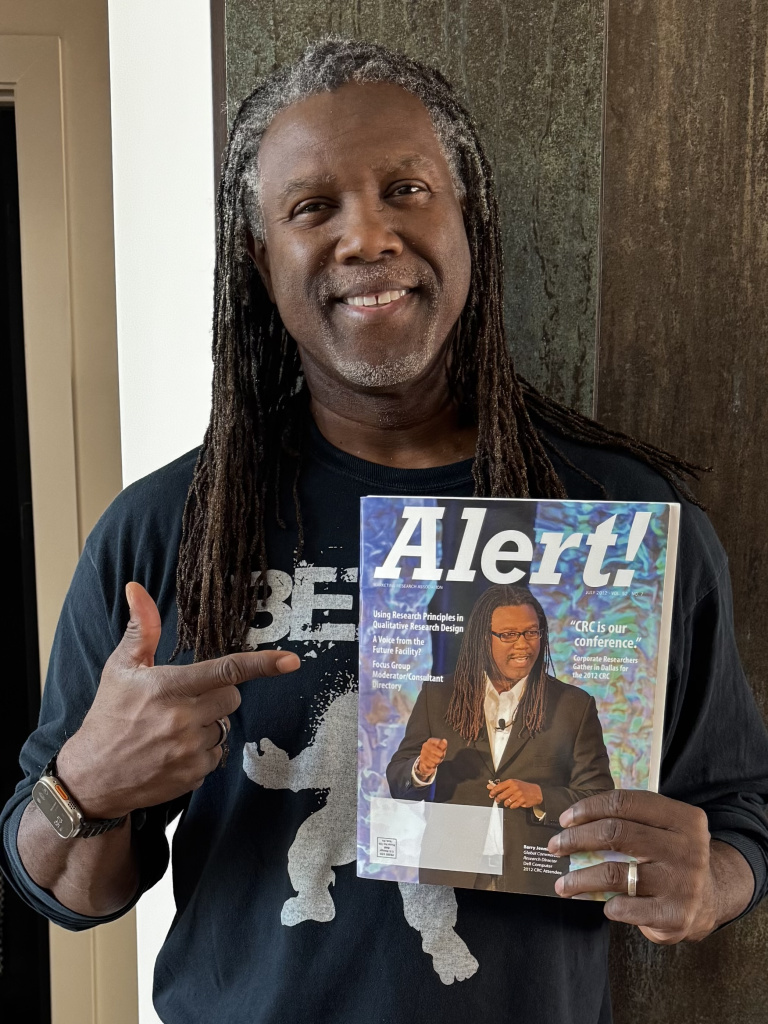
Barry Jennings is a seasoned insights leader with over 30 years of experience turning market research into real strategic advantage. What began as a college job conducting phone surveys quickly became a lifelong career, one that has spanned industries, continents, and some of the world’s most influential technology companies.
Most recently, Barry spent a decade at Microsoft, where he led B2B research within the Research + Insights group, shaping strategy across Azure Cloud, AI, and commercial business planning. Prior to that, he spent 18 years at Dell, working across virtually every product category in both consumer and B2B markets, before bringing his expertise to BlackBerry to lead market research and competitive intelligence during a pivotal time of transformation.
Earlier in his career, Barry built a strong foundation on the supplier side with firms including Kantar and Millward Brown, developing deep expertise in international technology research, experience that continues to shape his ability to bridge both client and vendor perspectives.
Today, Barry serves as North American Ambassador for ESOMAR, sits on the Executive Advisory Board for the University of Wisconsin’s Marketing Leadership Institute, and consults with both client-side and vendor-side organisations.
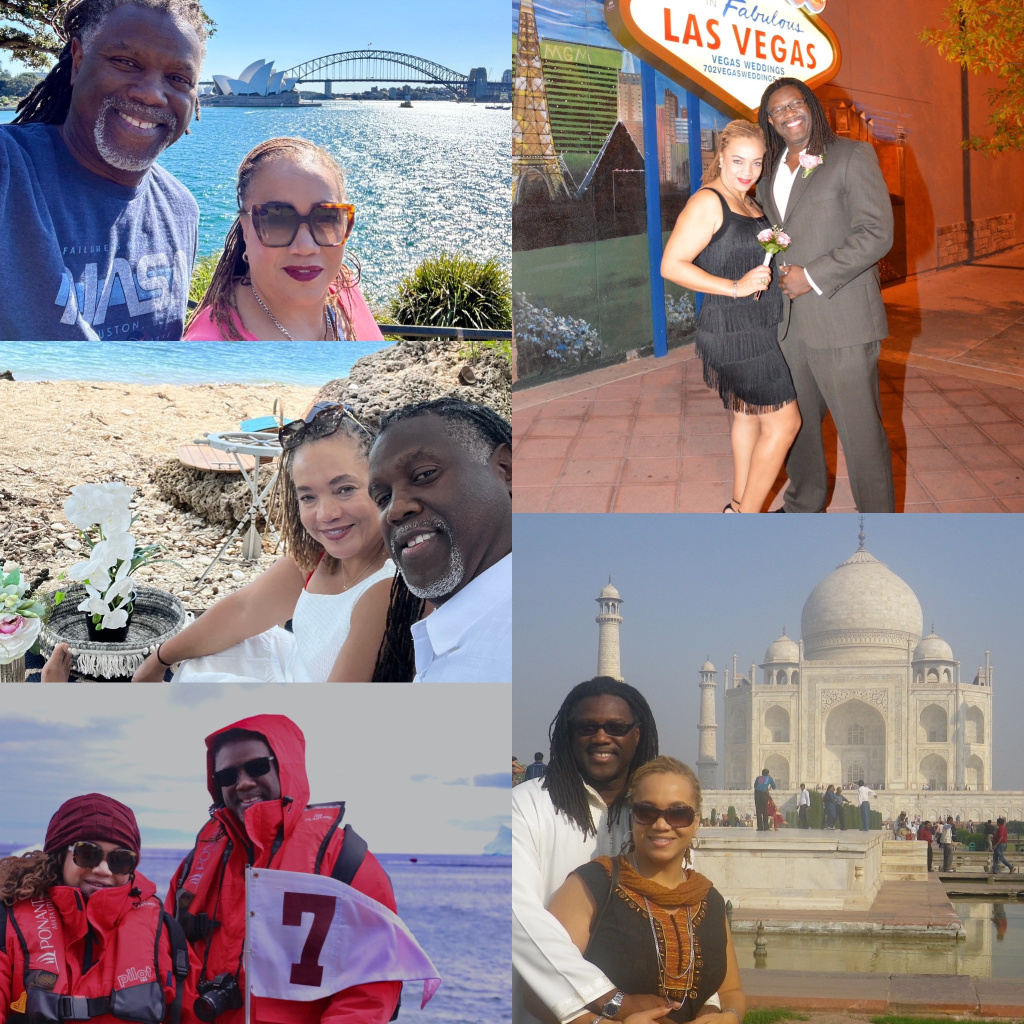
“I love to travel. And I like to renew my wedding vows, I like to think of it as continually reminding my wife how good she has it…ha ha.”
So, Barry, let’s start at the beginning, how did you get into the industry, and how did that journey unfold?
Well, I got into this industry quite by accident. My sophomore year in college, my parents called and said they couldn’t help as much as they’d hoped… so I found three jobs. One was as a night auditor at a hotel, one was through a temp service, and the third was at a market research firm doing telephone interviewing, because I could walk from the UT Austin campus after class to downtown to work a shift from 5 to 9 PM.
Needless to say, I liked the research job best, and I went from phone interviewer to supervisor to field director. After finishing school, I became a research associate, then moved to a larger firm (eventually acquired by Kantar), where I ran a global brand tracking program and later joined the advanced analytics team, back when that’s what they called the people doing conjoint work. I had a great officemate, Bryan Orme, who is now the CEO of Sawtooth Software.
After a while, I realized I knew how to make the research, but had no real idea what happened with it after that. So when an opportunity opened at one of my clients, Dell Technologies, I jumped. I got to touch so many parts of the business, found my groove, and stayed 18 years. From there, a stint at BlackBerry taught me important lessons about change and building something from scratch. And then I landed at Microsoft, where I worked on B2B research for about a decade.
It’s been a great journey, and now I get to give back by serving on the board of the Insights Association, working with graduate market research programs, and recently becoming the North America Ambassador for ESOMAR.
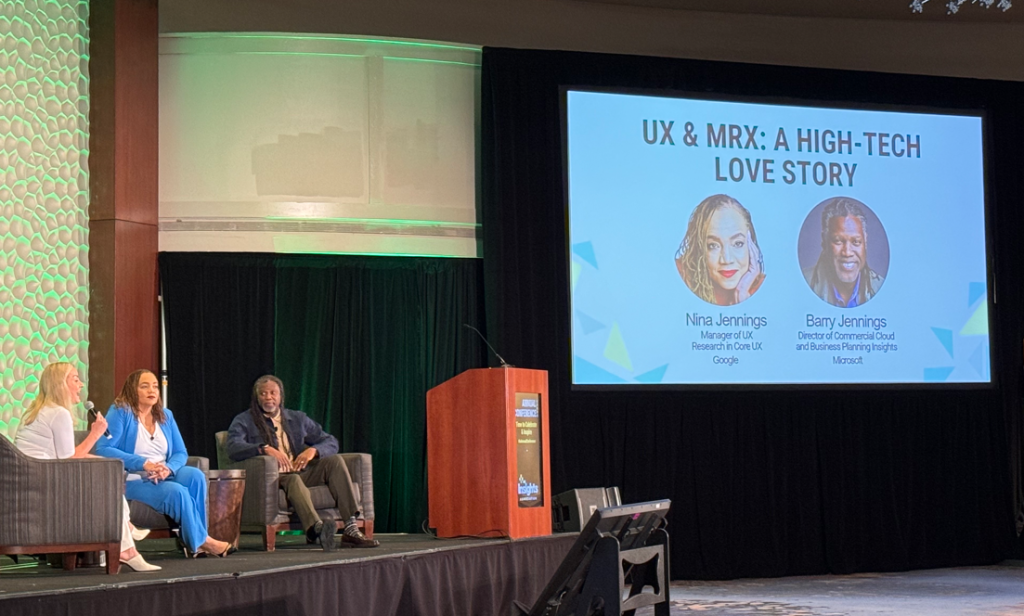
“Presenting with my wife at the Insights Association in 2024 was fun and funny…but not sure we should ever do that again because I think we had more fun than we should have had. Plus when a UX Researcher and a Market Researcher share a stage, one of them can get a bit competitive but I’m not going to say who…”
For anyone considering this path, why choose a career in market research, data, and insights?
A few months ago, I was at the Insights Association CEO Summit, and the CEO of Morning Consult said something that really stuck with me: “At no point have people ever been not interested in knowing what other people think.” That’s it, really.
What I love about this field is that we get to leverage psychology, sociology, economics, quantitative and qualitative research, syndicated data, and customer signals to build narratives about what people think and how they might act. It’s a career that answers hard questions, drives real business decisions, and gives you a chance to shape a product or service before it goes down the wrong path, or helps a great one become even more enduring. That’s pretty cool.
Careers rarely go exactly to plan, can you share a moment that didn’t, but taught you something important?
When I made a mistake or something went wrong, my father, a 30-year military man, always told me, “You have to expect a few losses in a big operation.” It took me a long time to understand what he meant.
I was once responsible for an $80,000 mistake. But that mistake wound up becoming a new way of understanding a nascent market, one that helped Microsoft grow in the cloud space. My team was tasked with understanding why an enterprise software product was slowing down. Long story short, we found a better way to measure how one of our newer businesses was growing, which helped us shift from a product-oriented model to a services business and opened up entirely new growth paths.
It taught me the power of real investment. It taught me to trust my team and to learn from people who are way smarter than I am. And it taught me that sometimes you have to look at both the problem and the data differently to find the right answer. Sometimes that answer isn’t even what you were originally solving for.
For those just starting out, what are two things junior researchers should really focus on?
Learn to deliver a story with data, insight, and a clear point of view, and then sell it with conviction. Great research reports get eaten alive every day by someone who’s better at distilling a few key points in a way that resonates with stakeholders. The goal isn’t just to produce the insight. It’s to make someone care enough to bring you into the room where the real decisions get made.
What about the industry more broadly, any advice for the sector right now?
Two things. First, embrace the AI tools that make sense for how you work, the ones that genuinely help you move faster, work smarter, and deliver better output at the same time. Second, and just as important, lean into the secret sauce that great researchers have always had. The ability to truly understand people, pull together disparate data sources, and deliver a narrative that actually resonates is a skill that doesn’t get automated. We have to bridge our researcher and strategist instincts with the new tools available to us. That’s how we thrive.
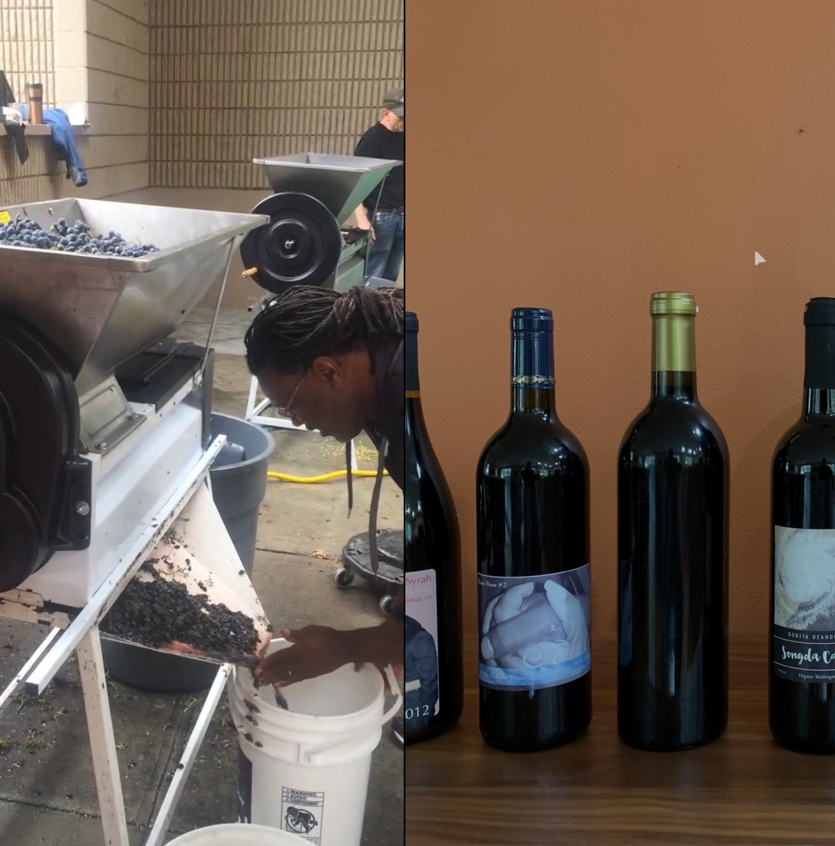
“I actually make a fairly good wine. We have about 7 vintages over the years, and are about to start on number 8.“
Finally, is there anyone who’s had a meaningful impact on your career that you’d like to acknowledge?
Andy Pyle and Allison Dew from my days at Dell Technologies. Andy taught me how to create insights with real business relevance, how all the business fundamentals matter to the people who give us budget and make the business work. Being able to contextualize an insight in terms of profit, growth, repurchase, or customer retention, that was a game changer.
Allison taught me how to be more sensitive to internal politics if any of the “market research stuff” is ever going to be used. She showed me how to identify where the power was, who the decision-maker was, and often, more importantly, how to find and influence the person that decision-maker actually leans on.
Both were instrumental in teaching me that research I loved doesn’t really matter much unless you can inform and influence someone who can compel others to act on it. And I was lucky enough to learn that early enough in my career for it to matter.