Failure as fuel
How unexpected challenges unlocked new skills and directions. What the 2025 Global 30 Under 30 reveal about turning setbacks into turning points
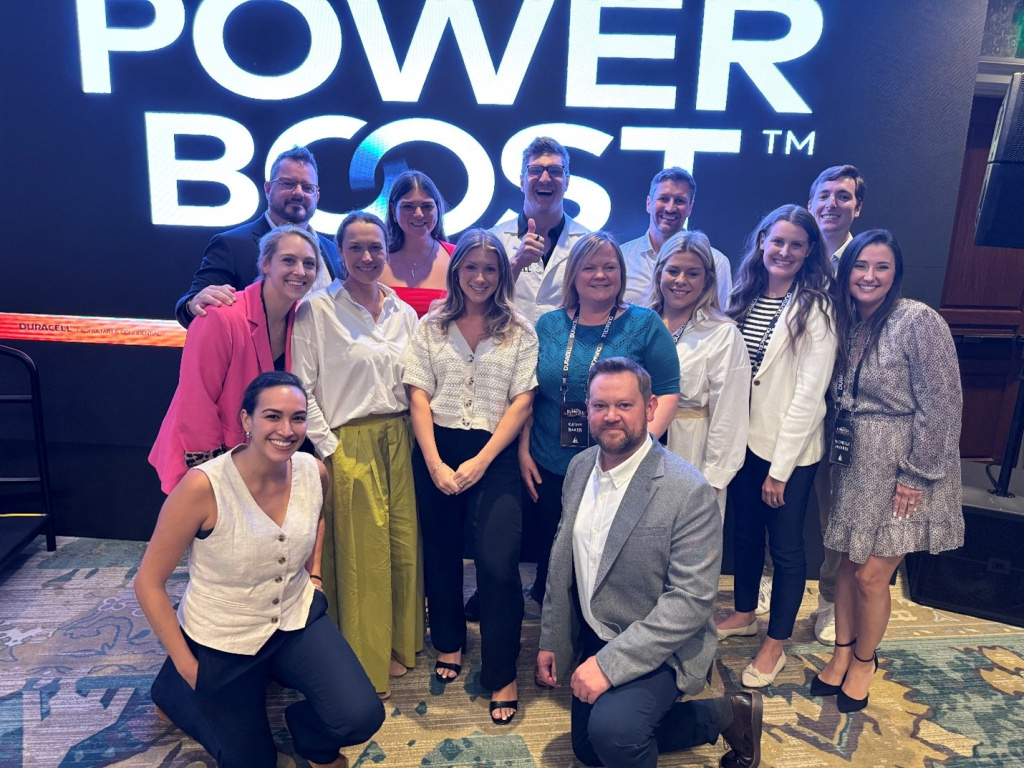
Across the stories of the 2025 Global 30 Under 30 cohort, one insight stands out clearly, many of their most significant career developments did not come from success, they came from moments when things went wrong. A missed opportunity, a rejected promotion, a difficult project or a sudden change in direction often forced them to rethink, recalibrate and ultimately redirect their careers toward paths that suited them even better. These challenges, while difficult at the time, became catalysts for discovering new strengths, building new skills and finding more meaningful work.
When plans fall apart, new paths emerge
Many honourees share experiences where a long anticipated plan simply did not work. A project failed, an internal opportunity disappeared or a role they expected to step into was given to someone else. These disappointments felt heavy in the moment, but they later realised that these closed doors pushed them to explore new areas. Several discovered new specialisms, new industries or new roles that aligned more closely with their passions and strengths. What first felt like failure often became a redirection toward something better.
How discomfort uncovers hidden strengths
A common theme across the cohort is that challenging situations revealed capabilities they did not know they had. When faced with difficult clients, unfamiliar methodologies or high pressure environments, they were forced to stretch, adapt and innovate. Through this, they discovered new resilience, new confidence and new analytical or interpersonal skills. Discomfort, rather than derailing them, accelerated their growth. They learned that feeling unprepared can be a sign that they are on the edge of developing something important.

Unexpected turns that sparked new passions
Some honourees describe career moments that seemed negative but ultimately uncovered interests they had not previously considered. A role change prompted them to explore behavioural science. A difficult team dynamic encouraged them to pursue leadership. A failed project led them toward UX research, cultural insight or analytics. These turning points reshaped their trajectory. They show that career paths are rarely linear, and sometimes the unexpected turn is the one that reveals a long term passion.
Resilience built through reframing
Many young leaders in the cohort reflect on how they learned to reframe setbacks as information, not judgment. Instead of seeing failure as a sign they were not capable, they learned to ask what the moment was teaching them. This shift in mindset strengthened their resilience. They became more reflective, more strategic and more proactive in how they shaped their careers. They discovered that failure is not a dead end, it is a feedback loop.

Lessons for those at the start of their careers
The stories shared by the honourees offer clear guidance. Do not assume that a setback means you are on the wrong path. Be open to the idea that a closed opportunity may be making space for a better one. Pay attention to what discomfort is teaching you. Stay curious about new directions and be willing to explore beyond your original plan. The industry rewards those who adapt, who listen to signals and who turn difficulty into discovery.
Closing, setbacks as stepping stones
The 2025 Global 30 Under 30 show that failure can be one of the most productive forces in a career. Their toughest moments often unlocked their greatest breakthroughs. They learned to view challenges as openings, not endings, and to trust that unexpected turns can lead to meaningful growth. For anyone beginning their career, their message is reassuring and motivating, failure is not the opposite of progress, it is often the engine of it.