Building relationships and influence
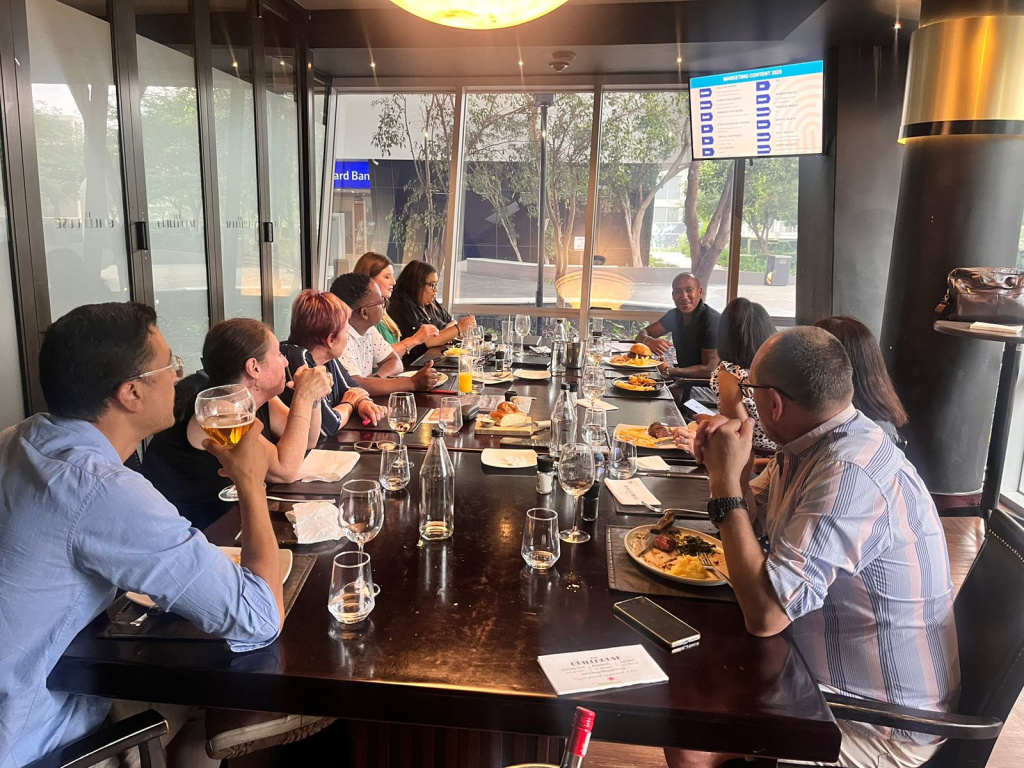
The soft skills that turn insight into impact
Across the 2025 Global 30 Under 30 cohort, two soft skills consistently emerge as essential for junior researchers who want to progress, relationship building and influence. While technical capability forms the foundation of good research, it is these interpersonal strengths that determine whether insight shapes decisions, creates trust and opens doors. Strong relationships give researchers a seat at the table, and influence enables them to make their work matter.

Relationships as the engine of opportunity
Honourees describe relationships as central to their growth. Early in their careers, they found that building trust with teammates, clients and cross functional partners created opportunities to learn, take on responsibility and contribute at a higher level. People naturally support and elevate those they trust. By being reliable, open and collaborative, junior researchers can become the person others want to work with and recommend.
The impact of listening and empathy
Several honourees highlight that good relationships are built through listening, understanding and showing genuine care for others. Junior researchers who take time to understand client needs, internal pressures and team dynamics become more effective partners. Empathy helps researchers anticipate challenges, tailor communication and deliver insight in a way that resonates with different audiences. These interpersonal nuances often differentiate a good researcher from a great one.

Influence as the bridge between insight and action
Insight only has value when it influences decisions. The cohort emphasise that junior researchers should focus early on learning how to present ideas persuasively and shape conversations with confidence. Influence is not about authority, it is about clarity, credibility and connection. Junior researchers who speak clearly, structure narratives thoughtfully and understand the motivations of stakeholders are able to move their work from information into action.
Trust built through consistency
Honourees repeatedly stress that influence is grounded in trust. Delivering high quality work consistently, communicating openly and following through on commitments signal professionalism and reliability. When people trust your work and your approach, they are more willing to listen and act on your recommendations. Trust does not happen quickly, but it builds steadily through small, everyday behaviours.

Navigating different personalities and expectations
Several cohort members share that learning to adapt communication styles to different personalities was a turning point. Some stakeholders prefer detail, others prefer headlines. Some need reassurance, others want challenge. Influence comes from understanding these differences and flexing communication accordingly. Junior researchers who can read a room and adjust their delivery become more impactful much earlier in their careers.
Lessons for junior researchers
Invest time in relationships. Be curious about the people you work with. Show empathy. Offer support. Build trust. At the same time, practice influence. Share your point of view. Structure your ideas clearly. Pay attention to what matters most to stakeholders. Influence is not about being the loudest voice, it is about being the most meaningful voice.

Closing, the human side of research that drives success
The 2025 Global 30 Under 30 show that technical skill sets the stage, but relationships and influence determine the impact. Insight professionals thrive when they connect with others, understand their needs and communicate with clarity. For junior researchers, learning these skills early creates a career where your work is not only heard, but acted upon.