30Under30 Honouree: Hannah Kaplan
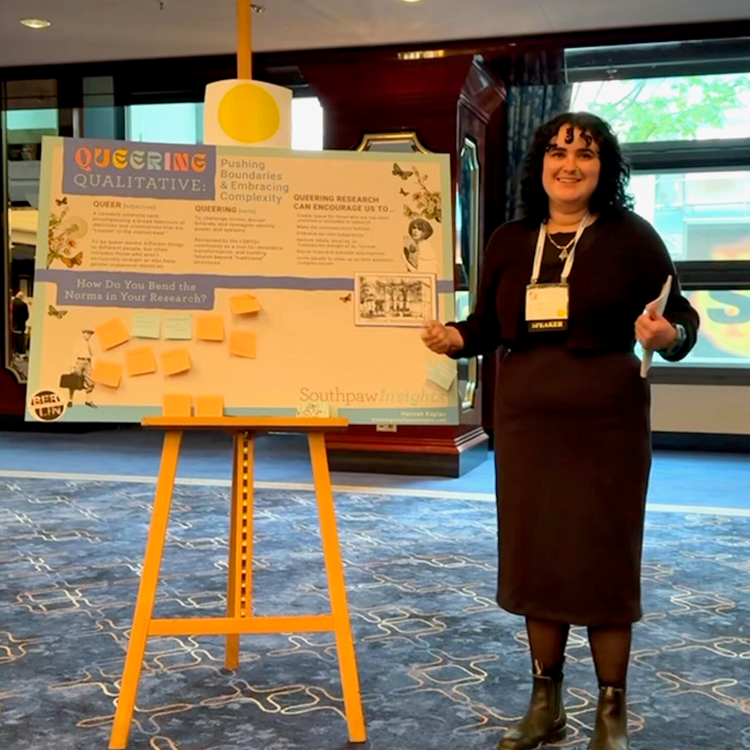
Great to hear from from 30 Under 30 Honouree, Hannah Kaplan, an internationally recognized speaker, author, and LGBTQ+ thought leader in the insights industry. With over a decade of public health and reproductive justice experience, their work at Southpaw Insights centers empathy-driven, equity-based research and storytelling for communities often left out of traditional research spaces. Hannah is also a recipient of the 2026 Naomi Henderson Legacy Award and 2024 Market Research Institute International’s Diversity Award.
So, how did you get into the industry, and take us through how you got to this point?
Throughout my life, I was often told I was “playing devil’s advocate,” typically paired with an eye roll from someone who just wanted the conversation to move on. Years later, what once frustrated others has now become one of my greatest strengths: I question assumptions, welcome complexity, and resist taking what we think we know for granted. I’m always asking: why do we know that- and who taught us to believe it? That instinct is what ultimately led me into research methodology. I earned my Master’s in Public Health from UMass Amherst, where I learned the principles of equitable research on the ground—listening deeply, meeting people where they are, and designing research in partnership with communities, rather than for them.
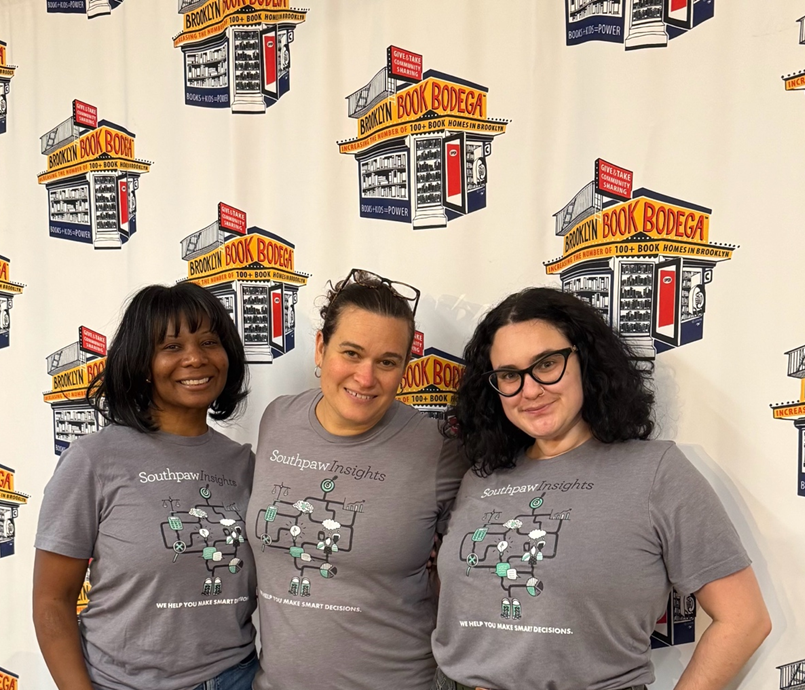
In 2021, I joined Southpaw Insights, a boutique woman- and disability-owned, full-service research firm specializing in unlocking the value of insights from underrepresented populations. Today, I manage qualitative and quantitative projects throughout the entire lifecycle. I am proud to merge traditional market research with human-centered principles. I draw on my Master’s training in community centered public health and reproductive/sexual justice to infuse values of equity and social responsibility into every project I touch. My goal is to create spaces where people feel heard, respected, and valued, and to creatively tell their stories on platforms that drive real decisions and outcomes.
Why should anyone consider a career in market research, data and insights?
This industry is a unique space where curiosity, empathy, and critical thinking come together to spark change and innovation for our clients. It’s a career where asking “why” is not only encouraged, but essential. When done well, our work gives people a seat at the table—especially those who are often talked about but rarely listened to. One thing I love about my work is the range and constant learning it offers. My work spans industries in ways that drive my appetite for learning. One day I’m conducting shop-alongs to help a retailer design more immersive in-store experiences; the next, I’m designing a survey with college students about access to sexual healthcare on campus. I might spend one week testing a media campaign to support a healthcare organization’s brand realignment, and another measuring market share penetration for a beverage company’s new product rollout. That ability to apply the same core craft, listening, analysis, and storytelling—across vastly different clients and challenges is incredibly powerful. Across all of it, the throughline is the same: translating human experience into insights that inform.
Do you have any advice for our sector?
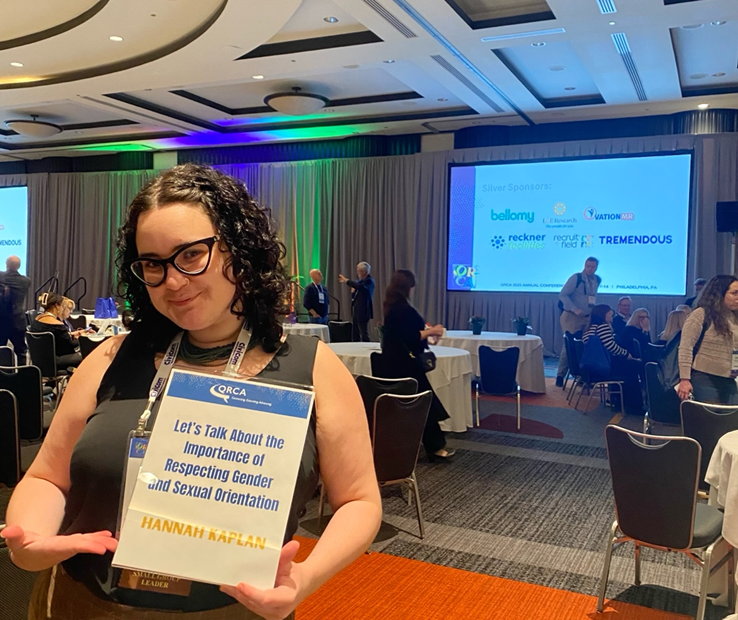
As the insights industry continues to evolve, I think there is an opportunity to be more intentional about how we define and practice inclusion. Designing truly human-centered research requires moving beyond surface-level representation and toward a deeper understanding of how history, identity, and lived experience shape the way people engage with the world. While I’m still early in my career and don’t consider myself an expert by any means, participating in and speaking at industry conferences has given me a broad view of the questions and challenges many researchers are grappling with. Across these spaces, I’ve seen a consistent appetite to do more equitable work, alongside a desire for shared language and spaces to ask difficult questions.
Qualitative research, in particular, can benefit from listening to communities that have long navigated marginalization, adaptation, and resilience. Allowing room for nuance, discomfort, and complexity leads to insights that are deeper, more ethical, and more actionable. My advice to the sector is to continue to prioritize research with humility and curiosity. When we treat participants (and each other) as experts of their own lived experience, our work moves beyond surface-level inclusion to embrace the full, often messy reality of human experience.
And do you have anyone who has helped your career so far that you’d like to acknowledge and say thanks or give a shout out to?
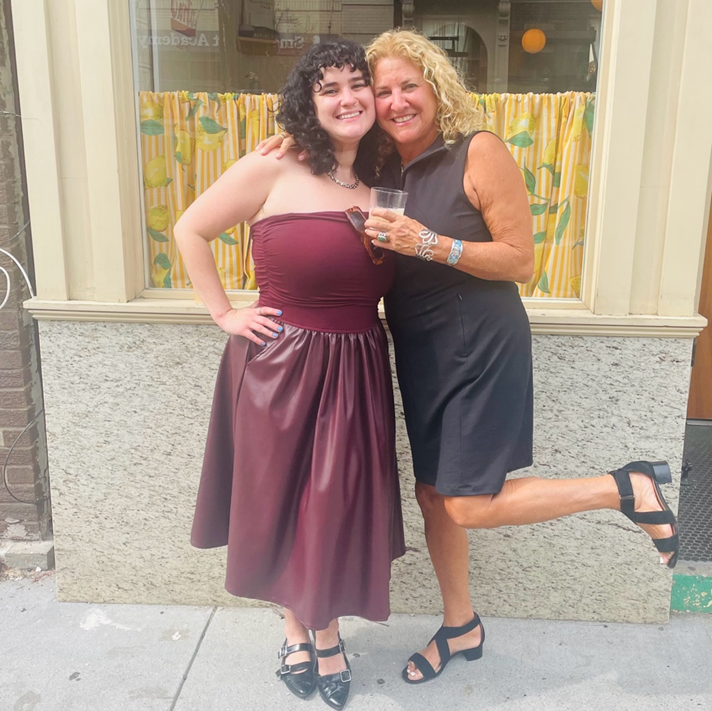
I owe so much of my success to the powerful women who surround me and generously share their time, wisdom, and care with me. A special shout-out to my team, Jessica and Quiana at Southpaw, the QRCA and Insights Association communities, and to my amazing mom (pictured in the black dress!).